LAWMAKER SEEKS NATIONAL EMERGENCY PREPAREDNESS TRAINING FOR YOUNG FILIPINOS
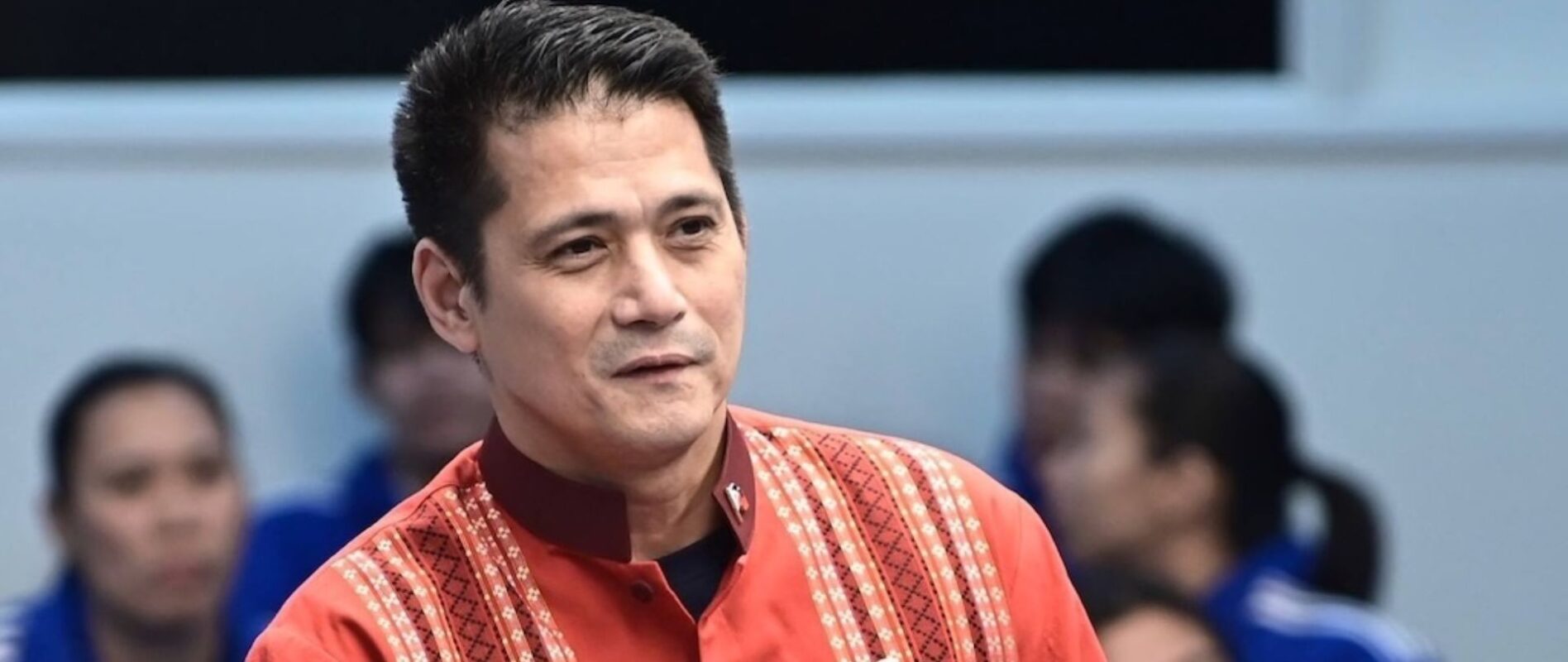
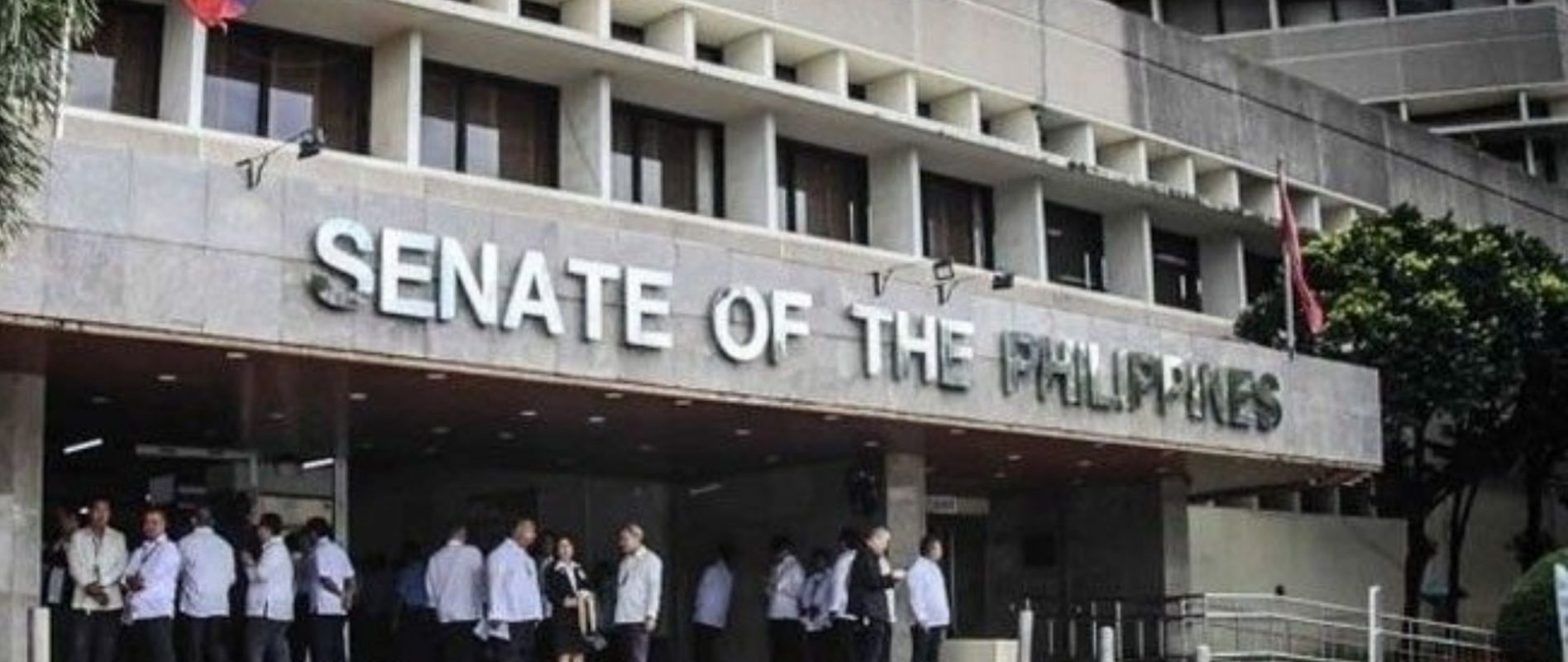
SENATOR Robinhood Padilla has filed a measure seeking to institutionalize a National Civil Emergency Preparedness and Resilience Training Program for Filipinos aged 18 to 25 to strengthen the country’s disaster readiness through community-based training and volunteerism.
Senate Bill No. 1660 aims to equip young Filipinos with essential life-saving skills, including emergency response and rescue operations, first aid and basic life support, evacuation procedures, crisis communication during power and internet outages, as well as household and community food security.
The proposed measure comes amid the country’s continued vulnerability to earthquakes, typhoons, floods, fires, and other emergencies, highlighting the need for stronger disaster preparedness and greater civilian participation in emergency response.
“Hindi natin alam kung kailan darating ang lindol, bagyo, sunog o iba pang sakuna. Pero ang pwede nating paghandaan ay kung paano tayo kikilos kapag dumating ito,” Padilla said.
The bill also seeks to create the Civil Emergency Service Corps, a pool of trained volunteers who may be mobilized by local government units (LGUs) to assist during disasters and other emergencies.
Padilla said the proposal recognizes that neighbors, barangay volunteers, and ordinary citizens are often the first to respond during calamities, making community preparedness a vital part of disaster resilience.
“Sa bawat sakuna, napatunayan na natin na ang unang tumutulong ay kadalasan kapitbahay, barangay volunteer, o ordinaryong mamamayan. Ang layunin ng panukalang ito ay gawing handa ang bawat Pilipino bago pa dumating ang kalamidad,” he said.
The senator clarified that the proposed program is not a form of mandatory military service but a civilian initiative focused on saving lives, assisting communities, and improving emergency response capabilities.
“Hindi ito militarisasyon ng kabataan. Ito ay pagsasanay para sa pagliligtas ng buhay, pagtulong sa komunidad, at pagtitiyak na may kakayahan tayong tumugon sa oras ng pangangailangan,” Padilla explained.
Under the measure, the Office of Civil Defense (OCD), LGUs, and other concerned government agencies will jointly implement the training program in line with the country’s National Disaster Risk Reduction and Management framework.
Graduates of the program will be required to render one day of community emergency service every month, taking part in disaster drills, first aid activities, emergency logistics, and food security initiatives in their respective communities.
Padilla stressed that the Philippines, being one of the world’s most disaster-prone countries, cannot rely solely on professional first responders during major emergencies.
“Kung may natutunan tayo sa mga lindol, bagyo, pandemya at iba pang krisis sa mga nakaraang taon, iyon ay ang katotohanang hindi sapat ang paghihintay ng tulong. Kailangang ang bawat Pilipino ay maging bahagi ng solusyon,” he said.
He added that disaster preparedness should not rest solely on the government but must become a shared responsibility and an important part of the country’s culture of resilience.`