
LAWMAKER QUESTIONS SUC FUNDING PRIORITIES, CITES MISALLOCATION AND CORRUPTION
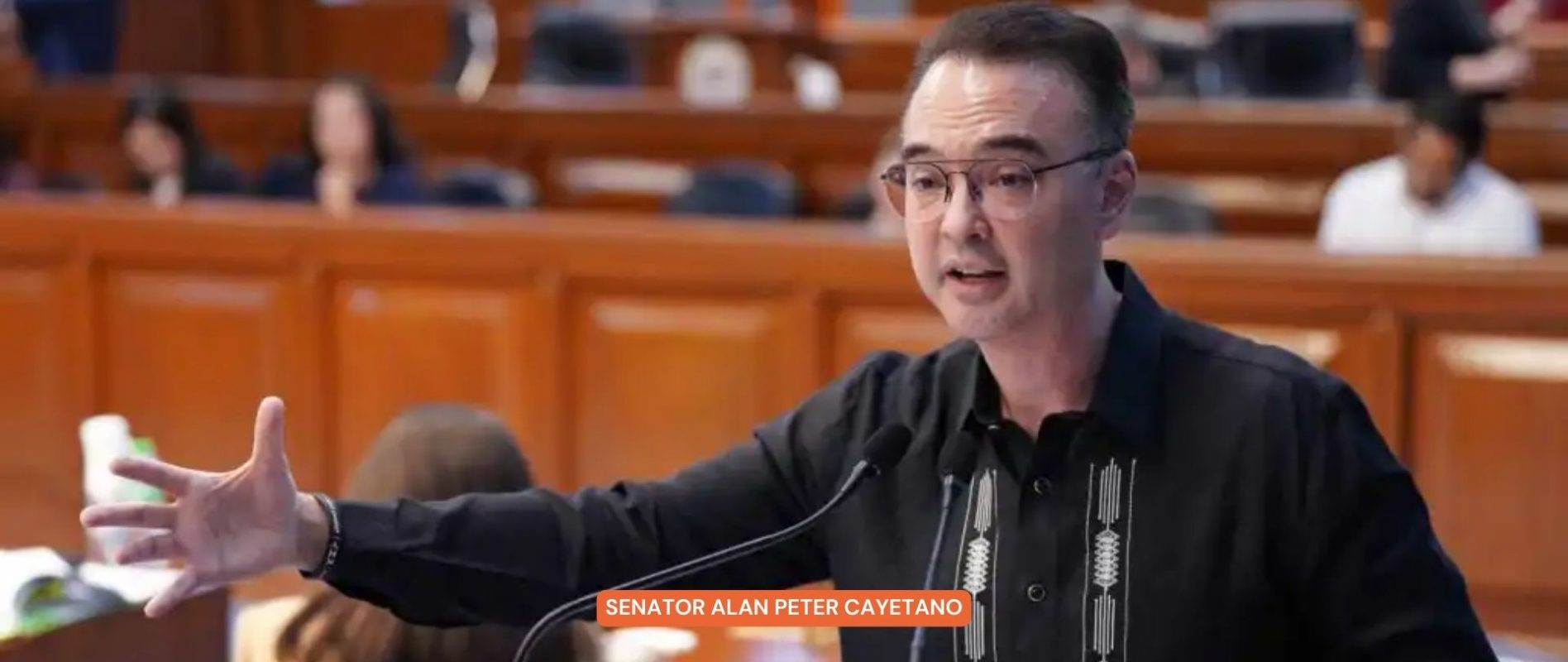
SENATE Minority Leader Alan Peter Cayetano on Thursday said the persistent challenges faced by state universities and colleges (SUCs) are rooted not in a lack of funding, but in how government resources are prioritized and spent.
Speaking at a miting de avance and dialogue organized by the student government of Cebu Technological University, Cayetano responded to concerns over infrastructure gaps, including limited classrooms and inadequate digital systems.
He noted that the national budget—pegged at P6.8 trillion for 2026—is substantial, but said inefficiencies arise from poor allocation and misuse of funds.
“P6.8 trillion is not a small budget. The question is, are we using it wisely?” he said.
Cayetano added that public discourse often gravitates toward cutting budgets when controversies surface, such as those involving flood control projects, instead of addressing deeper systemic issues.
“The problem is not the funds—the problem is corruption,” he stressed.
He cited the growing budget of the Department of Public Works and Highways as an example, noting its increase from around P50 billion during his early years in Congress to about P1.1 trillion in recent years.
The senator also highlighted the importance of public awareness—particularly among the youth—in promoting government accountability, saying that a more informed citizenry can help ensure responsible use of public funds.
Drawing from his experience in Taguig, Cayetano said prioritizing education, especially scholarship programs, contributed to improved fiscal management and expanded social services in the city.
He emphasized that meaningful progress in education and other sectors depends not only on increasing funding, but also on setting the right priorities, curbing corruption, and empowering citizens.
“How do we change? One, the way we changed in Taguig—we informed everyone. Tamang priorities, pagtutulungan ng mga tao, tanggalin ang corruption, but empowered pa rin ‘yung mga tao,” he said.