EDCOM 2 WELCOMES NEW LAW STRENGTHENING FREE TERTIARY EDUCATION

THE SECOND Congressional Commission on Education (EDCOM 2) welcomed the enactment of Republic Act No. 12325, saying the new law strengthens the Universal Access to Quality Tertiary Education Act (UAQTEA) by directing financial assistance to poor and disadvantaged students while expanding support for learners in private higher education and technical-vocational institutions.
President Ferdinand Marcos Jr. formally signed the measure during a ceremonial signing in Malacañang on Friday, marking what EDCOM 2 described as a major step toward making free tertiary education more equitable and inclusive.
Marcos said the amendments will ensure that government assistance reaches students who need it most, particularly those from poor families and qualified beneficiaries of the Pantawid Pamilyang Pilipino Program (4Ps).
He also directed the Commission on Higher Education (CHED), Technical Education and Skills Development Authority (TESDA), Unified Student Financial Assistance System for Tertiary Education (UniFAST), and other concerned agencies to immediately draft the implementing rules and regulations for the law.
One of the law’s key reforms is a new prioritization system for the Tertiary Education Subsidy (TES), giving first priority to learners from 4Ps households, with remaining slots allocated based on household per capita income.
The reform addresses EDCOM 2 findings showing that the share of TES grants awarded to the poorest households declined from 74.24 percent in 2018 to 30.74 percent in 2022.
The amended law also introduces variable tuition subsidies based on undergraduate programs and provides additional incentives for students taking government-identified priority courses needed by the country. EDCOM 2 earlier noted that the previous fixed subsidy limited students’ access to more specialized degree programs.
In addition, the law expands TES coverage to include internship and Related Learning Experience (RLE) expenses for nursing and allied health students, ensuring that mandatory clinical training costs are covered by government assistance.
The law also creates a Private Education Assistance program to help disadvantaged students enroll in priority programs offered by CHED-recognized private colleges and TESDA-registered technical-vocational institutions.
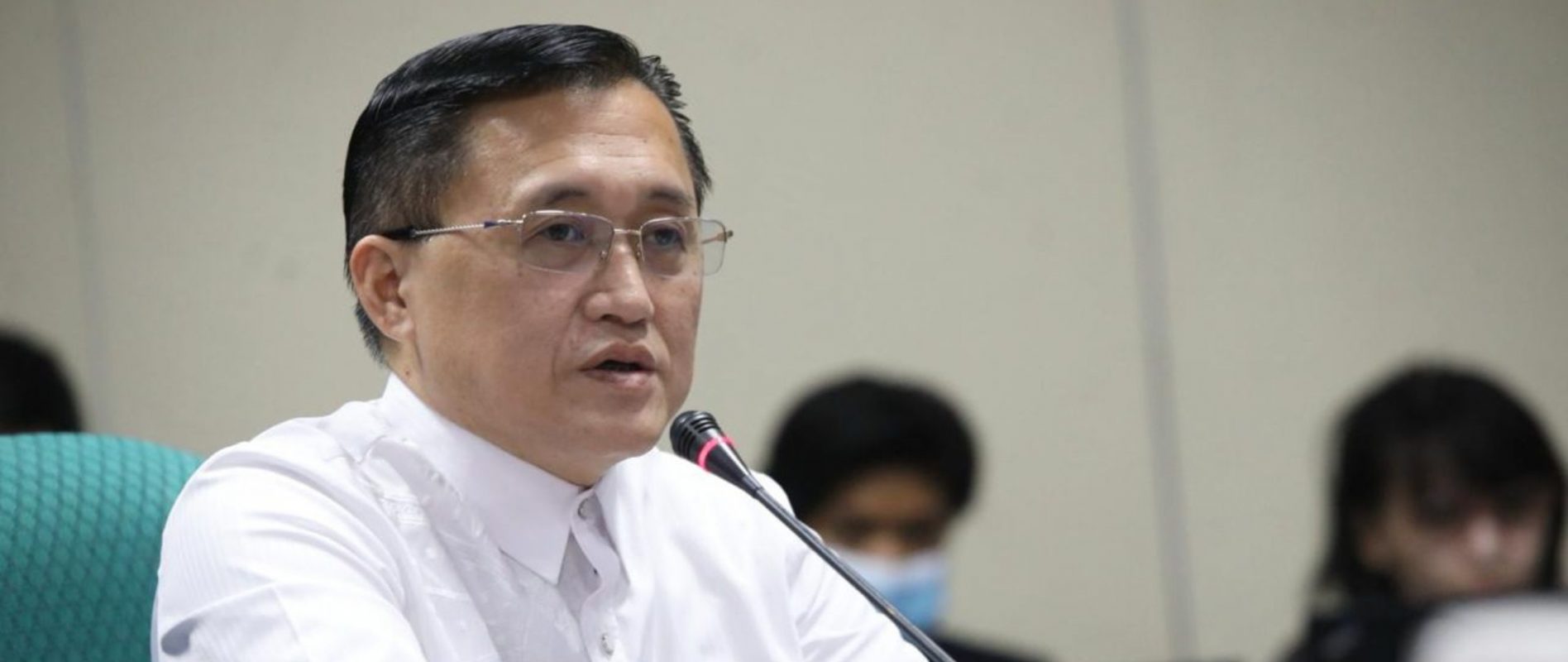
EDCOM 2 Co-Chairperson Senator Joel Villanueva said the measure brings free tertiary education closer to its original goal of being not only free but also fair by prioritizing the country’s poorest learners.
Representative Jude Acidre, also an EDCOM 2 co-chairperson, said the law’s targeting reforms, equity and inclusion measures, and grievance mechanism strengthen accountability and make the program more sustainable.
Meanwhile, EDCOM 2 Executive Director Dr. Karol Mark Yee said the amendments address long-standing gaps in tertiary education financing by ensuring that subsidies support students through the completion of their degree or technical-vocational programs.