HOUSE OKS BILL ALLOWING INDIGENT GRADUATES TO JOIN GRADUATION RITES DESPITE UNPAID FEES
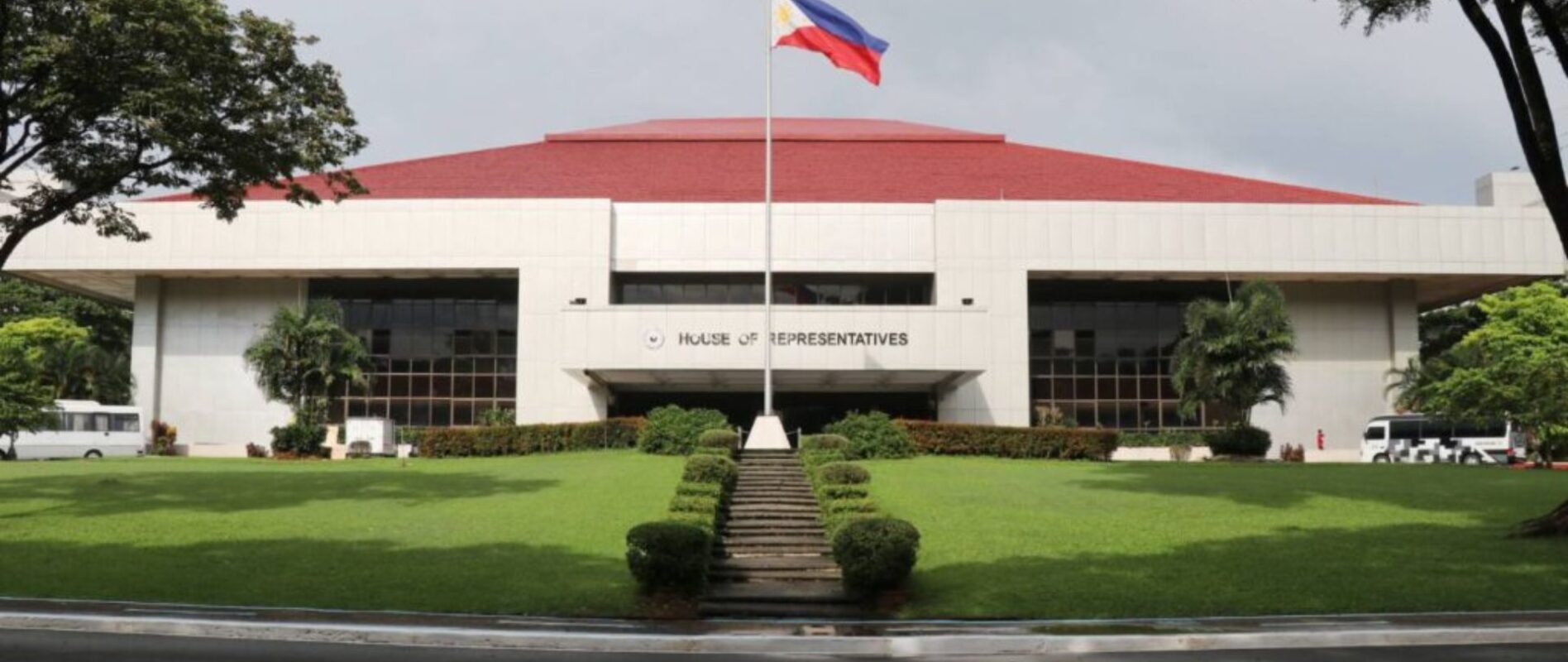
THE HOUSE of Representatives has approved on second reading a measure seeking to prevent financially disadvantaged graduating students from being barred from commencement ceremonies because of unpaid school fees and other outstanding obligations.
House Bill No. 11579, or the proposed Kapakanan ng Magsisipagtapos Act, seeks to ensure that students who have completed all academic requirements can celebrate their achievements with their families and classmates, regardless of their financial circumstances.
House Committee on Higher and Technical Education Chairperson and TINGOG Party-list Representative Jude Acidre said graduation ceremonies recognize not only students’ hard work and perseverance but also the sacrifices their families have made to support their education.
He noted that unexpected circumstances, including job losses, medical emergencies, and natural disasters, may prevent families from settling outstanding school obligations before graduation.
Acidre stressed that financial hardship should not deprive deserving students of the opportunity to celebrate a significant milestone in their lives.
Under the proposed measure, public and private higher education institutions, including state universities and colleges (SUCs) and local universities and colleges (LUCs), would be prohibited from preventing qualified disadvantaged students from participating in graduation ceremonies solely because of unpaid tuition and miscellaneous fees or liabilities involving lost or damaged school property.
The prohibition would also cover public and private technical-vocational institutions offering programs lasting more than one year.
To qualify, students must have completed all academic requirements and obtained certification of their disadvantaged status from the appropriate local social welfare and development officer or the regional office of the Department of Social Welfare and Development (DSWD).
However, Acidre clarified that the proposed measure would not absolve students of their outstanding financial obligations.
Educational institutions would retain the authority to require promissory notes, withhold academic records and credentials, including actual diplomas, until outstanding obligations are settled, and pursue legal remedies to collect unpaid fees.
Schools that voluntarily allow disadvantaged students to participate in graduation ceremonies and release their academic records without requiring certification or promissory notes would also be allowed to continue doing so under their respective policies.
The measure also provides for administrative sanctions against educational institutions found violating its provisions. These would be imposed by the Commission on Higher Education (CHED) or the Technical Education and Skills Development Authority (TESDA), depending on the institution concerned.
Acidre urged his colleagues to support the measure, emphasizing that students who have fulfilled their academic requirements deserve the opportunity to stand alongside their classmates and celebrate their achievements with their loved ones.