DEPED TIGHTENS SHS WORK IMMERSION RULES, BOOSTS LEARNER SAFETY
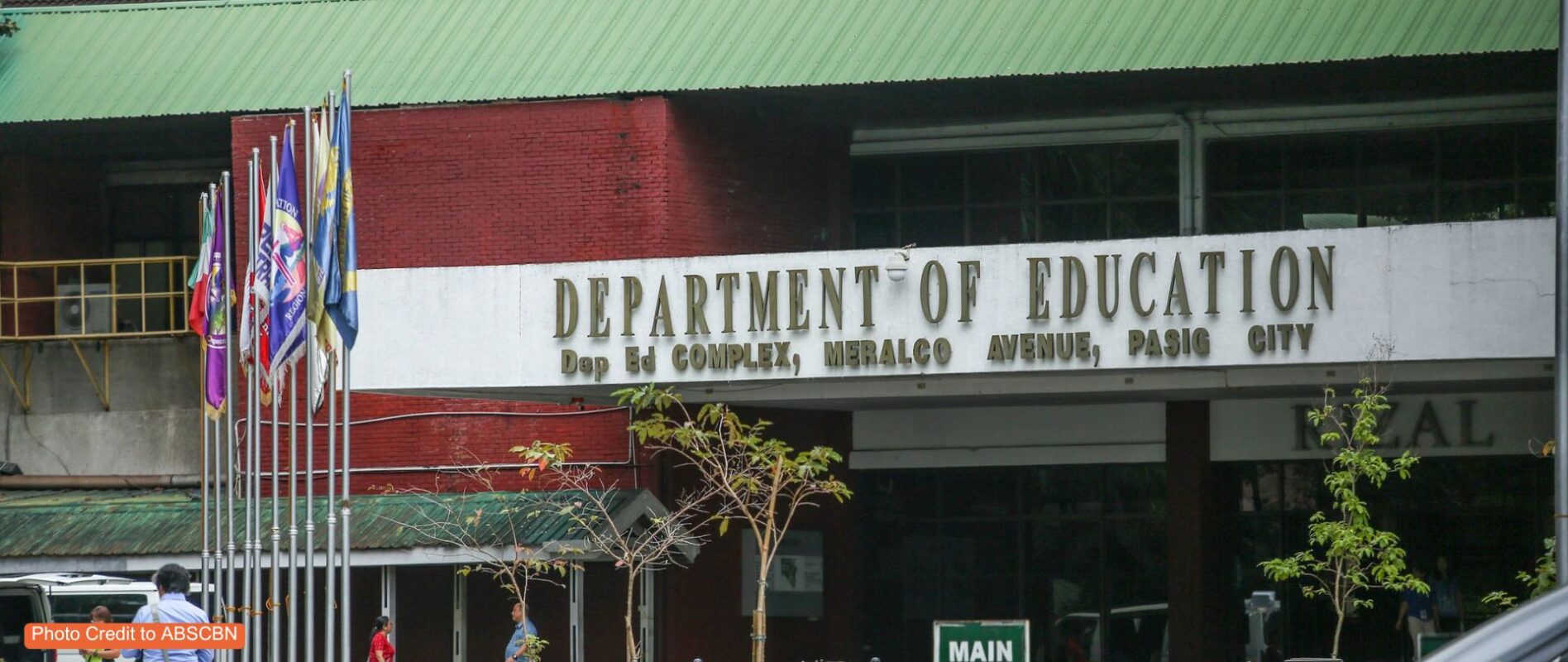
THE DEPARTMENT of Education (DepEd) has introduced new guidelines strengthening work immersion, field exposure, and arts apprenticeship for senior high school (SHS) students, expanding opportunities for hands-on learning while putting greater safeguards in place to protect learners.
Under DepEd Order No. 023, series of 2026, the guidelines form part of the Strengthened Senior High School Curriculum and establish requirements for practical training aligned with students’ academic tracks and career pathways.
Education Secretary Sonny Angara said work immersion plays a crucial role in preparing students for employment after graduation.
“Ang work immersion ang makakapaghanda sa ating mga mag-aaral para mas maging job-ready sila, kaya mas malaki ang chance na agad makahanap ng trabaho ang graduates ng Grade 12,” Angara said.
Under the new policy, work immersion is mandatory for learners under the Technical-Professional (TechPro) Track. Schools may offer either a 320-hour program over one term or a 540- to 640-hour program over two terms, depending on their readiness, industry capacity, and students’ needs.
For Academic Track learners, work immersion remains optional. Eligible students may complete a 320-hour program after taking the required prerequisite electives.
They may also choose an 80-hour Field Exposure elective, which involves workplace visits and guided observations. Meanwhile, students interested in creative industries may pursue Arts Apprenticeship in areas such as visual arts, media arts, performing arts, literary arts, and traditional cultural expressions.
The guidelines also strengthen measures to ensure that workplace training is safe, relevant, and beneficial to students.
Schools are required to screen partner institutions, establish formal agreements, develop training plans, and orient students and parents on workplace safety and learner rights.
The policy explicitly prohibits assigning students tasks unrelated to their training objectives or using them as unpaid labor. Work immersion activities are also limited to eight hours per day and five days per week.
To monitor students’ progress and well-being, schools must regularly check on learners and conduct weekly “Kumustahan” sessions throughout their immersion.
Angara said DepEd is also working with industry partners to secure workplace placements for students, noting that longer immersion periods could improve their employment prospects.
“May mga kausap na tayong partners sa industriya para sa mga guaranteed placement sa kanilang work immersion. Based on experience, the chances of employment are higher when they undergo a longer immersion period with the company or organization,” he said.
DepEd is likewise encouraging partnerships with private companies, local government units, national government agencies, and other public institutions to expand workplace training opportunities and give students greater exposure to actual work environments.