PUP LEADS LAUNCH OF NATIONAL NETWORK TO TRANSFORM POLYTECHNIC EDUCATION
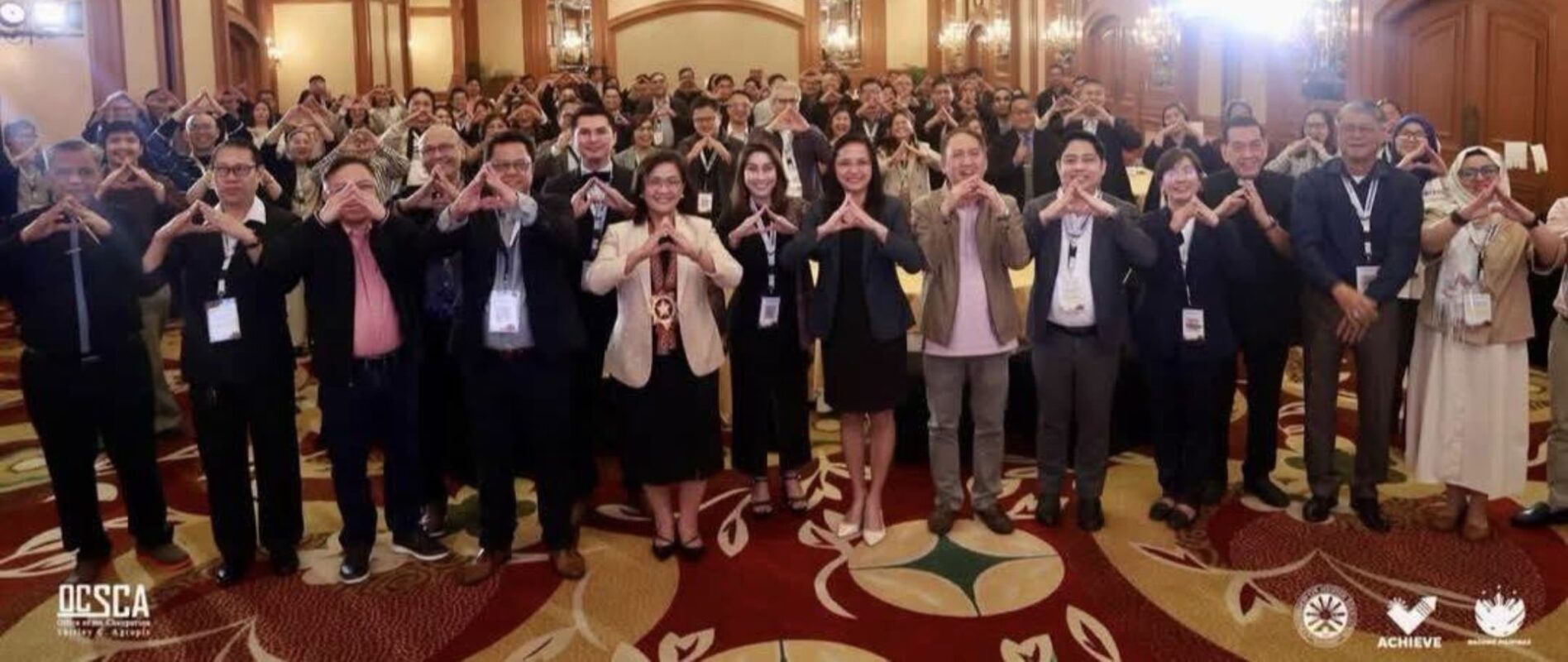
THE POLYTECHNIC University of the Philippines (PUP) has spearheaded the establishment of the Philippine Polytechnic Education Network (PhilPEN), bringing together academic leaders and higher education institutions to strengthen collaboration in instruction, applied research, community extension, and quality assurance.
The network was launched during the National Summit on Polytechnic Education, a three-day gathering held from October 14 to 16, 2026, at The Heritage Hotel Manila in Pasay City. The summit brought together representatives of polytechnic state universities, local colleges, and other higher education institutions to develop a unified framework for advancing polytechnic education in the country.
At the center of the initiative is the proposed Philippine Polytechnic Education Framework, which aims to harmonize curricula and quality standards, expand applied research and industry partnerships, and promote work-integrated learning to prepare graduates for evolving workforce demands.
PUP President Dr. Manuel Muhi led the participating institutions in advancing a shared national identity for polytechnic education and building a cohesive education ecosystem responsive to the country’s workforce requirements and development priorities.
“Let’s work together as one polytechnic. Let us build a consortium that will advance polytechnic education, that will contribute to national progress while responding to global challenges,” Muhi said.
With support from the Commission on Higher Education (CHED), the initiative also seeks to strengthen coordination among polytechnic institutions and improve the quality and impact of their programs in the Philippines and the wider Association of Southeast Asian Nations (ASEAN) region.
In her statement of purpose during the summit, Vice President for Research, Extension and Development and summit chairperson Dr. Anna Ruby Gapasin emphasized the need for institutions to move beyond individual plans and embrace coordinated action guided by a shared vision for polytechnic education.
“We gather not just to improve what we do but to redefine who we are. As polytechnic leaders, our purpose is clear: to build an education ecosystem where knowledge serves communities, research solves real problems, and our greatest measure of success is the public value we create,” Gapasin said.
The summit provided a platform for identifying common challenges and exploring best practices from ASEAN polytechnic networks, particularly in developing industry-responsive curricula, conducting cross-border applied research, strengthening inclusive quality-assurance frameworks, and promoting community-driven innovation.
Through PhilPEN, member institutions are expected to pursue curriculum innovation, establish applied research partnerships, and expand work-integrated learning models that connect academic instruction with industry requirements and community needs.
The network also aims to strengthen the capacity of polytechnic institutions to produce graduates equipped for changing workforce demands and regional labor mobility, while developing practical solutions to local, national, and regional development challenges.
The summit’s outcomes are expected to guide institutional strategic roadmaps, curriculum development, research and extension priorities, quality-improvement initiatives, and future regional collaborations among polytechnic higher education institutions.
Participating institutions included Adiong Memorial State College, Camarines Sur Polytechnics Colleges, Dalubhasaang Politekniko ng Lungsod ng Baliwag, Ilocos Sur Polytechnic State College, Laguna State Polytechnic University, Limay Polytechnic College, Marikina Polytechnic College, Navotas Polytechnic College, Pangasinan Polytechnic College, Polytechnic College of Botolan, Palompon Institute of Technology, and Eulogio Amang Rodriguez Institute of Science and Technology.
Representatives from the Technical Vocational Schools Association and the Technical Education and Skills Development Authority (TESDA) also joined the gathering, underscoring the importance of strengthening links between technical-vocational education, higher education, and workforce development.
With the establishment of PhilPEN, PUP and its partner institutions aim to create a coordinated national platform that advances polytechnic education through practical innovation, applied research, and community engagement, helping ensure that higher education contributes meaningfully to inclusive and sustainable development.