TARA, BASA! AND DEPED’S ARAL PROGRAM COMPLEMENT EACH OTHER — DSWD
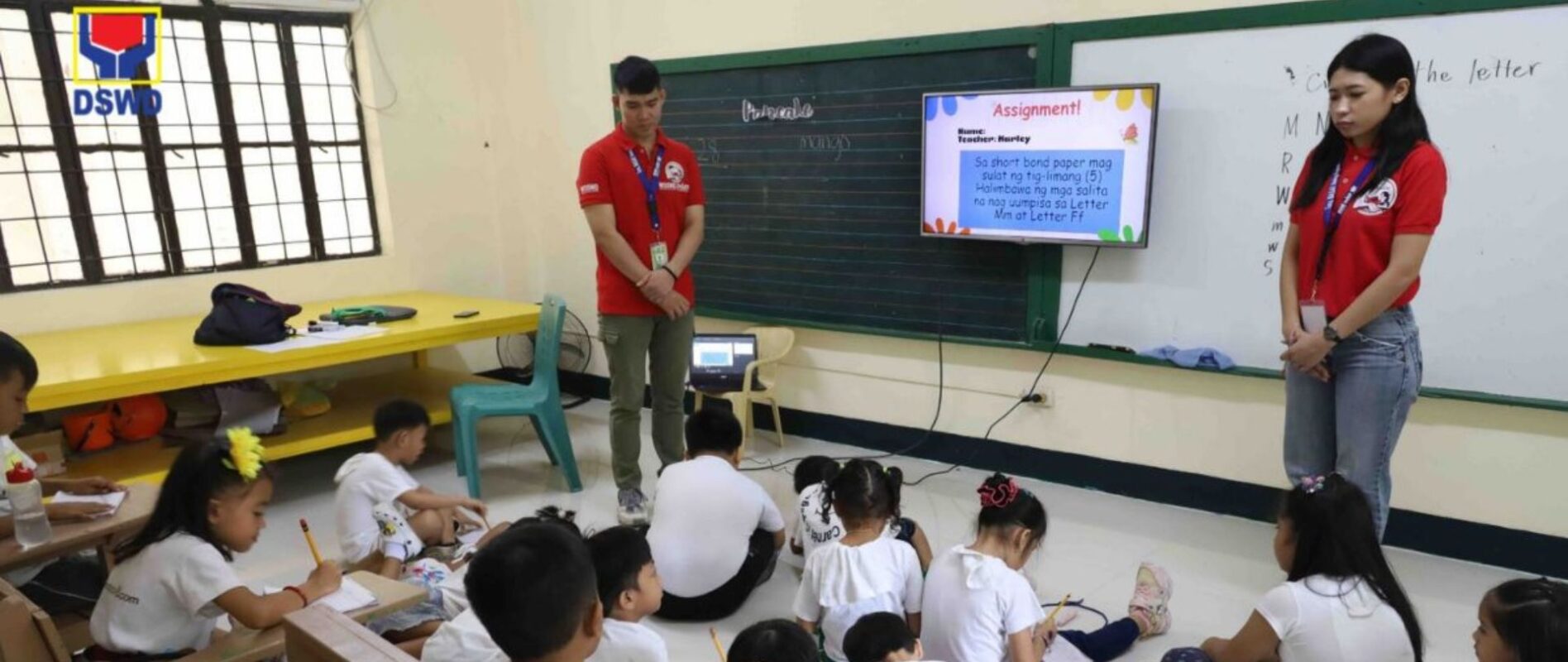
DEPARTMENT of Social Welfare and Development Secretary Rex Gatchalian defended the P900-million allocation for the Tara, Basa! program in the proposed 2027 national budget, emphasizing that it complements the Department of Education’s Academic Recovery and Accessible Learning (ARAL) program.
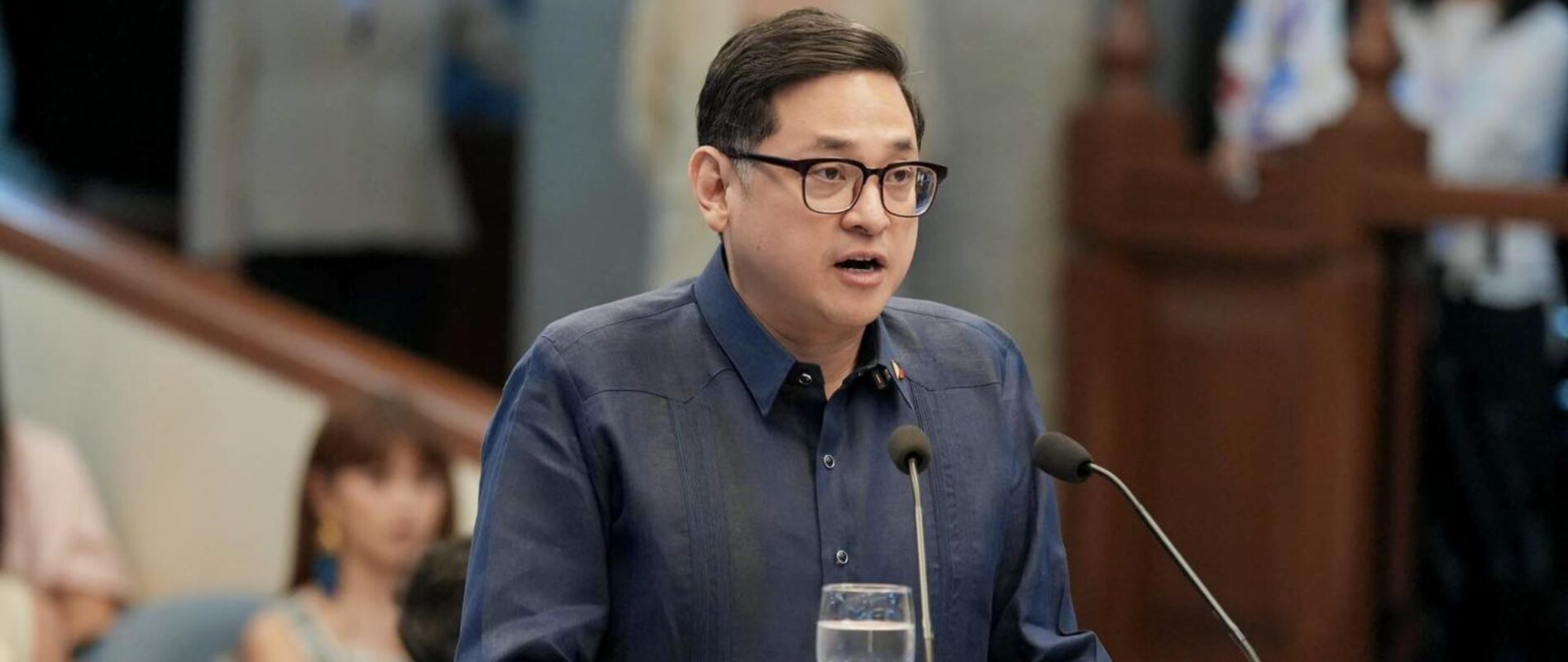
During a budget hearing, Senator Imee Marcos questioned the need for two programs with similar objectives, raising concerns about potential duplication in activities, target beneficiaries, performance indicators, and the overall efficiency of public funds.
Gatchalian explained that while both initiatives help struggling young learners improve their reading skills, Tara, Basa!also functions as a cash-for-work opportunity for financially disadvantaged college students. Under the program, students from state and local universities and colleges are hired as tutors for Grade 2 learners identified by the DepEd as non-readers or struggling readers.
Gatchalian stressed that the dual-purpose initiative not only boosts literacy among children but also provides vital income for poor college students as they pursue their education. He clarified that unlike the ARAL program—which may employ DepEd teachers, pre-service teachers, and para-teachers—Tara, Basa! exclusively hires college students.
While Marcos emphasized the importance of clearly distinguishing the two programs and ensuring proper outcome evaluations, Gatchalian pointed out that the DepEd conducts pre-tests and post-tests to measure reading progress.According to the DSWD chief, assessments show that 85 to 89 percent of participating children advance by at least one reading proficiency level after completing the intervention.
He added that the department would share assessment results with Marcos and noted that the DepEd has actively encouraged the DSWD to continue implementing the program.
Gatchalian also clarified that Tara, Basa! runs for only 20 days each summer, with two-hour daily tutoring sessions,describing it as a time-bound intervention featuring a fresh batch of Grade 2 beneficiaries identified by the DepEd every year.
Concluding the hearing, Marcos welcomed alternative learning approaches and the use of youth tutors, while underscoring the need for clear performance metrics and time-bound evaluations to guarantee efficient fund utilization and prevent unnecessary overlap with existing education initiatives.