SENATOR URGES URGENT ACTION TO ADDRESS NEEDS OF 5 MILLION LEARNERS WITH DISABILITIES
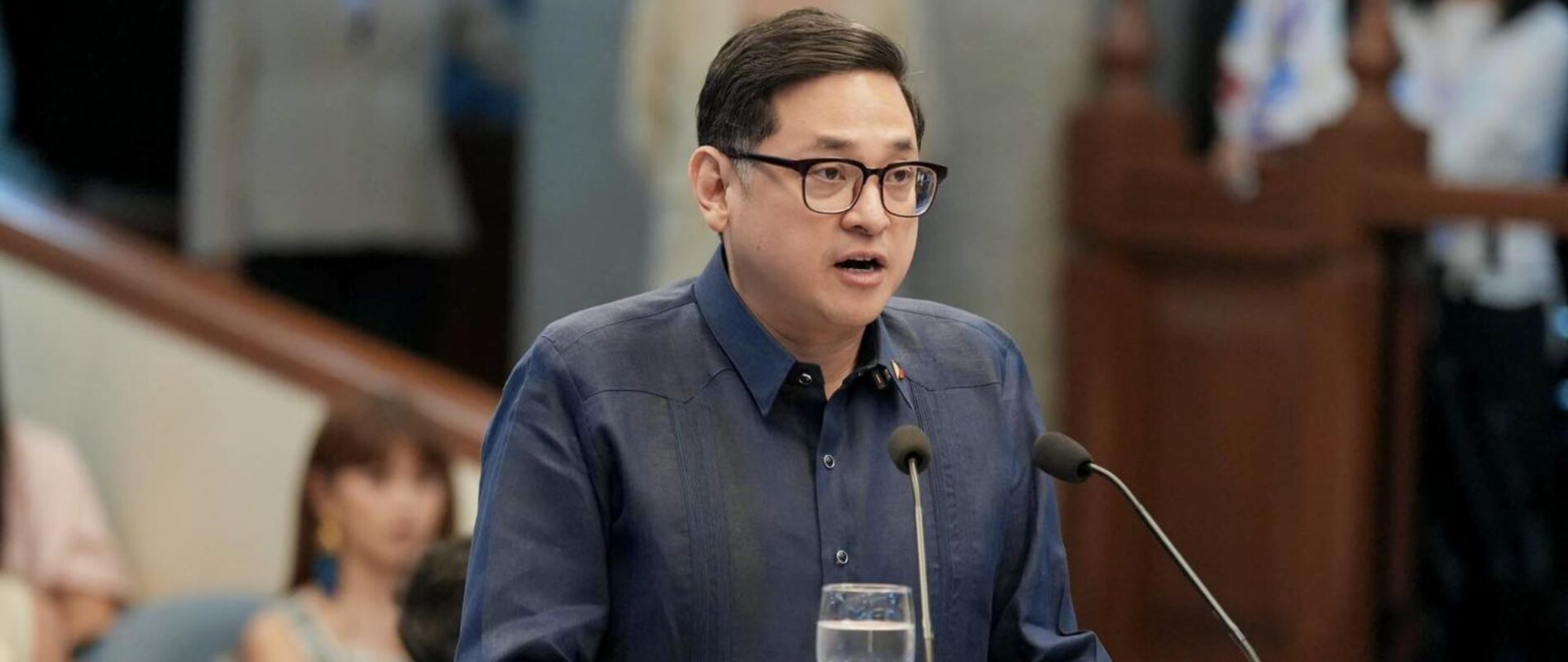
SENATOR Bam Aquino is calling for urgent action to bridge critical gaps in Special Needs Education (SNED), emphasizing the pressing need for more teachers, learning resources, and diagnostic services for learners with disabilities.
Aquino cited an EDCOM 2 report estimating that five million learners with special needs make up approximately 20 percent of the country’s 23 million students. As chair of Senate Finance Subcommittee B and the Senate Committee on Basic Education, Aquino noted that this massive scale demands a corresponding expansion of educational facilities and support systems.
A key hurdle highlighted by the senator is the stark discrepancy in data. He urged the Department of Education (DepEd) to reconcile the EDCOM 2 figures with its own internal records, which currently identify around 495,000 learners with special needs—roughly two percent of the total student population. Furthermore, out of those tracked by DepEd, only about 150,000 have received a formal medical diagnosis.
Aquino stressed that establishing an accurate count of learners requiring special education is the crucial first step toward properly allocating resources across the system.
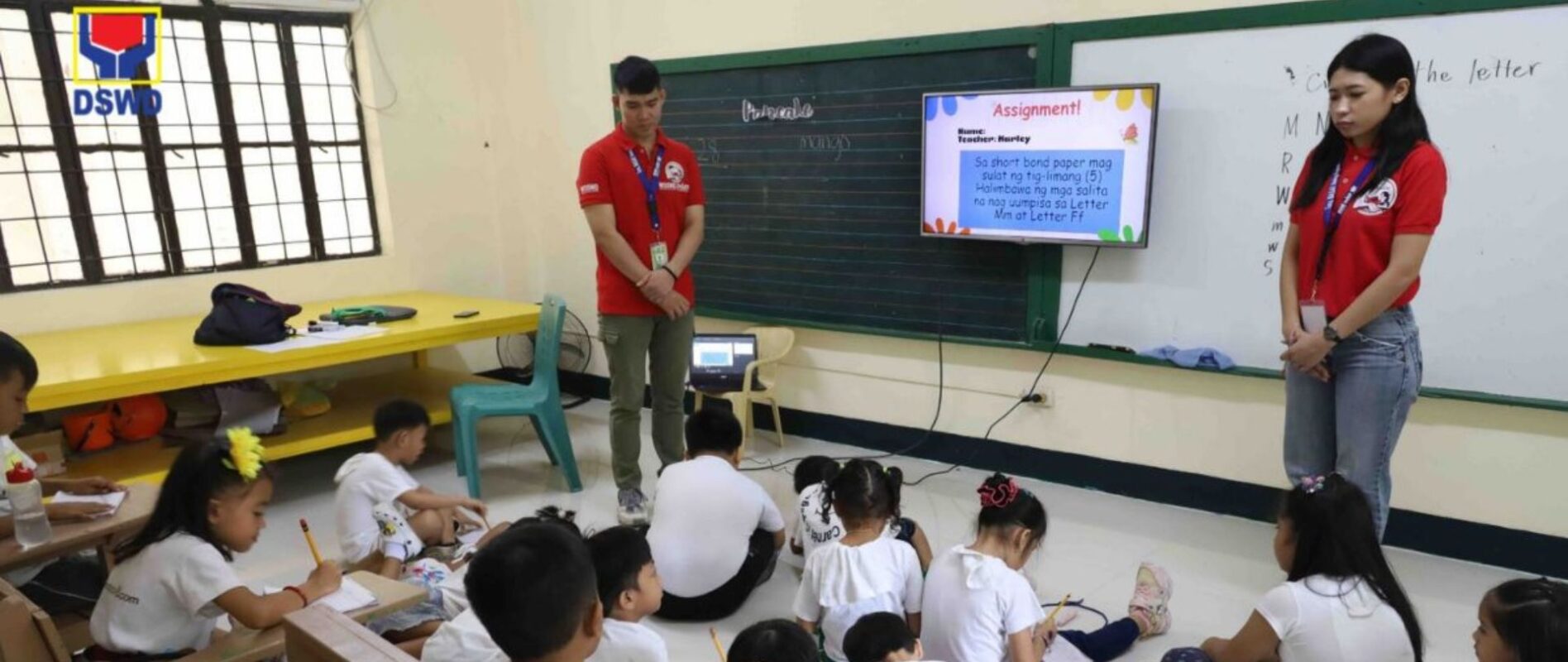
Addressing workforce shortages, Aquino raised deep concerns over the lack of SNED teachers, pointing to an ideal ratio of one teacher for every five learners. Under this benchmark, an estimated 80,000 educators would be required to support 400,000 learners with suspected special needs.
To tackle these systemic challenges, Aquino asked the Second Congressional Commission on Education (EDCOM 2) to conduct a comprehensive assessment of SNED, focusing on learner data and the training pipeline for teachers and allied professionals. He directed that this review be carried out in close coordination with the DepEd, the Commission on Higher Education (CHED), and the Technical Education and Skills Development Authority (TESDA).
Aquino also called for stronger inter-agency collaboration—including partnerships with the Philippine Health Insurance Corporation (PhilHealth)—to expand access to diagnostic evaluations and essential support services. He emphasized that the government must actively incentivize professionals to specialize in fields serving students with disabilities, ensuring they receive the targeted resources and educational opportunities they deserve.