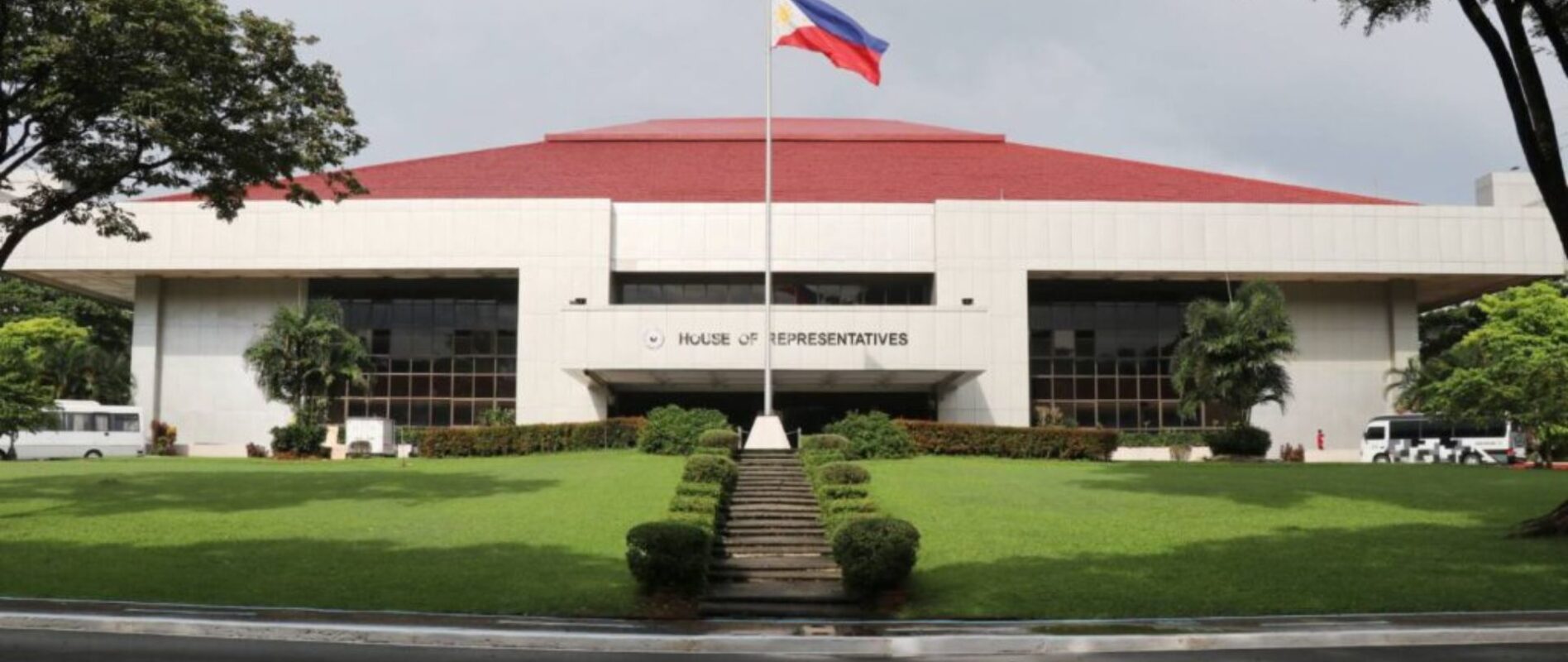
SOLON PUSHES LEGISLATIVE REFORMS TO STRENGTHEN HIGHER EDUCATION

TINGOG Party-list Rep. Jude Acidre has outlined a broad legislative agenda aimed at strengthening access, quality, innovation, and global competitiveness in Philippine higher education.
Speaking during the 32nd Anniversary Culminating National Event of the Commission on Higher Education (CHED), Acidre emphasized the need to translate research findings into lasting reforms that address long-standing challenges in the sector.
As co-chairperson of the Second Congressional Commission on Education (EDCOM 2) and chairperson of the House Committee on Higher and Technical Education, Acidre said the proposed measures are anchored on EDCOM 2’s assessment of the education system, which identified persistent issues in equitable access, quality assurance, research and innovation, internationalization, workforce alignment, and student success.
Among the key proposals is House Bill No. 4958, or the Higher Education Development and Innovation Act, which seeks to modernize the country’s higher education governance framework by updating the three-decade-old Higher Education Act of 1994.
The measure aims to strengthen CHED’s developmental role by promoting institutional improvement, innovation, and quality enhancement while maintaining accountability standards.
Its provisions include the adoption of a typology-based system that would grant greater autonomy to high-performing institutions, the creation of a dedicated faculty development fund, and the strengthening of quality assurance mechanisms.
Acidre also highlighted House Bill No. 4270, which proposes amendments to the Universal Access to Quality Tertiary Education Act to improve support for disadvantaged learners and ensure more effective targeting of government assistance programs.
The proposal was crafted in response to EDCOM 2 findings that revealed gaps in the distribution of tertiary education subsidies. It seeks to ensure that financial assistance reaches students from low-income families and geographically underserved communities.
To bolster research, innovation, and internationalization, Acidre cited House Bill No. 5019, which would allow state universities and colleges to appoint highly qualified dual citizens to academic, research, and leadership positions.
The lawmaker likewise identified several priority measures under the House Committee’s broader reform agenda, including the proposed Education-to-Employment Act, Philippine Higher Education Internationalization Act, Philippine Higher Education Faculty Development and Research Act, Abot Kayang Pangarap Act, Tripartite Council Act, and Foreign Academic Faculty Tenure Act.
“Together, these reforms seek to create a higher education system that is more accessible, responsive, innovative, globally connected, and future-ready,” Acidre said.
He noted that the legislative package is anchored on a long-term vision of transforming higher education by strengthening pathways from education to employment, expanding opportunities for disadvantaged students, promoting collaboration between academic institutions and industry, supporting faculty development and research, and enhancing the global standing of Philippine higher education institutions.
“These priorities are not simply legislative proposals. They represent a vision for the future of Philippine higher education: a future where every learner has a genuine opportunity to succeed; where institutions are empowered to innovate; where research contributes directly to national development; where education and employment are more closely connected; and where Filipino higher education earns greater recognition globally while remaining deeply responsive to local needs,” Acidre said.
TINGOG Party-list Rep. Jude Acidre has outlined a broad legislative agenda aimed at strengthening access, quality, innovation, and global competitiveness in Philippine higher education.
Speaking during the 32nd Anniversary Culminating National Event of the Commission on Higher Education (CHED), Acidre emphasized the need to translate research findings into lasting reforms that address long-standing challenges in the sector.
As co-chairperson of the Second Congressional Commission on Education (EDCOM 2) and chairperson of the House Committee on Higher and Technical Education, Acidre said the proposed measures are anchored on EDCOM 2’s assessment of the education system, which identified persistent issues in equitable access, quality assurance, research and innovation, internationalization, workforce alignment, and student success.
Among the key proposals is House Bill No. 4958, or the Higher Education Development and Innovation Act, which seeks to modernize the country’s higher education governance framework by updating the three-decade-old Higher Education Act of 1994.
The measure aims to strengthen CHED’s developmental role by promoting institutional improvement, innovation, and quality enhancement while maintaining accountability standards.
Its provisions include the adoption of a typology-based system that would grant greater autonomy to high-performing institutions, the creation of a dedicated faculty development fund, and the strengthening of quality assurance mechanisms.
Acidre also highlighted House Bill No. 4270, which proposes amendments to the Universal Access to Quality Tertiary Education Act to improve support for disadvantaged learners and ensure more effective targeting of government assistance programs.
The proposal was crafted in response to EDCOM 2 findings that revealed gaps in the distribution of tertiary education subsidies. It seeks to ensure that financial assistance reaches students from low-income families and geographically underserved communities.
To bolster research, innovation, and internationalization, Acidre cited House Bill No. 5019, which would allow state universities and colleges to appoint highly qualified dual citizens to academic, research, and leadership positions.
The lawmaker likewise identified several priority measures under the House Committee’s broader reform agenda, including the proposed Education-to-Employment Act, Philippine Higher Education Internationalization Act, Philippine Higher Education Faculty Development and Research Act, Abot Kayang Pangarap Act, Tripartite Council Act, and Foreign Academic Faculty Tenure Act.
“Together, these reforms seek to create a higher education system that is more accessible, responsive, innovative, globally connected, and future-ready,” Acidre said.
He noted that the legislative package is anchored on a long-term vision of transforming higher education by strengthening pathways from education to employment, expanding opportunities for disadvantaged students, promoting collaboration between academic institutions and industry, supporting faculty development and research, and enhancing the global standing of Philippine higher education institutions.
“These priorities are not simply legislative proposals. They represent a vision for the future of Philippine higher education: a future where every learner has a genuine opportunity to succeed; where institutions are empowered to innovate; where research contributes directly to national development; where education and employment are more closely connected; and where Filipino higher education earns greater recognition globally while remaining deeply responsive to local needs,” Acidre said.
As the proposed reforms continue to move through Congress, Acidre reaffirmed the committee’s commitment to ensuring that legislative action translates into tangible benefits for learners, educators, and institutions across the country.