LAWMAKER PUSHES CREATION OF DISABILITY COMMISSION TO EXPAND EDUCATION ACCESS FOR PWDS
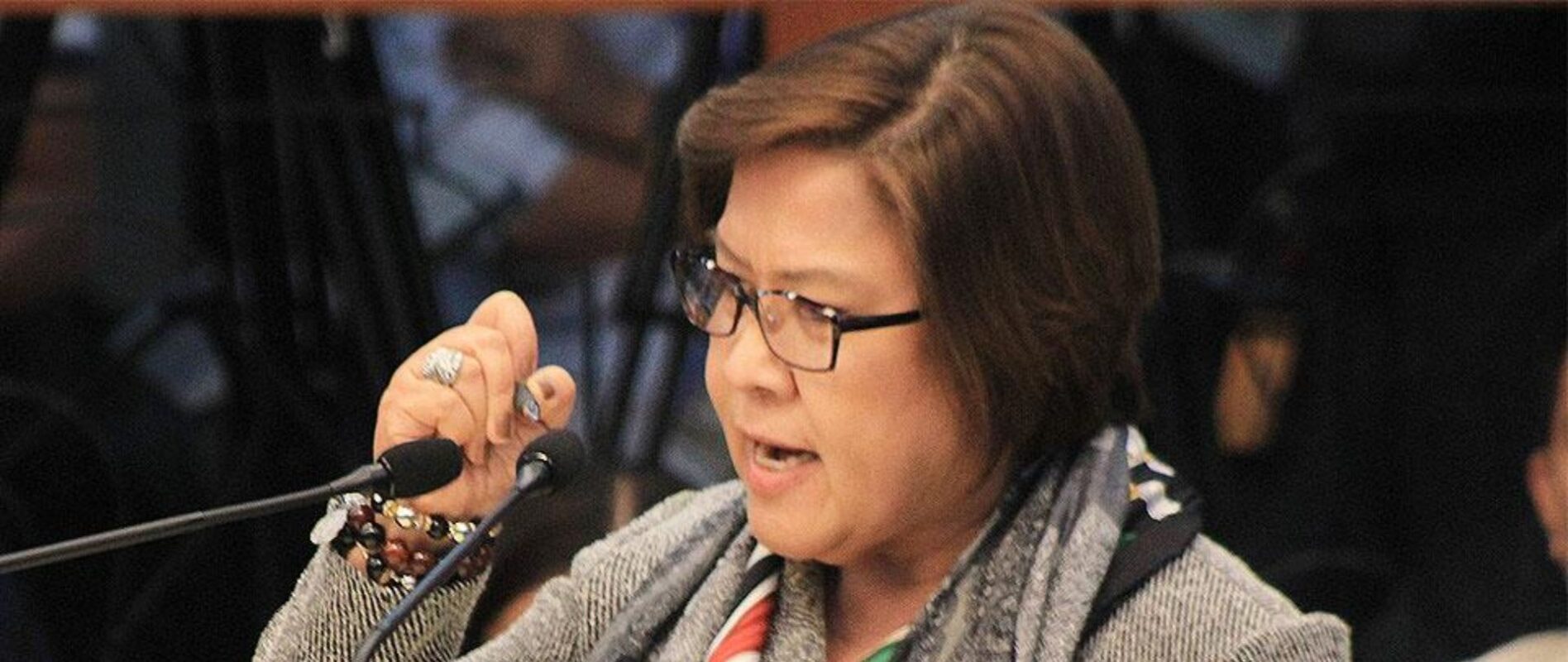
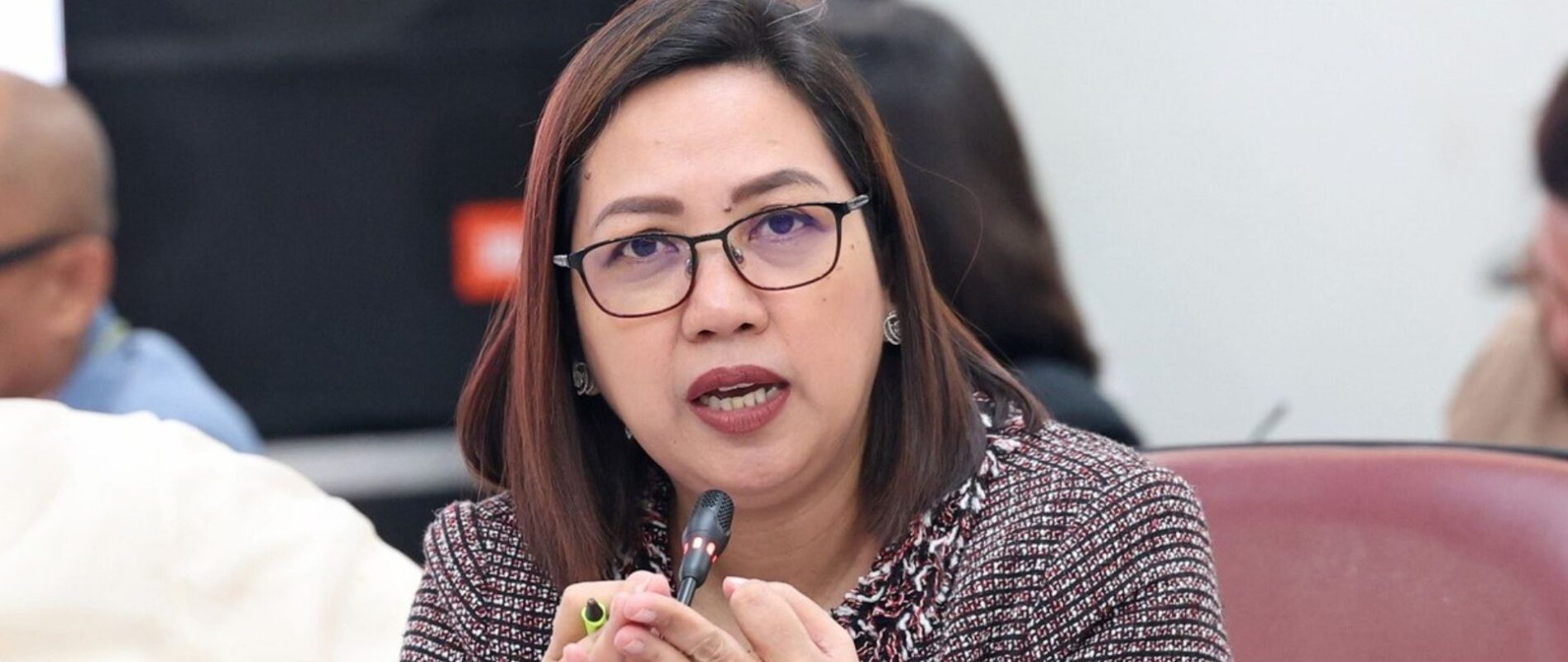
SENATOR Leila de Lima has filed a bill seeking to upgrade the National Council on Disability Affairs (NCDA) into a full-fledged commission, in a bid to strengthen government efforts to improve access to essential services—particularly education—for persons with disabilities (PWDs).
Under House Bill No. 8829, De Lima proposes the creation of the National Commission on Disability Affairs, which will serve as the central authority in implementing nationwide policies, programs, and services for PWDs.
The lawmaker stressed that despite existing policies, many Filipinos with disabilities continue to face significant barriers to quality education.
“Many PWDs are still left behind in classrooms due to inadequate support systems, lack of proper interventions, and limited access to inclusive learning environments,” De Lima said, emphasizing that education remains one of the most critical gaps that must be addressed.
At present, the NCDA functions primarily as a policymaking body and lacks the authority to directly implement programs. De Lima noted that this limitation contributes to persistent gaps in delivering essential educational support, including assistive technologies, special education resources, and teacher training for inclusive classrooms.
The proposed commission will be granted stronger powers and resources to oversee the implementation of inclusive education programs and ensure compliance with laws mandating equal access to schooling for PWDs.
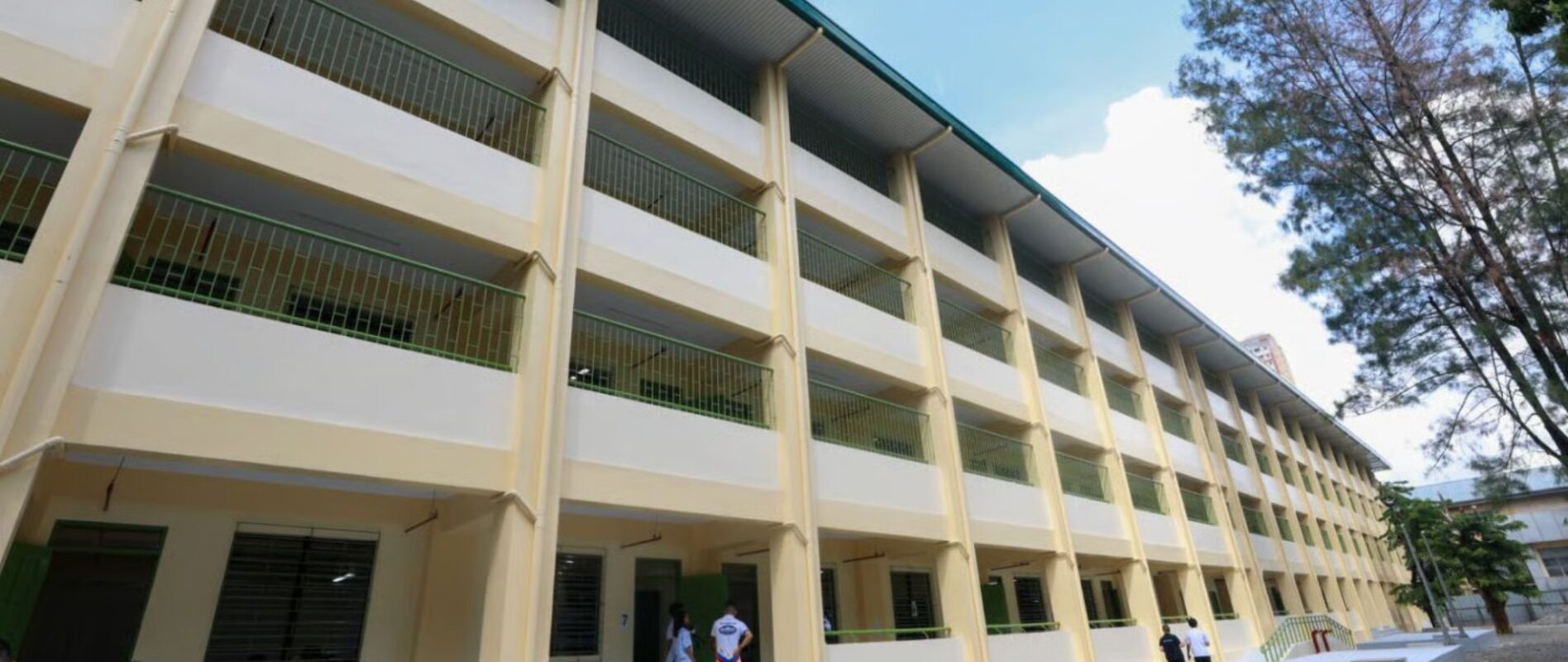
It will also coordinate with national agencies and local government units to upgrade school facilities, develop specialized curricula, and expand access to early intervention services.
A key feature of the bill is the establishment of a National Registration Program for PWDs, to be implemented in partnership with the Philippine Statistics Authority. The database will provide accurate and updated information on the number, location, and specific needs of learners with disabilities—data crucial for effective planning and resource allocation.
The measure likewise mandates a nationwide assessment system at the provincial, city, and municipal levels to identify service gaps, particularly in education. This aims to ensure that children with disabilities are not excluded from basic education due to inadequate infrastructure or lack of trained personnel.
If enacted, the bill will also create a Disability Support Fund to finance rehabilitation services, assistive devices, and community-based education initiatives. The fund is expected to ease the financial burden on families while supporting local programs that promote inclusive learning.
De Lima underscored that reliable data, adequate funding, and a stronger institutional framework are key to translating policies into real, measurable improvements.
The proposed measure forms part of her broader legislative agenda to advance disability rights, including initiatives on autism care, disability support allowances, and inclusive approaches for individuals with conditions such as autism spectrum disorder, ADHD, and Down syndrome.
Advocates say the bill, if passed, could significantly strengthen the country’s inclusive education system and help ensure that no learner is left behind due to disability.