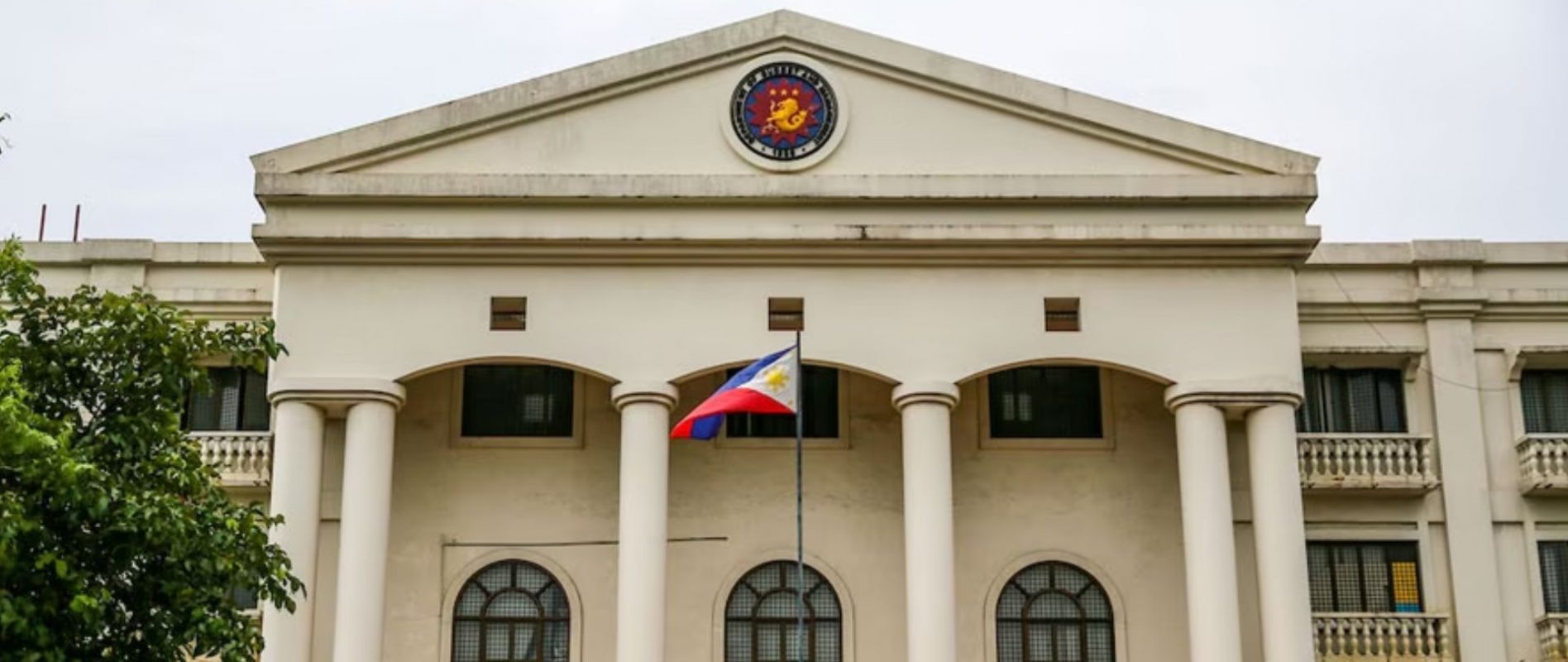
SENATE APPROVES BILL STRENGTHENING FREE COLLEGE LAW ON FINAL READING
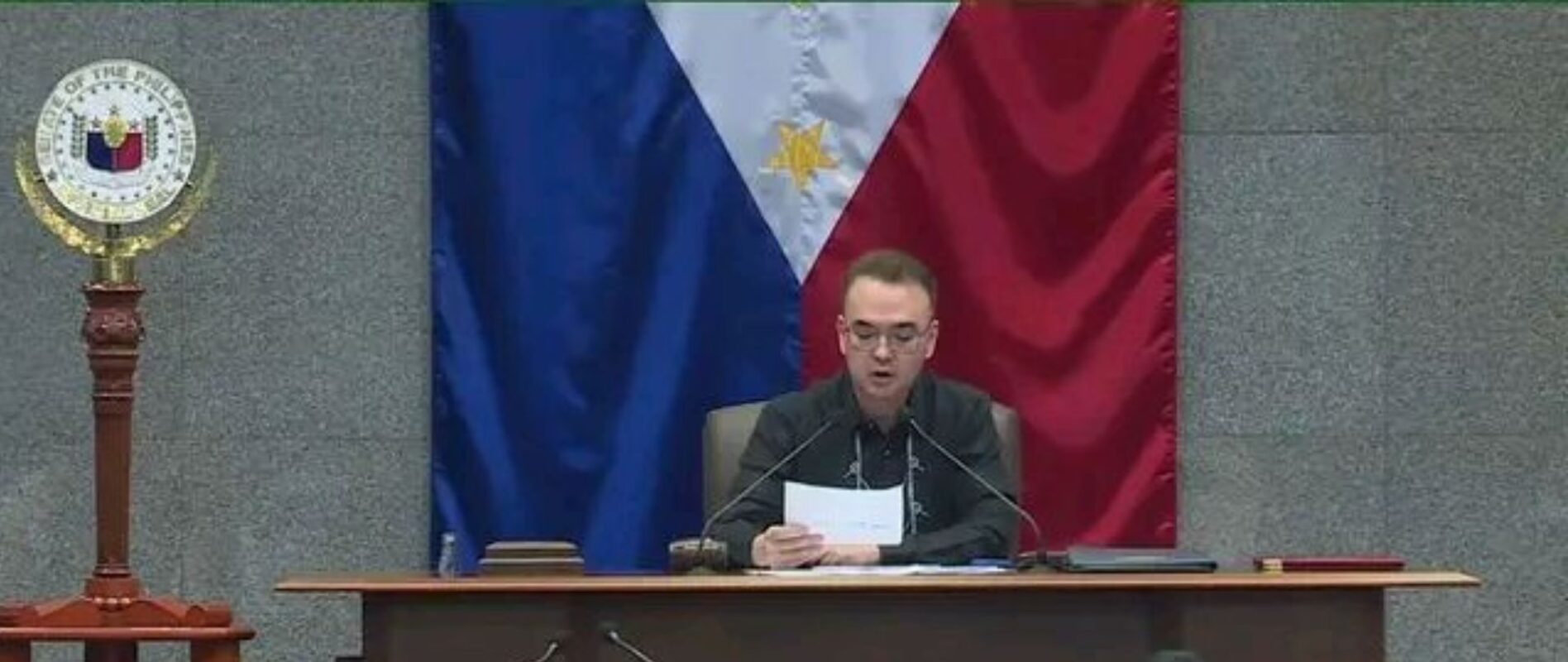
THE SENATE on Tuesday approved on third and final reading a measure seeking to strengthen the implementation of the Universal Access to Quality Tertiary Education Act by expanding financial assistance, improving access for disadvantaged learners, and institutionalizing stronger monitoring and quality assurance mechanisms.
Senate Bill No. 1894 under Committee Report No. 31, sponsored by Sen. Loren Legarda, seeks to amend Republic Act No. 10931 or the Universal Access to Quality Tertiary Education Act.
Under the measure, students from households enrolled in the Pantawid Pamilyang Pilipino Program (4Ps) who complete secondary education will automatically qualify for Tertiary Education Subsidy (TES) grants once admitted to any Commission on Higher Education (CHED)-recognized higher education institution or Technical Education and Skills Development Authority (TESDA)-recognized technical-vocational institution.
The bill also expands the definition of “other school fees” to include clinical internship and Related Learning Experience (RLE) fees required in nursing and allied health programs.
It further broadens the coverage of learners considered to be from disadvantaged backgrounds, including persons with disabilities, indigenous peoples, learners under foster care, children at risk and those in conflict with the law, solo parents and their dependents, 4Ps beneficiaries, first-generation college students, and learners from geographically isolated and disadvantaged areas, among others.
The proposed measure also expands TES coverage to include allowances for books, transportation, room and board, disability-related expenses, laptop or computer purchases, and costs related to professional licensure examinations.
For nursing and allied health students enrolled in private higher education institutions, the bill provides additional subsidies to cover clinical internship and RLE fees.
Under the proposal, the Unified Student Financial Assistance System for Tertiary Education (UniFAST) Board will also be required to review and adjust TES grant amounts every two years, in consultation with relevant agencies, to account for inflation and rising education costs.
In addition, the bill mandates CHED, TESDA, and UniFAST to jointly submit annual reports to Congress detailing the number of beneficiaries, subsidy utilization, retention and completion rates, graduate outcomes, and projected funding requirements.