PH MAINTAINS ‘DOING BETTER’ STATUS AS 78% OF FILIPINOS DONATE IN 2025, STUDIES FIND
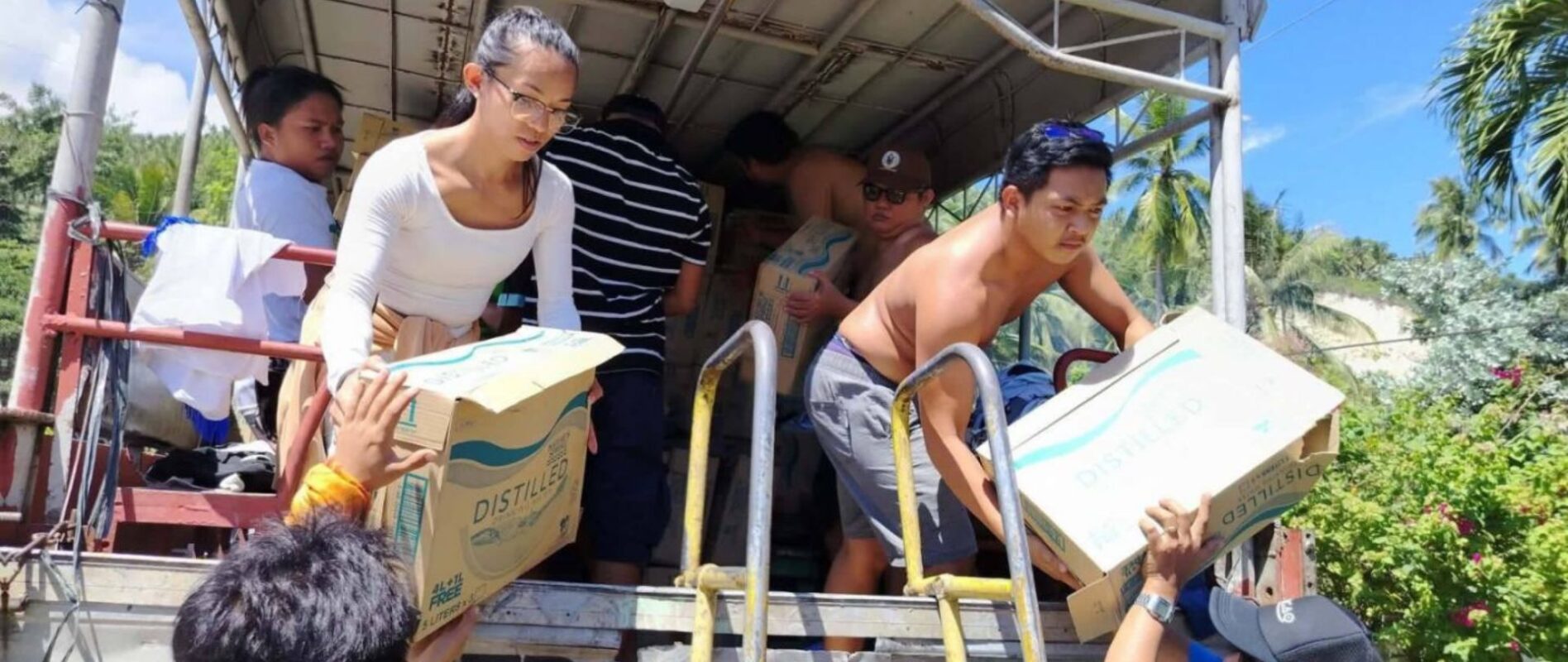
The Philippines has maintained its “Doing Better” status for the fifth consecutive edition of the Doing Good Index (DGI) 2026, making it the highest-ranked Southeast Asian country after Singapore in the Index’s assessment of the enabling environment for philanthropy. It is one of only five economies in Asia to be classified as “Doing Better,” alongside Chinese Mainland, Hong Kong, Japan, and Korea, while Singapore is the only economy in the “Doing Excellent” category. The World Giving Report (WGR) – Donor Insights 2026 likewise found that 78% of Filipinos donated in 2025, underscoring the country’s enduring culture of bayanihan.
Published every two years, the DGI by the Centre for Asian Philanthropy and Society (CAPS) examines the factors that enable or constrain philanthropy across Asia, while the WGR by the Charities Aid Foundation (CAF) is an annual study of giving behaviors and trends worldwide. The Association of Foundations (AF) serves as the Philippines partner for both studies.
Corporate and individual giving remain strong
During the Philippines launch on July 30, CAPS Director of Policy Engagement Kithmina Hewage described corporate engagement as a defining strength of the country’s philanthropic landscape. The DGI found that 79% of NGOs receive corporate funding, with corporate support accounting for an average of 34% of an organization’s budget, higher than the average of 19% in Asia.
“There is a great opportunity to leverage corporate philanthropy and to make sure that it has the needed impact and to fill some of the gaps”, says Hewage.
Alongside strong corporate support, the WGR found that individual giving remains high, with nearly eight in 10 (78%) of Filipinos donating in 2025, higher than both the global (61%) and Asia (68%) averages.
Faith also remains a major driver of generosity, with 45% of Filipinos donating to religious organizations in 2025, according to the WGR.
Unlocking more support for NGOs
While generosity remains high, the studies also point to opportunities to channel more support toward NGOs. The WGR found that only 34% of Filipinos donated money directly to NGOs in 2025, while the DGI reported that 80% of NGOs believe domestic funding could be further strengthened.
“Whilst funding is consistent, the expenses when it comes to deploying the services of the social sector have increased as well, and the demand for those services have increased as well. Expenses had increased, and the funding increase did not match that level,” says Hewage.
Milet Aquino, Communications Officer of the Association of Foundations said the findings point to important opportunities for the NGO sector. “The willingness to help is already there. The challenge for NGOs is to make it easier for people to act, whether by donating money, volunteering their time, or supporting a cause they care about.”
A social sector built on trust
Both studies also point to high levels of public trust in NGOs, providing a strong foundation for increasing charitable giving.
“Trust is essentially the cornerstone of a lot of other things that happen in the NGO sector,” says Hewage.
CAF Head of Research Alex Plumb said NGOs can build on this trust by strengthening their local presence and helping people see the difference their contributions make.
Plumb noted that the Philippines ranks among the highest globally in terms of people’s sense of belonging, with around 90% reporting a strong connection to their communities. “People who see the positive impact of NGOs on local communities are twice as likely to donate to a charity,” he adds.