EDCOM 2 SOUNDS ALARM ON NATIONWIDE SHORTAGE OF SPECIAL NEEDS EDUCATION TEACHERS
THE SECOND Congressional Commission on Education (EDCOM 2) has called on the Department of Education (DepEd) to review its teacher allocation system and expedite the recruitment of Special Needs Education (SNED) teachers to address severe staffing shortages across the country.
According to EDCOM 2’s analysis of DepEd data as of February 2026, 717 out of 6,613 authorized SNED teaching positions remain unfilled—a vacancy rate of nearly 11 percent.
The National Capital Region (NCR) registered the highest number of vacancies at 216, followed by Region III (Central Luzon) with 109 and Region IV-A (CALABARZON) with 74.
Beyond unfilled plantilla items, the commission discovered that 1,906 schools offering non-graded SNED programs have no plantilled SNED teachers listed in their inventory.
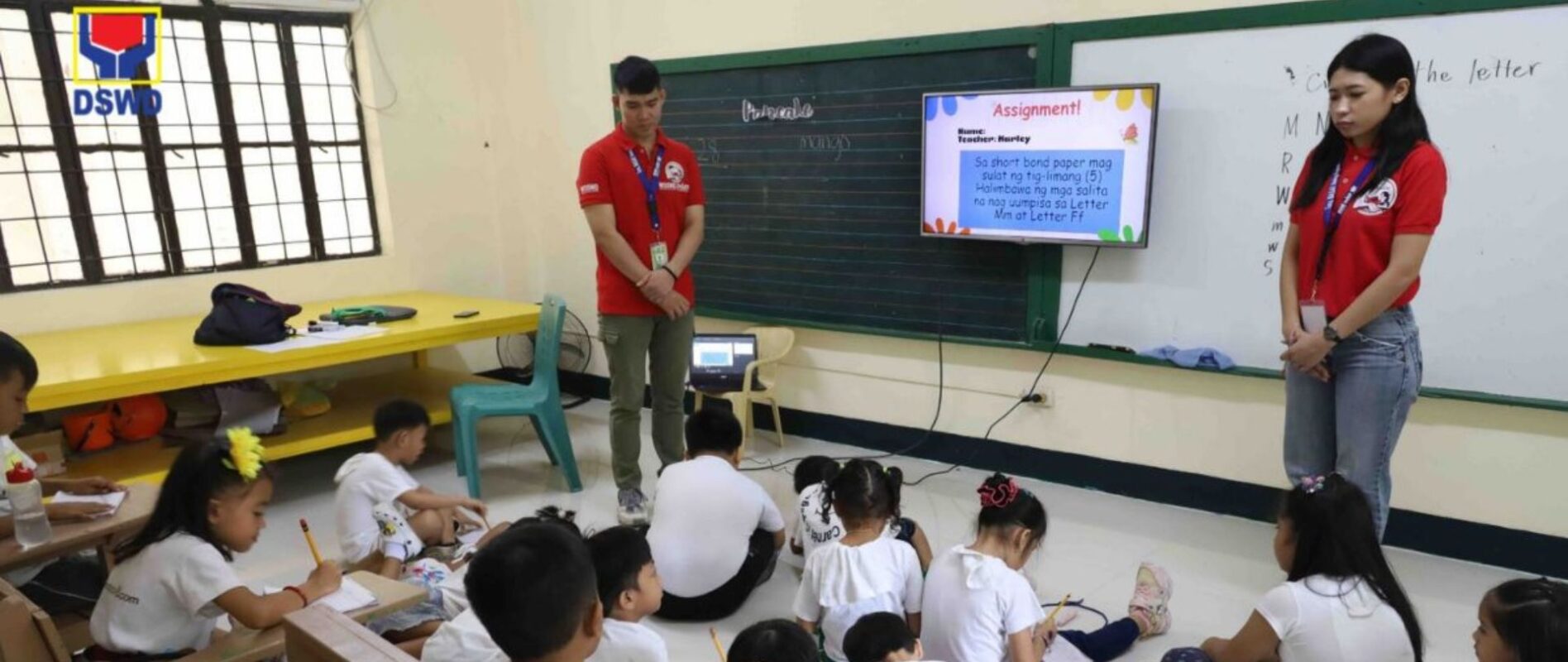
EDCOM 2 Executive Director Karol Mark Yee noted that recent field visits revealed untrained general education teachers are frequently tasked with handling learners with disabilities. In many areas, class sizes severely exceed manageable limits.
In Iloilo, for instance, the ratio of plantilled SNED teachers to formally diagnosed learners with disabilities reached a staggering 1:902. Severe imbalances were also recorded in Baguio City, Camarines Sur, and Parañaque City.
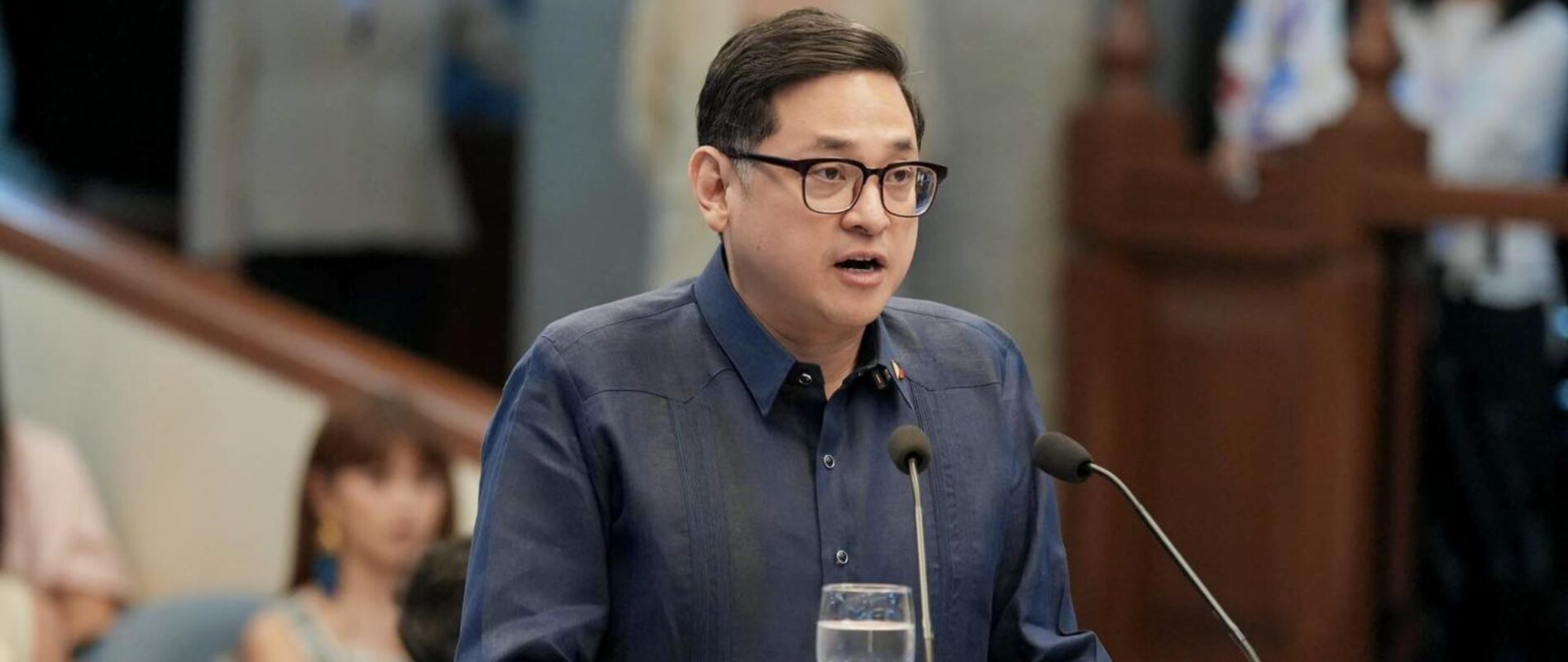
During a Senate budget hearing, Senator Bam Aquino highlighted the massive gap in coverage, stating that an estimated 400,000 learners with special needs would require approximately 80,000 teachers if the benchmark ratio of five learners per teacher were strictly enforced.
DepEd Assistant Secretary Jerome Buenviaje clarified, however, that the department does not necessarily need to recruit 80,000 specialized SNED items, as regular teachers can be upskilled to support inclusive classrooms. Still, Aquino emphasized that human resources must be prioritized alongside physical infrastructure, adaptive materials, and specialized equipment.
EDCOM 2 urged DepEd and the Department of Budget and Management (DBM) to construct a more responsive allocation framework for teaching items—particularly in junior high schools—to fully realize the mandate of Republic Act No. 11650, or the Inclusive Education Act.