CAPE SEEN AS FRAMEWORK TO SUSTAIN EDUCATION REFORMS BEYOND EDCOM II
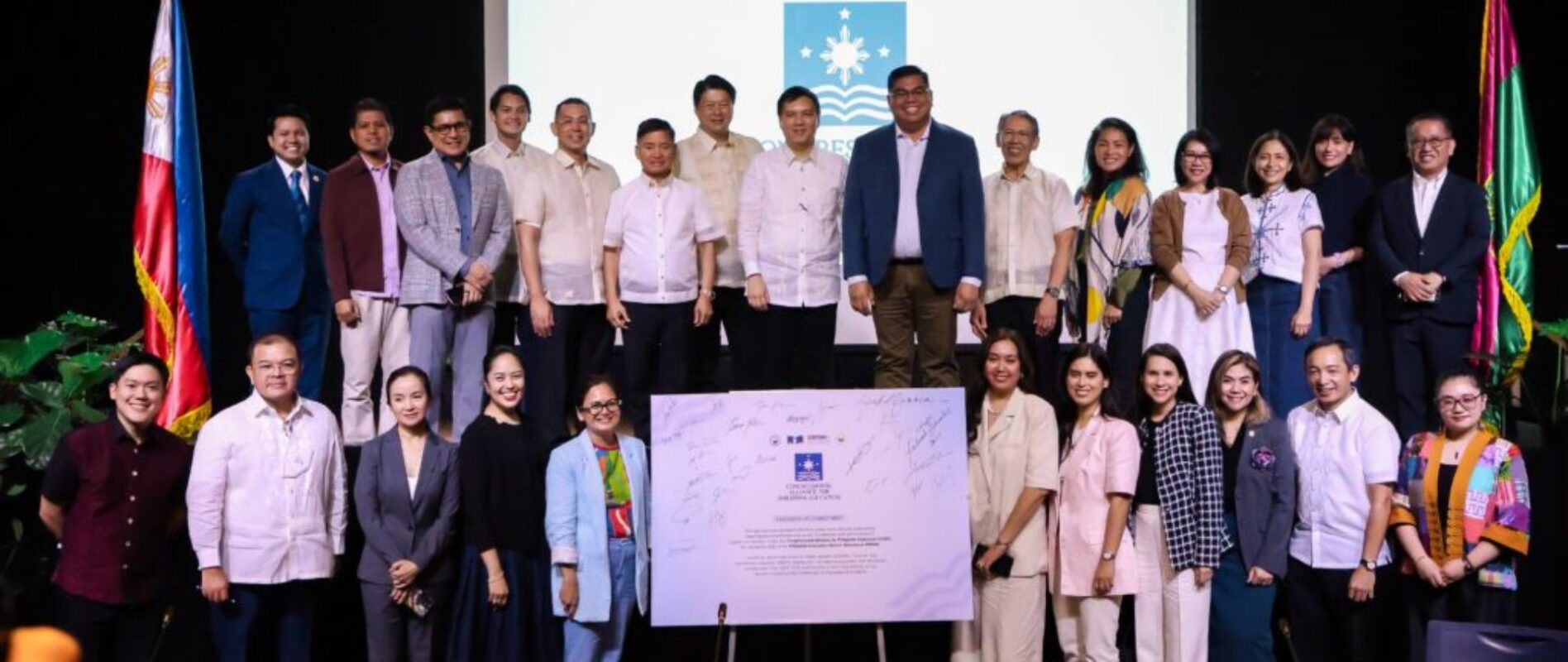
THE PROPOSED Congress-led Alliance for Policy and Evidence in Education, or CAPE, is being positioned as a framework for sustaining education reforms beyond the work of the Second Congressional Commission on Education, or EDCOM II.
Under the proposed framework, CAPE would bring together universities and researchers, civil society groups, local governments, schools, development partners, and other sectors to help ensure that legislation and education funding remain grounded in evidence and actual conditions on the ground.
TINGOG party-list Representative Jude Acidre said sustaining education reform should not be confined to the halls of Congress.
He stressed the need for policymakers to remain connected with teachers, researchers, schools, local governments, and other education stakeholders who can provide direct feedback on whether laws and programs are producing results in classrooms and communities.
“A teacher in the most remote school in the country should be able to tell us something that eventually changes a conversation in the halls of Congress,” Acidre said.
He said lawmakers should also hear directly from the education sector about what happens after legislation is implemented.
“That is convergence. It brings Congress closer to the classroom, and the classroom closer to Congress,” Acidre said.
Acidre said the challenge is to turn the shared commitment behind CAPE into an institution capable of sustaining education reforms across successive political administrations.
He said such continuity should ultimately translate into better learning outcomes for Filipino students.
“Three months ago, we gathered because we knew our children deserve better than what we are giving them today. Now our task is to turn that conviction into something that endures, an alliance strong enough to outlast the political seasons and practical enough to make a real difference where learning actually happens,” Acidre said.