DEPED STUDIES CELLPHONE BAN DURING SCHOOL BREAKS
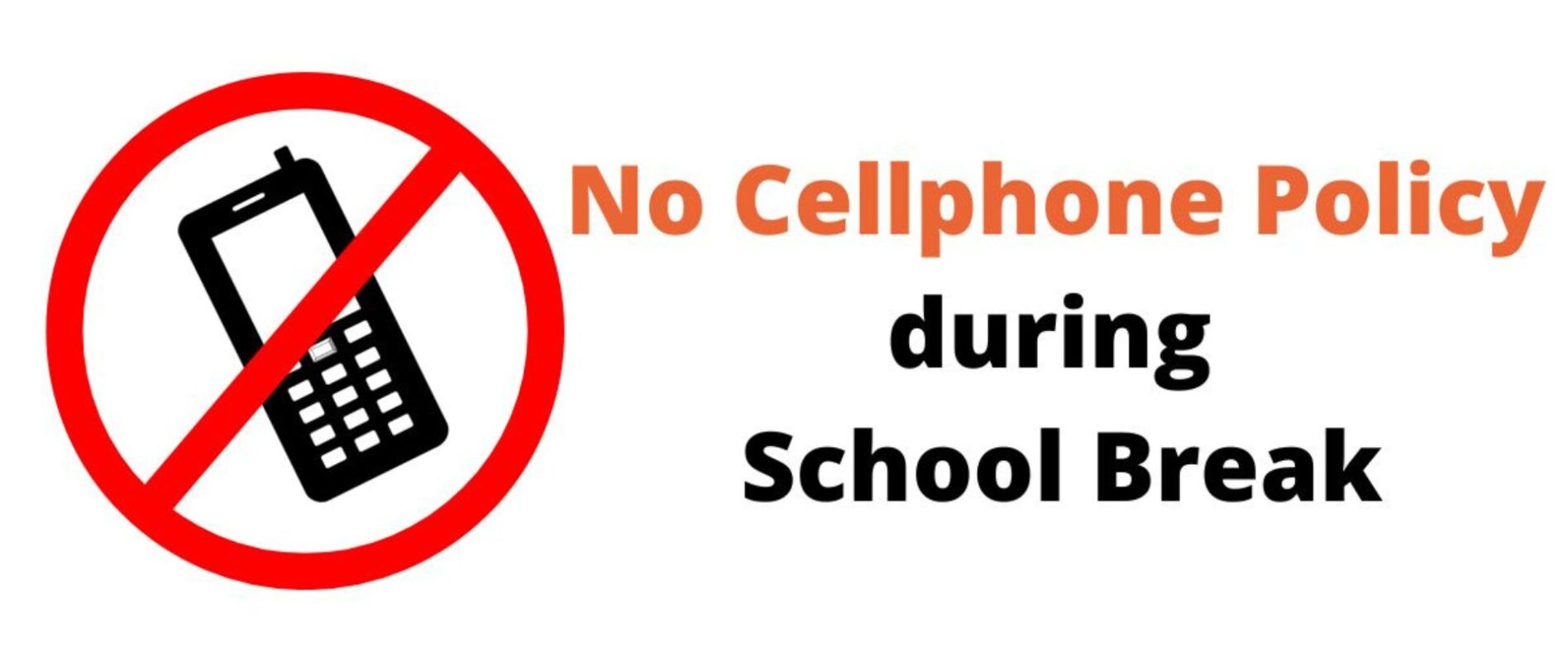
TACLOBAN CITY – The Department of Education (DepEd) is studying the possibility of prohibiting the use of mobile phones and other electronic devices even during recess and break time while inside school campuses.
Education Secretary Juan Edgardo Angara made the response to a question from Caibiran, Biliran Mayor Rhodessa Revita on possible assistance the education agency could provide local governments in enforcing the policy in public schools.
“The debate now is whether we should ban cellphone use even during recess or break time. That is something we are currently considering,” Angara said during the 2nd Quarter Joint Regional Task Force 8–End Local Communist Armed Conflict (JRTF 8–ELCAC) meeting in Naval, Biliran on Tuesday.
He acknowledged, however, that learners sometimes need mobile phones to communicate with their parents, particularly to arrange transportation or coordinate who will pick them up from school.
“Sometimes, students need their cellphones to communicate about when they will be picked up,” he said.
Angara also raised concerns about requiring schools to collect the phones for safekeeping, saying this could create accountability issues for teachers.
“That would be somewhat impractical for us. Teachers also do not want to be put in charge of the cellphones because if something gets lost, they could be held responsible for paying for it,” he said.
Under DepEd Order No. 006, s. 2026, or the Guidelines on Ensuring Safe and Motivating Learning Environment, the use of portable electronic devices by learners and personnel is prohibited during instructional hours.
The policy provides exemptions in meritorious cases, particularly when gadgets are needed for academic purposes, such as accessing educational platforms and digital resources or participating in authorized collaborative activities.
Gadget use is also allowed during emergencies, including disasters, medical emergencies, and other situations involving immediate safety concerns.
Angara also discussed ongoing congressional deliberations on proposed measures seeking to regulate children’s access to social media and the internet, particularly those aged 16 and below.
He said discussions are taking into account similar measures adopted or being considered in other countries, including Australia, Great Britain and Denmark.
“We must acknowledge that social media really has harmful effects,” Angara said, citing the June 22 shooting incident at San Jose National High School in Tacloban City and reports identifying the alleged shooter with the online nihilistic violent group 764.
He said addressing the potential harmful effects of social media and online content requires a community-wide approach, particularly for children and teenagers.
Angara stressed the importance of adult guidance for adolescents, especially those aged 14 to 16, whose brains are still developing in areas responsible for processing emotions.
Parents, he said, should provide support and guidance at home, while teachers and school guidance counselors should help students address emotional and behavioral concerns. (PNA)