LAWMAKER HAILS SENATE APPROVAL OF PRIVATE EDUCATION VOUCHER BILL

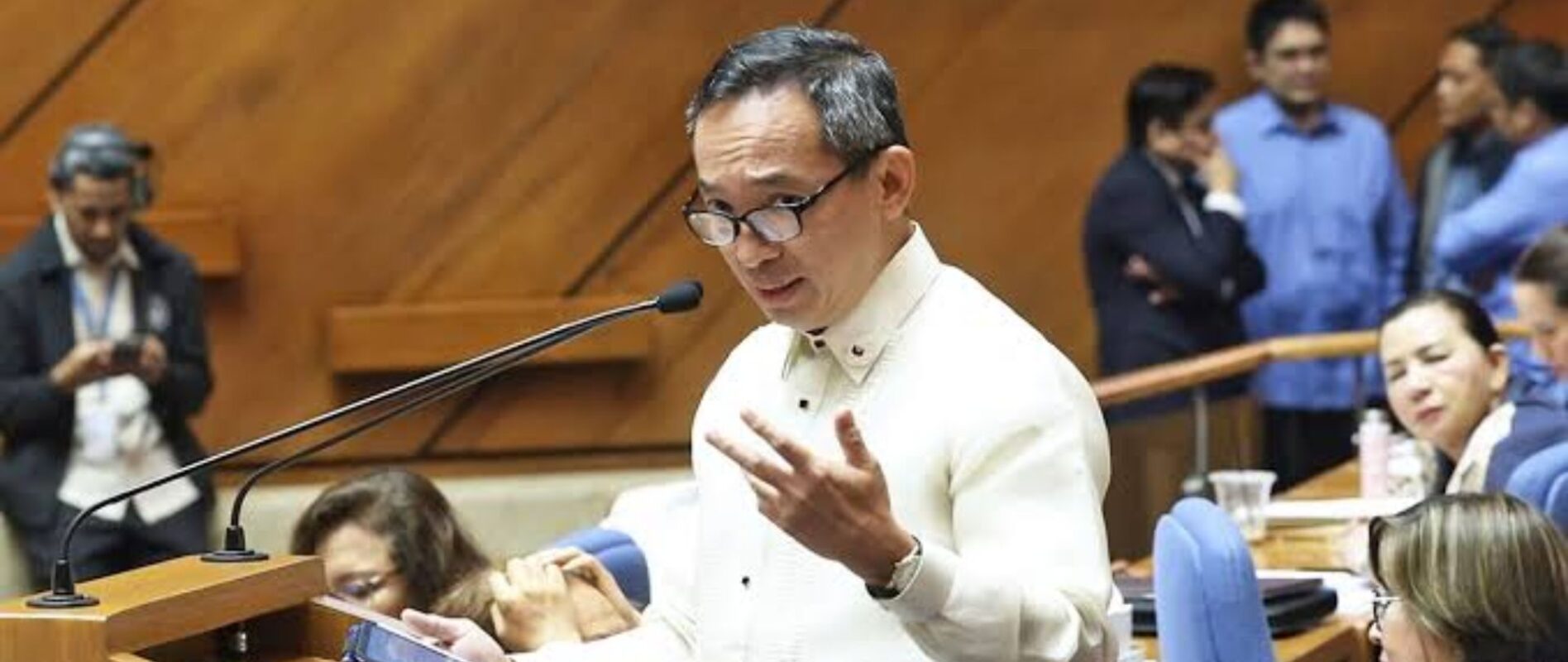
SENATE Minority Leader Alan Peter Cayetano welcomed the Senate’s approval on third and final reading of a landmark measure that would expand educational opportunities for disadvantaged K to 12 learners through a government-funded voucher system for private schools.
Voting 22-0-0, the Senate passed Senate Bill No. 1981, or the proposed Basic Education Voucher Program Act, during the resumption of plenary sessions.
The measure adopted key provisions of Cayetano’s Senate Bill No. 422, also known as the Learner’s Choice Act of 2025, which seeks to empower students and families by allowing them to use government-funded vouchers in any Department of Education-recognized private school of their choice.
Under the bill, priority beneficiaries include learners from overcrowded public schools, particularly those belonging to low-income families.
The proposed program will also extend support to disadvantaged learners such as persons with disabilities, orphans, Indigenous Peoples, students in geographically isolated and disadvantaged areas, and beneficiaries of the Pantawid Pamilyang Pilipino Program (4Ps).
Cayetano, a former co-chairperson of Second Congressional Commission on Education, said the measure strengthens the constitutional right of every Filipino child to accessible and quality education while helping address the chronic congestion in public schools.
“The Constitution guarantees the right of every Filipino to accessible and quality education at all levels and mandates the State to take appropriate steps to make such education available to all,” he said.
“I’d like to see the day na kapag pinanganak ka sa Pilipinas, regardless kung ano apelyido mo, kung mayaman ka o hindi, if you want to go to the best private school sa inyong province or city, you’ll have the opportunity to do that,” he added.
Cayetano filed the TLC Act in July 2025, drawing inspiration from Taguig City’s local voucher program, which was recognized by EDCOM 2 and identified by the Department of Education as a model initiative.
The Senate-approved version preserved the central principle of the TLC Act — that educational assistance should follow the learner, giving families greater freedom to choose the school best suited to their child’s needs.
Unlike the existing Expanded Government Assistance to Students and Teachers in Private Education (E-GASTPE) program, where subsidies are coursed through participating schools and limited by available slots, the proposed voucher system would be learner-held and portable.
The measure also broadens coverage to include all basic education learners, unlike the current E-GASTPE law, which only applies to selected grade levels.
Safeguards proposed by Cayetano were likewise incorporated into the Senate version, including penalties aimed at preventing ghost beneficiaries, payment delays, and other fraudulent practices.
The bill further mandates the Department of Education to maintain a public database of participating private schools, including information on tuition fees, program offerings, school capacity, and key performance indicators.
Following Senate approval, the proposed measure will next be reconciled with the House version before being transmitted to the President for signing into law.