SOLON BACKS OPPOSITION TO PROPOSED GE CURRICULUM OVERHAUL
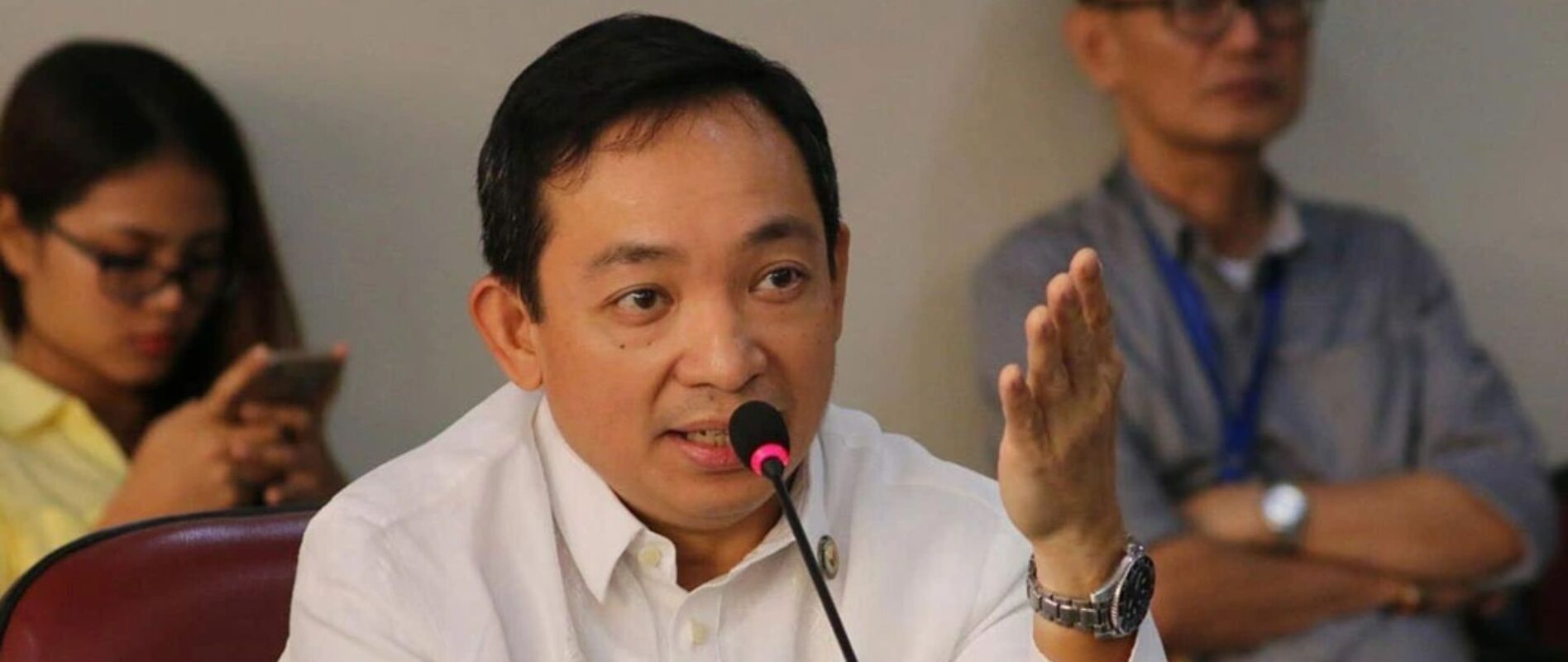
ACT Teachers Party-list Rep. Antonio Tinio on Thursday expressed support for faculty groups opposing the proposed overhaul of the college General Education (GE) curriculum by the Commission on Higher Education (CHED), while also raising concerns over the Department of Education’s (DepEd) ongoing revision of the Senior High School (SHS) curriculum.
Tinio warned that the two reforms could lead to teacher displacement and further narrow education toward market-driven demands.
The lawmaker criticized CHED’s draft proposal to cut mandatory GE units from 36 to 18 and remove standalone humanities courses as required subjects. He said the move could shrink departments, reduce teaching loads, and threaten the job security of educators, particularly in private schools.
“This is not just an academic issue. This is a livelihood issue for educators and a quality issue for students,” Tinio said, emphasizing that humanities subjects play a vital role in developing critical thinking, historical awareness, ethical reasoning, and cultural appreciation.
He added that calling the reform a “reframing” does not lessen its impact on humanities disciplines and academic freedom.
“CHED can call it ‘reframing’ all it wants, but when mandated humanities disciplines disappear and institutions are boxed into a narrow set of core courses, the effect is indistinguishable from removal,” he said.
Tinio also raised concerns about the consultation process for the revised SHS curriculum, citing reports from teachers’ groups about plans to streamline core subjects while expanding electives and clustered offerings.
According to him, the proposed changes could once again disrupt staffing patterns, teaching loads, and work assignments—similar to problems encountered during the implementation of the K to 12 program.
“We welcome consultations, but meaningful consultation cannot be reduced to a short online survey and a rushed timeline,” he said.
Tinio warned that reforms framed as “decongestion” and “flexibility” could ultimately prioritize labor-market demands over quality education.
“Education reforms must serve the Filipino people, not corporate needs or shifting labor-market demands,” he said, adding that drastic reductions in core subjects without adequate resources and staffing support could deepen inequalities in schools.
The lawmaker also backed calls from teachers’ unions for stronger welfare measures, including reduced teaching loads, compensation for additional preparation time, and government-funded professional development programs.
“Teachers are already overworked, underpaid, and burdened by large classes and excessive paperwork. DepEd cannot demand new preparations and new competencies while refusing to address the basic conditions of teaching and learning,” Tinio said.
Tinio urged CHED to suspend its current GE draft and hold broader consultations with faculty organizations and academic experts, alongside guarantees against teacher displacement and a fully funded transition plan.
He likewise called on DepEd to extend consultations on the SHS curriculum revision, disclose implementation and funding details, and ensure that teacher welfare and quality education remain at the center of any reform efforts.