SENATE APPROVES BILL STRENGTHENING EDUCATION IN REMOTE AND UNDERSERVED AREAS
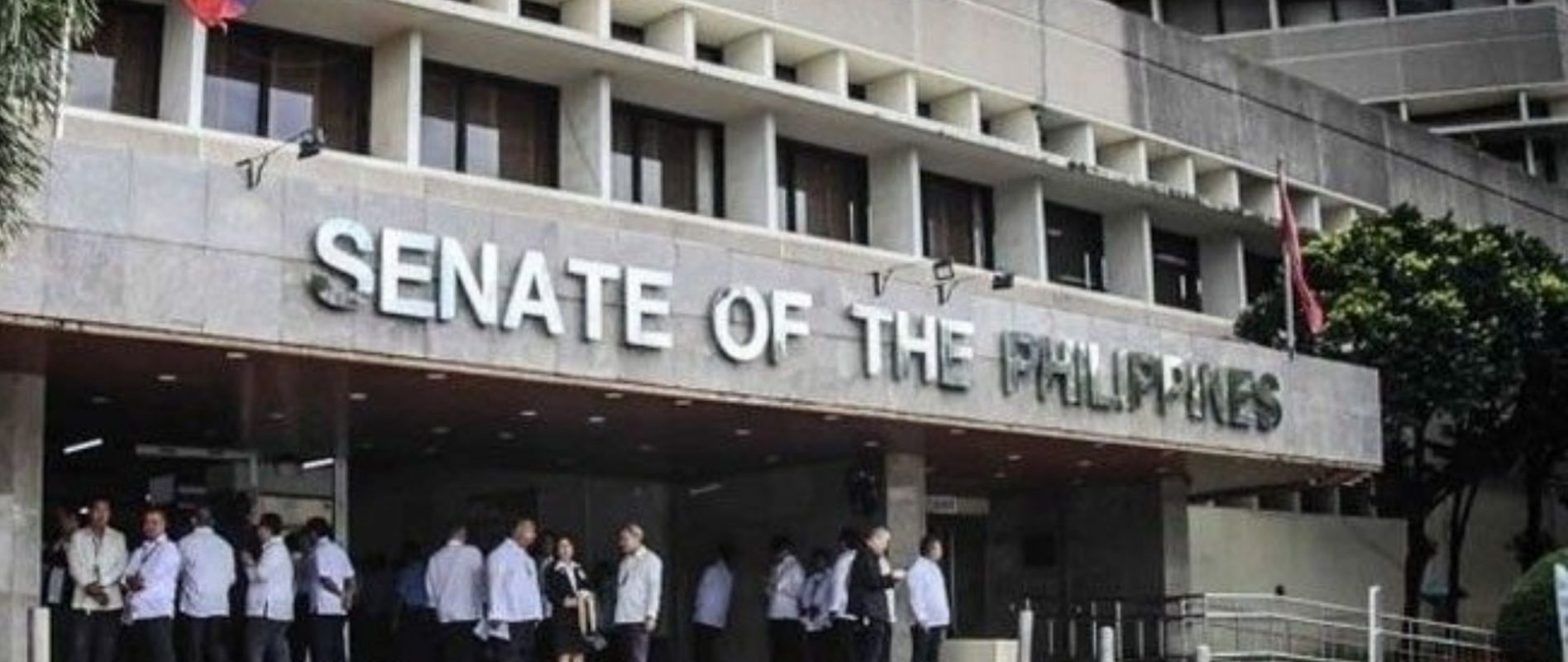
THE SENATE has approved on third and final reading Senate Bill No. 1937, also known as the Geographically Isolated and Disadvantaged Areas (GIDA) Schools Act, which seeks to institutionalize government support for public basic education in remote and underserved communities.
The measure aims to improve access to quality education by providing GIDA schools with additional classrooms, electricity, learning materials, internet connectivity, and programs tailored for Indigenous Cultural Communities and Indigenous Peoples.
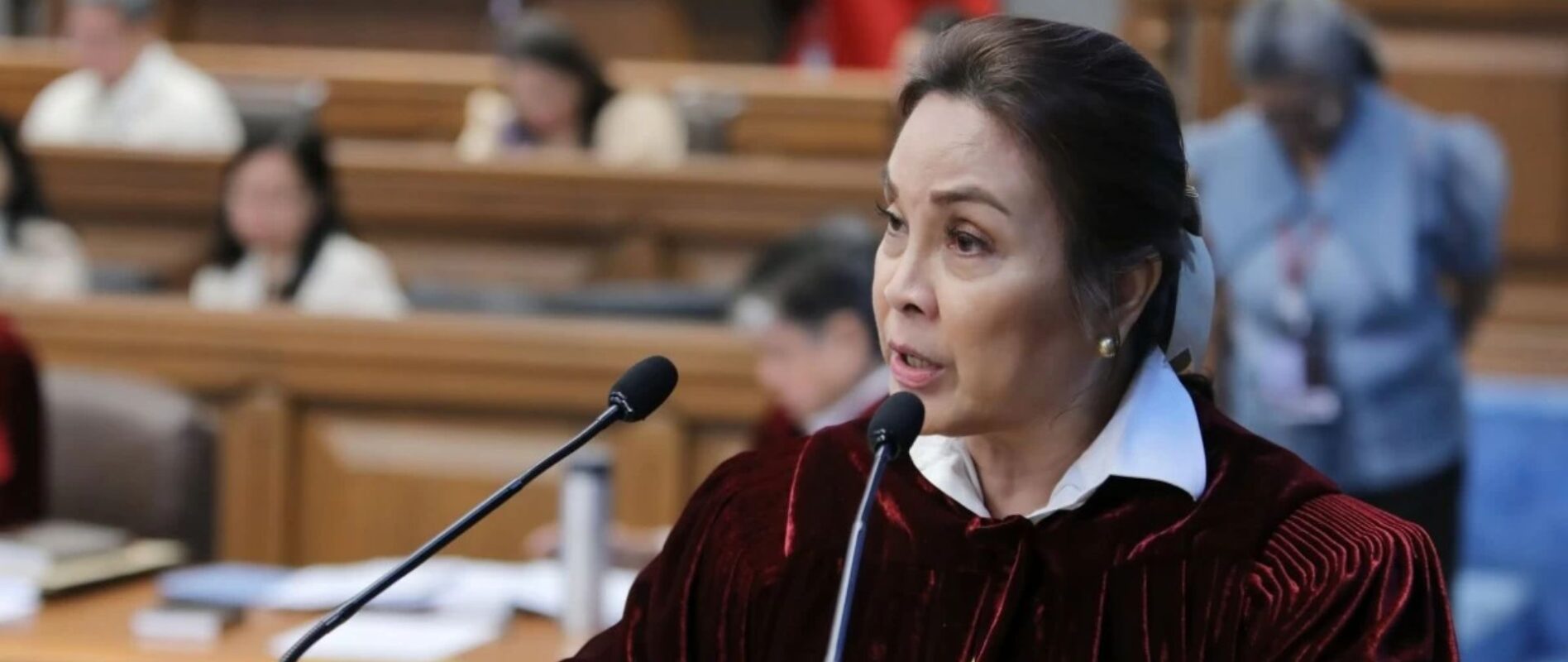
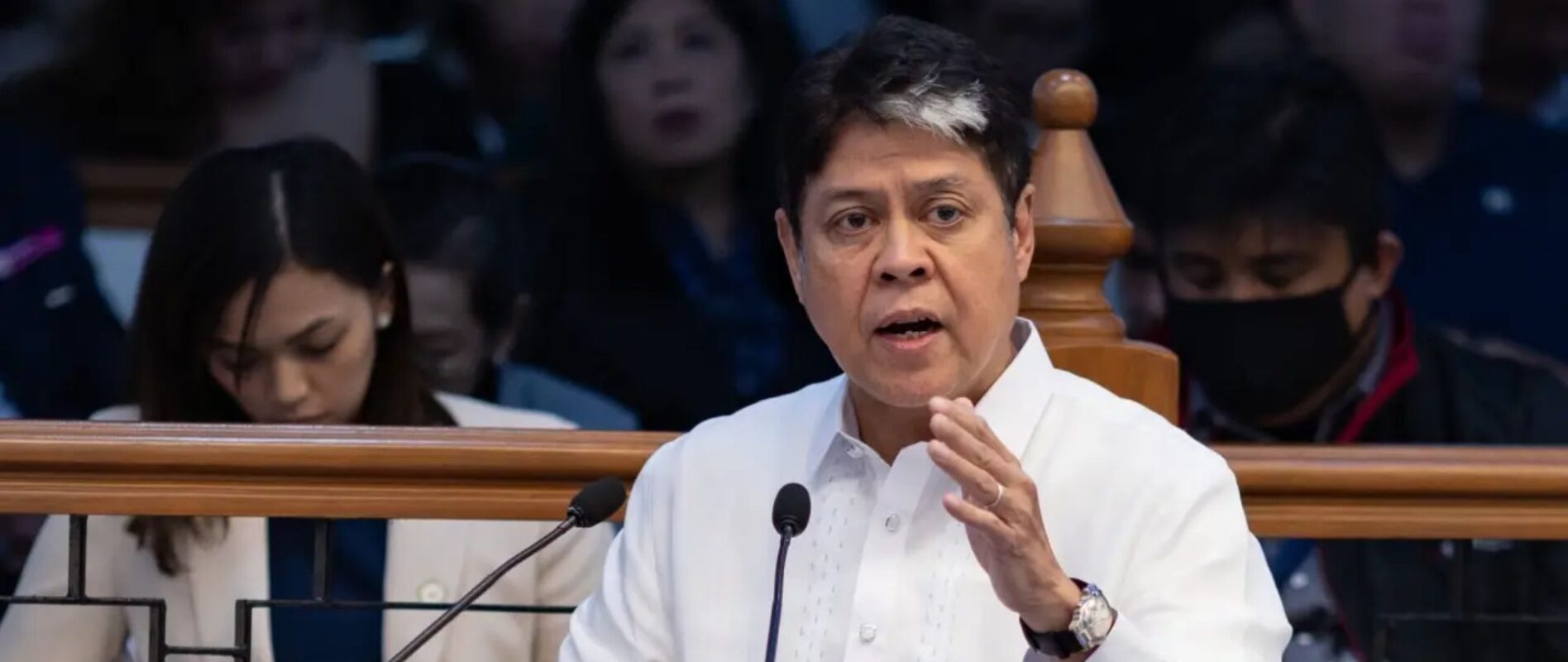
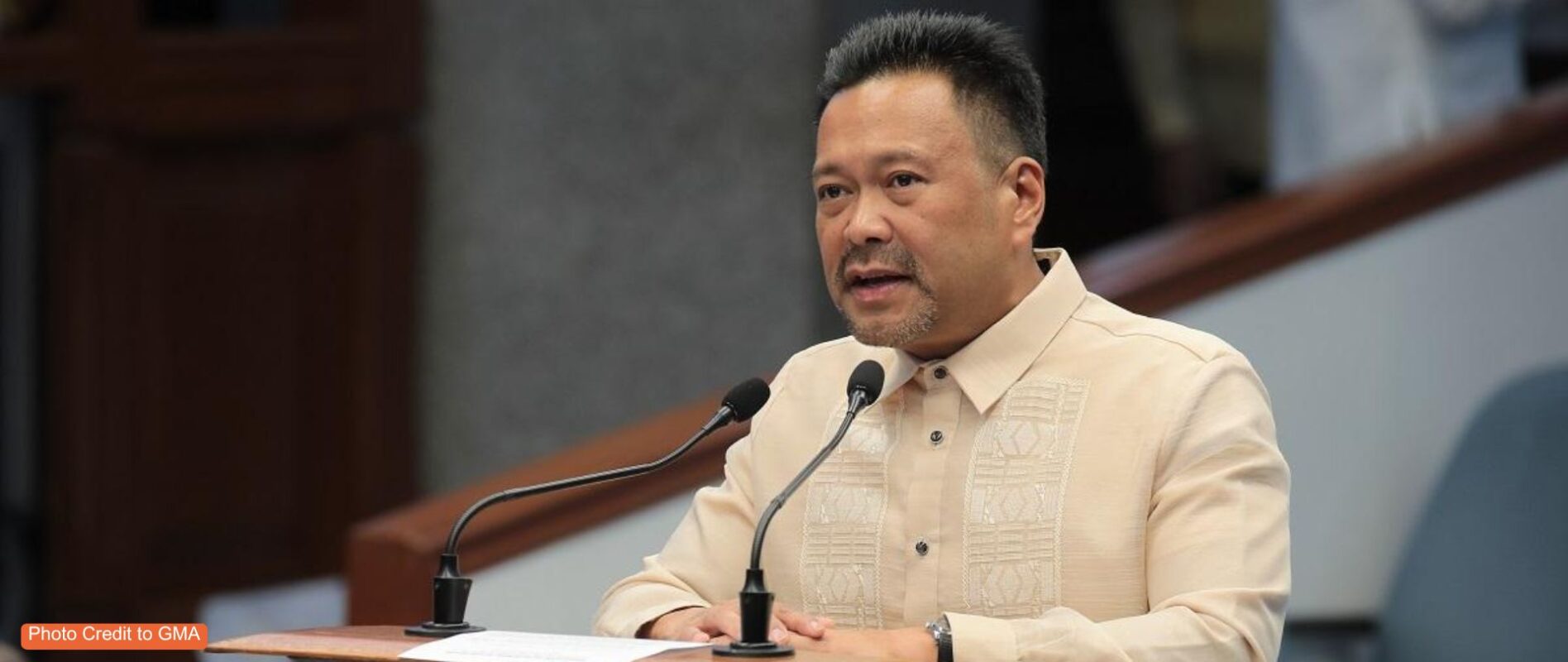
The bill was sponsored by Senator Bam Aquino, chairperson of the Committee on Basic Education, and authored by Senators Loren Legarda, Raffy Tulfo, Joel Villanueva, and Francis ‘Kiko’ Pangilinan.
Aquino said the bill will ensure sustained support for students, teachers, and communities in areas where access to quality education remains limited. “With this measure, every child in GIDA will have access to quality education, supported by dedicated teachers, proper facilities, and active community involvement,” he said.
Under the measure, GIDA schools are expected to benefit from locally sourced, climate-resilient construction materials and safe access roads, built through coordination among national agencies and local governments.
Teachers and school personnel assigned to GIDA schools will receive additional compensation and allowances, housing support, professional development opportunities, and priority in recruitment, promotion, and career advancement. The measure also encourages community-based staffing, prioritizing personnel culturally connected to local communities and proficient in local languages.
Once enacted, the Department of Education will adopt national school accessibility standards, establish a National GIDA Schools Map to guide planning and resource allocation, monitor learner participation and outcomes, and submit annual reports to Congress.