SENATOR SEEKS CLARIFICATION FROM PRC ON LICENSURE RULES FOR FOREIGN GRADUATES
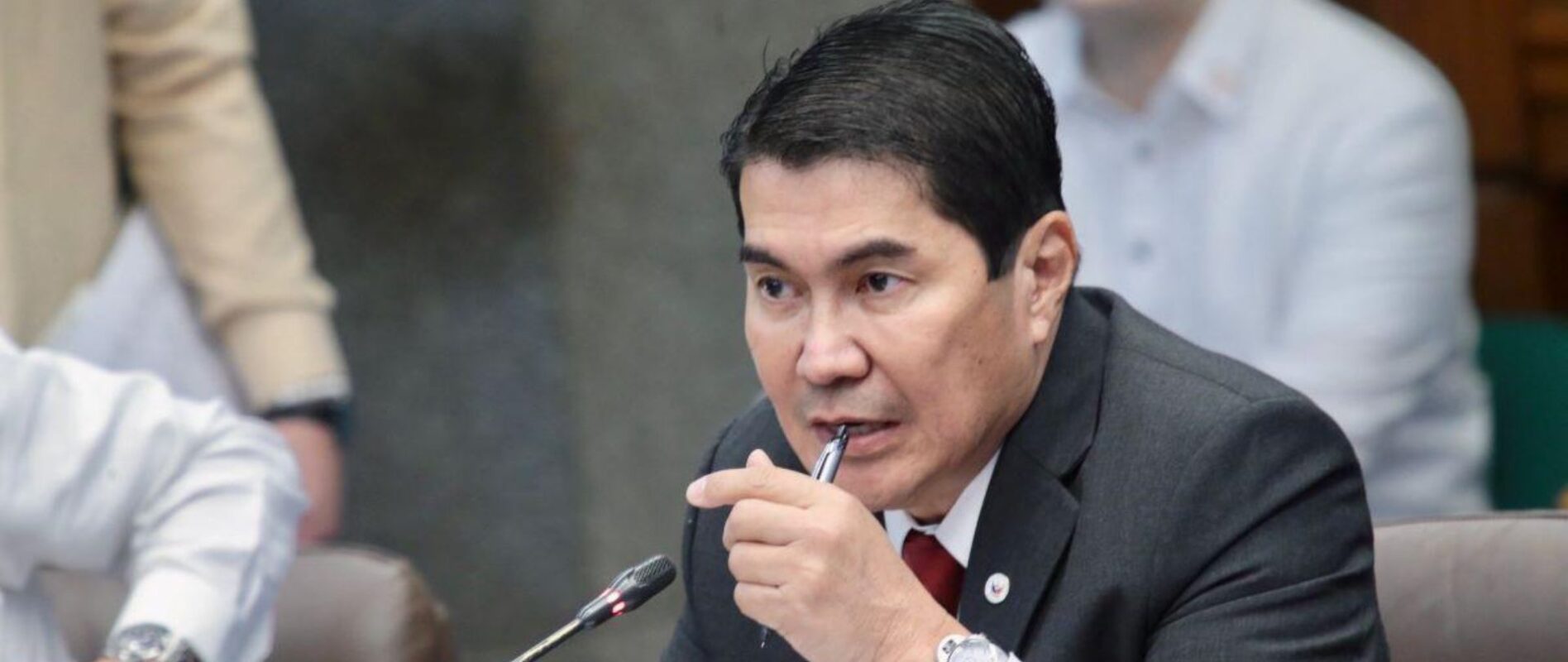
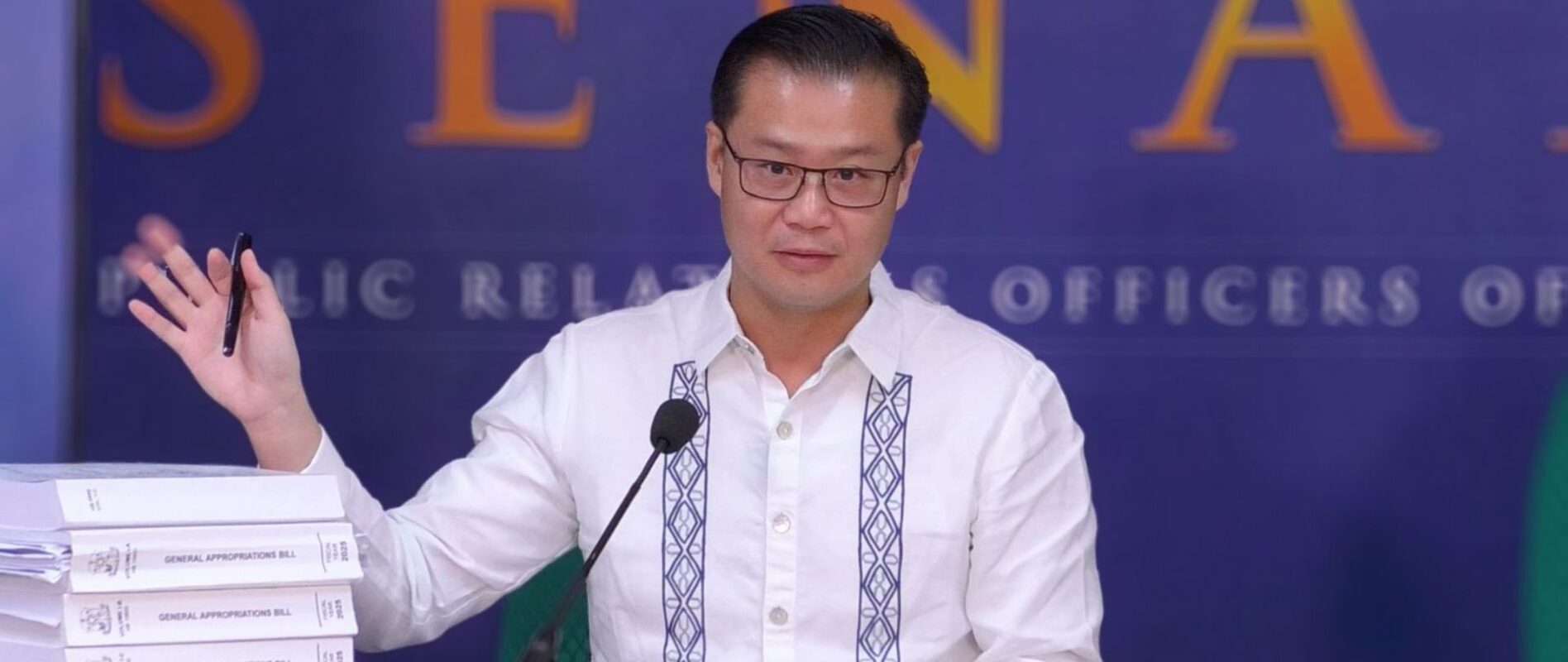
SENATOR Erwin Tulfo sought clarification from the Professional Regulation Commission (PRC) regarding licensure requirements for foreign graduates, particularly Filipinos who completed degrees abroad and intend to practice their professions in the Philippines.
During a Senate discussion on recognizing foreign academic credentials, Tulfo questioned how international conventions on degree recognition would affect graduates of non-board courses such as business, arts, and humanities.
He asked whether the PRC would verify credentials for non-regulated professions or if the responsibility would fall entirely on CHED.
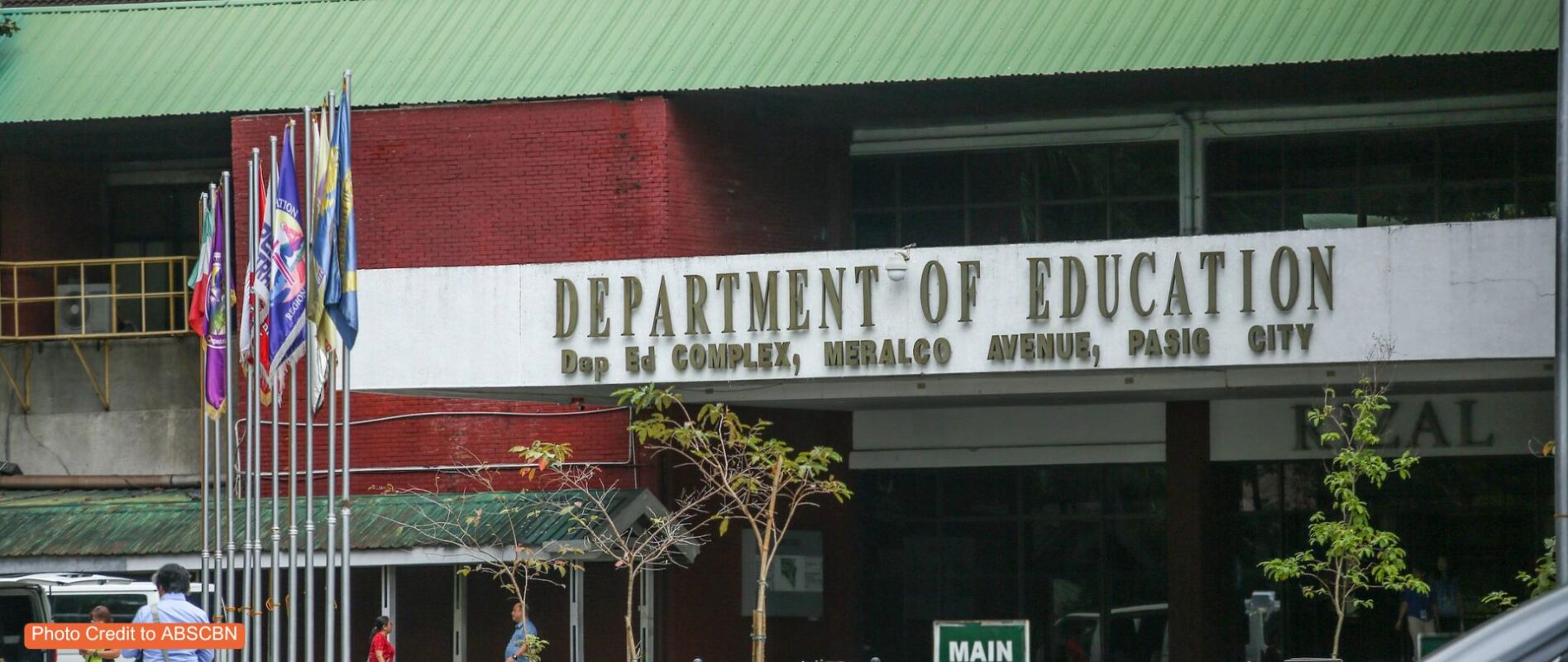
PRC representative Atty. Melisa Jane Yeachana clarified that non-regulated professions are outside the PRC’s jurisdiction.
“For non-regulated professions, under PRC mandates, it will not fall under our jurisdiction,” Yeachana said, adding that such matters are handled by CHED.
Tulfo also raised concerns regarding foreign degree holders in regulated professions such as engineering, nursing, medicine, and teaching. He asked if Filipinos who studied abroad — including children of overseas Filipino workers or immigrants — must undergo the full Philippine licensure process to practice locally.
Citing examples of graduates from countries like Australia, Dubai, and the United States, he inquired whether they would need local board examinations or bridging requirements to secure professional registration in the Philippines.
Yeachana responded that foreign-trained professionals generally must take the Philippine licensure examination if they intend to practice in the country permanently.
“The initial answer is yes, if the person would like to practice the profession here in the Philippines,” she said. “There is a means to take the licensure exam if they wish to practice on a permanent basis.”
Tulfo noted that while these requirements are commonly understood for fields like medicine, questions remain about how the rules apply to other professions such as law.