CHED TO INTEGRATE LABOR EDUCATION INTO HEI CURRICULUM

LABOR education will soon be integrated into the curriculum of higher education institutions (HEI) to ensure support and protection for the future workforce, the Commission on Higher Education (CHED) said on Wednesday.
This comes ahead of the national celebration of Labor Day, as the agency led the ceremonial signing of the Implementing Rules and Regulations (IRR) of Republic Act 11551, or An Act Integrating Labor Education in the Tertiary Education Curriculum, with the Department of Labor and Employment (DOLE) and Technical Education and Skills Development Authority (TESDA) at the CHED Office in Quezon City.
The law mandates the integration of labor education in the curriculum of HEIs and Technical-Vocational Institutions (TVIs) to ensure that labor rights, responsibilities, and workplace harmony are taught among students before their employment.
In a press conference, CHED Chairperson Shirley Agrupis said they are eyeing the rollout of the integration in the first semester of the upcoming academic year.
“For the freshmen na papasok sa (who will enter in the) incoming semester 2026 to 2027, i-integrate namin sa (we will integrate it in the) National Service Training Program as a special lecture,” she said.
Labor education can be integrated into General Education (GE) courses, elective courses, or as a stand-alone course, if applicable.
At least 12 instructional hours are expected under the rollout in HEIs, while at least eight instructional hours are expected under TVET short-term courses.
The IRR also outlines the provision of common modules, instructor/trainer qualification standards, and the inclusion of microcredentials for trainers, among others.
Agrupis said they are finalizing the modules necessary for its rollout among the second year to graduating levels, in coordination with partner agencies.
“DOLE and TESDA will develop a module in order to train as many trainers as possible para mai-cascade namin (so that we can cascade it),” she said.
For its part, the TESDA will come up with microcredentials packages while the CHED technical panel will decide on how to embed it to GE courses.
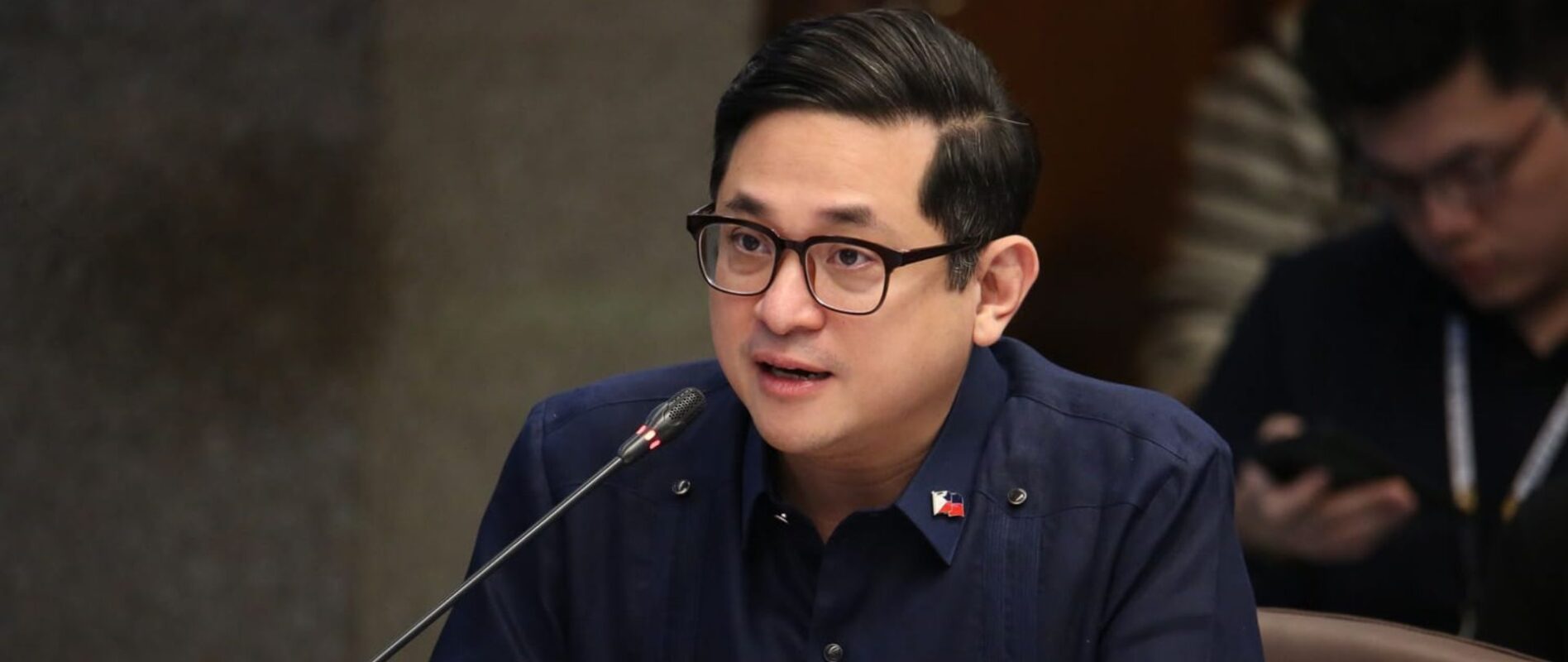
“Part of it is because the GE curriculum of CHED is actually undergoing transition as well, so trying to strategize the most efficient way to ensure that the learning outcomes as dictated by the law can be embedded across the curriculum,” TESDA Secretary Jose Francisco “Kiko” Benitez said.
He, however, said the repackaging might take about two to three months and may be rolled out for the second semester.
“‘Yung sa microcredentials (For microcredentials), we are solidifying the modules with the UP School of Labor Relations,” he said in a separate ambush interview.
DOLE Undersecretary Benedicto Ernesto Bitonio Jr. said the rollout will show how “productivity, respect, and fairness” will be upheld both among employers and graduates.
“Labor education is not just about knowing rights, it is also about understanding duties and responsibilities,” he said.
Under the IRR, the DOLE will help advance labor empowerment and career guidance conferences.
In the long run, employers will also be strengthened with a future workforce that is “more aware, more prepared, and more capable” for constructive engagement and development, Benitez said. (PNA)