SOLON SEEKS PROBE ON QUAKE-HIT SCHOOLS, NATIONWIDE AUDIT OF UNSAFE CLASSROOMS
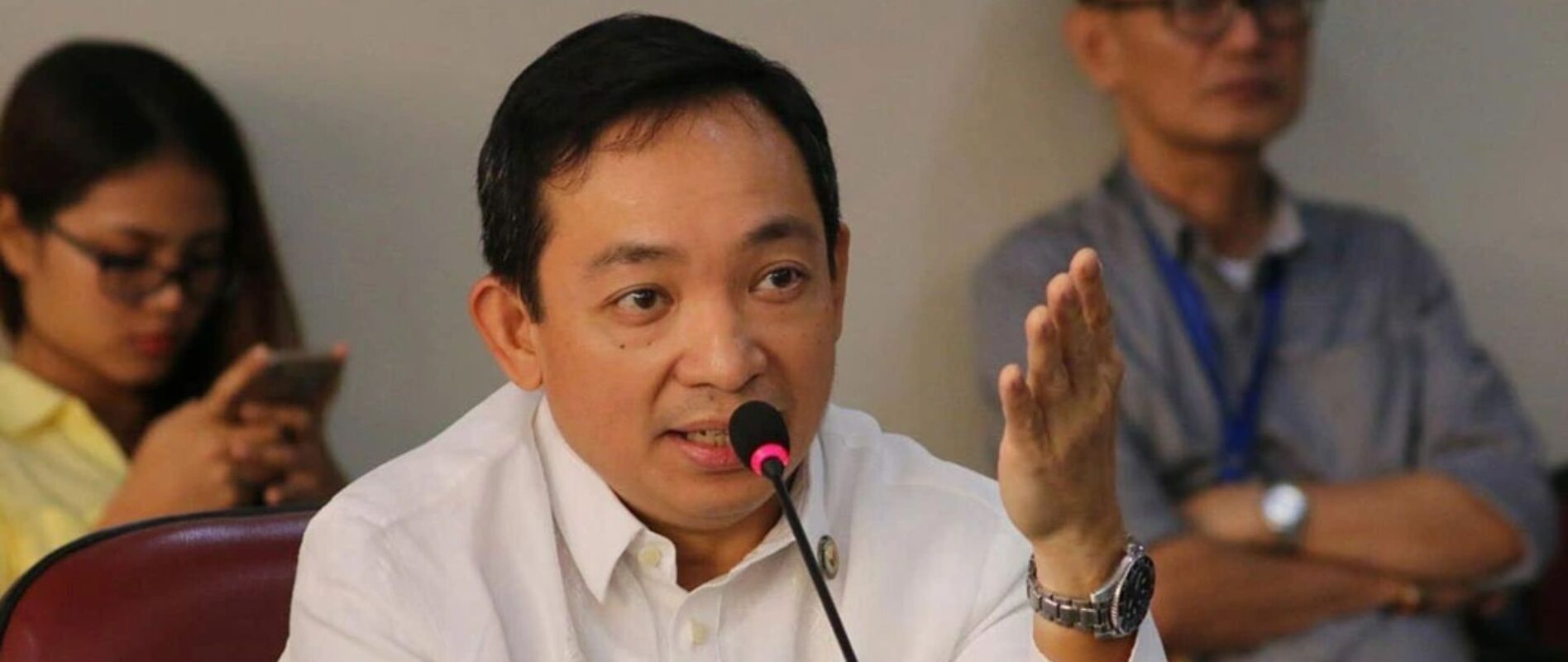
HOUSE Deputy Minority Leader Antonio Tinio has filed a resolution calling for a congressional inquiry into the impact of the June 8 magnitude 7.8 earthquake on public schools in Mindanao, along with a nationwide audit of aging and potentially unsafe school buildings.
In House Resolution No. 1123, Tinio urged the House of Representatives to assess the extent of damage to public school infrastructure, review the disaster response of the Department of Education and other government agencies, and examine measures to ensure the continuity of quality education for affected learners.
The resolution was co-authored by Gabriela Women’s Party Representative Sarah Jane Elago and Kabataan Party-list Representative Renee Louise Co.
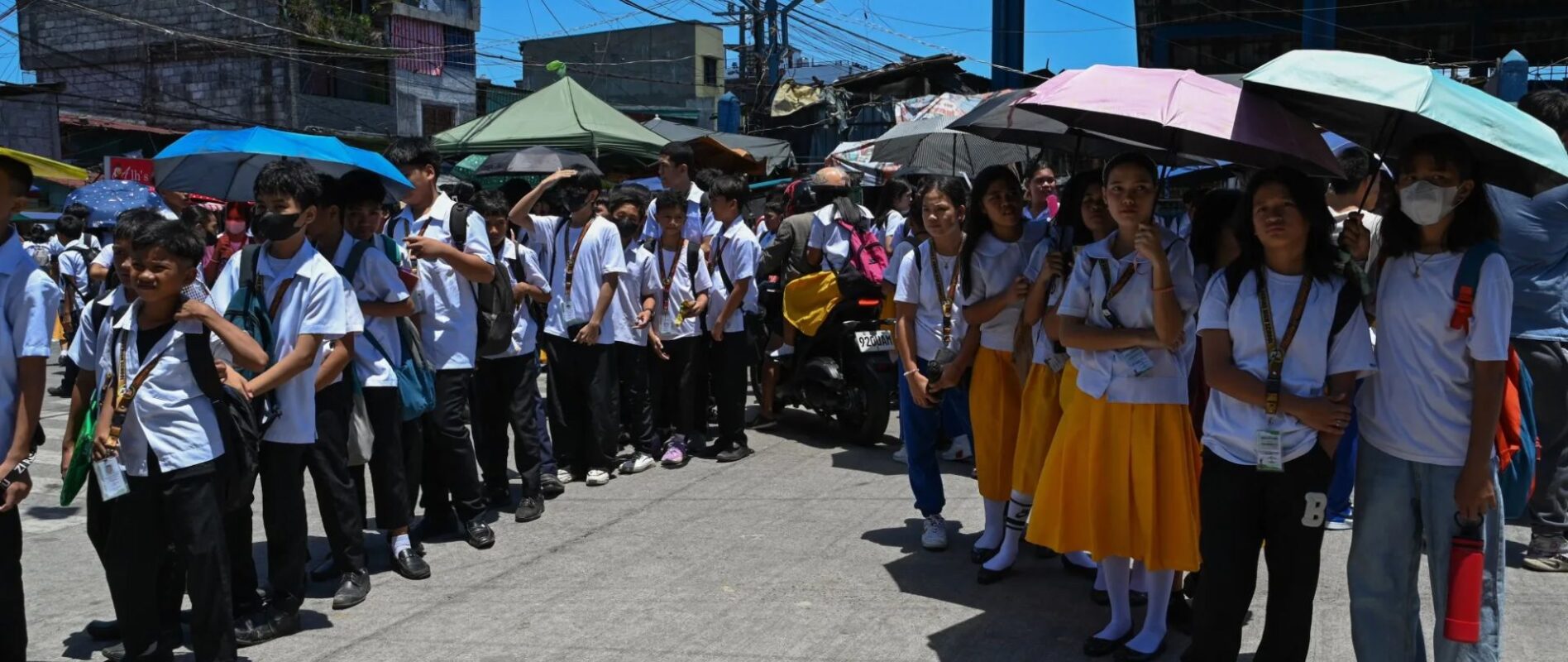
Tinio said the earthquake damaged 1,378 public schools across six regions in Mindanao, affecting around four million learners and more than 156,000 teachers and education support personnel.
Initial assessments showed that 1,588 classrooms were totally destroyed, while 1,774 sustained major damage. At least P245.8 million is needed for repairs.
“This earthquake has exposed what many of us have long warned about: our school infrastructure is crumbling and our children are at risk,” Tinio said. “We need a comprehensive audit of every public school in the country to determine which structures are safe and which are disasters waiting to happen.”
He cited reports of a condemned building collapsing at Matanao National High School in Davao del Sur and a makeshift structure giving way at Mahayahay Elementary School in Davao Occidental, warning that such incidents could have resulted in significant casualties.
“The fact that children and teachers are taking shelter in condemned buildings or makeshift structures speaks volumes about the state of our educational infrastructure,” he said, adding that the issue goes beyond earthquake damage and reflects long-standing gaps in government investment in school facilities.
The lawmaker also raised concerns over prolonged class suspensions in affected areas.
As of June 10, a total of 4,364 classes had been suspended, with several school divisions remaining closed until further notice.
Tinio warned that extended disruptions could worsen learning gaps, particularly in Mindanao, where literacy challenges remain severe.
He cited data from the Comprehensive Rapid Literacy Assessment showing that 75.6 percent of students in Tawi-Tawi are classified as struggling readers.
“Online and distance learning have proven ineffective, especially for struggling readers and in areas with poor digital infrastructure,” Tinio said. “The government’s response should prioritize the rapid restoration of safe face-to-face learning.”
The resolution also cited findings from the Second Congressional Commission on Education, which reported that 51,222 classrooms nationwide are at least 50 years old and are scheduled for condemnation by 2028. Another 2,335 classrooms have already been destroyed by earthquakes, typhoons, and other disasters.
Tinio said the Mindanao earthquake underscores a broader national issue involving aging and vulnerable school infrastructure.
He called for immediate action, including a nationwide structural audit of public schools, a transparent review of DepEd’s disaster response and coordination efforts, and a concrete plan to restore in-person classes while addressing learning losses among affected students.
“The government must prioritize the safety and education of our children,” Tinio said. “Our students cannot wait—and they cannot learn in buildings that may collapse on them.”
He also urged the government to allocate sufficient funding for school repairs and implement long-term measures to ensure safe and quality learning environments nationwide.