SENATOR PUSHES URGENT EDUCATION REFORMS
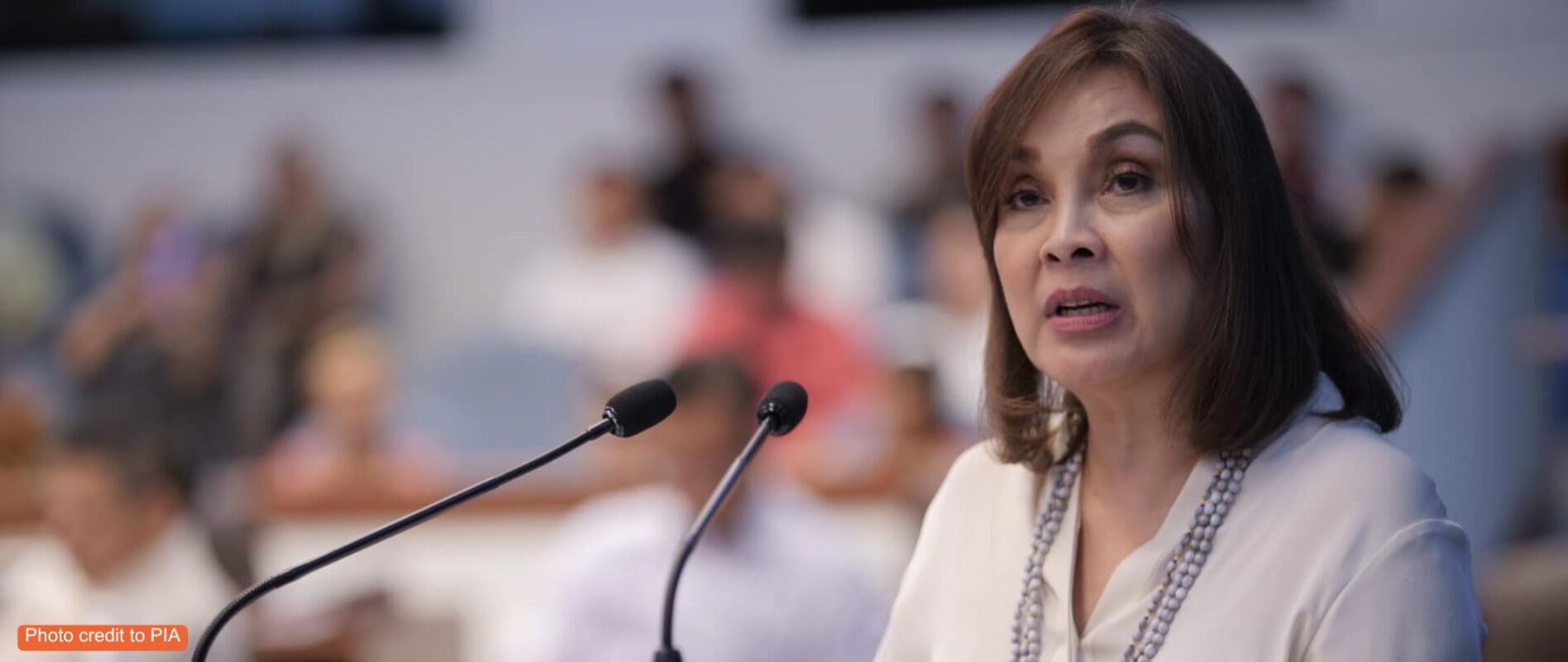
SENATE President Pro Tempore Loren Legarda, chairperson of the Senate Committee on Basic Education, is pushing a series of reforms aimed at strengthening the country’s education system.
Among the proposed measures are the optimization and rationalization of Schools Division Offices (SDOs), modernization of the Adopt-a-School Program to attract stronger private sector and community support, establishment of a national K to 3 framework to address the country’s literacy crisis, and creation of a National Coordinating Council for Education to align policies and budgets across the education sector.
The committee’s public hearing on June 2 gathered key government agencies, academic institutions, civil society groups, and education advocates to discuss reforms needed to improve basic education in the country.
“I have called this hearing to examine several measures that address critical and interconnected challenges within our education system, from governance and service delivery to foundational learning and stakeholder participation. We are hearing these measures together because they all seek to strengthen the foundations of Philippine education,” Legarda said.
The proposed Creation and Rationalization of Schools Division Offices bills seek to amend Republic Act No. 9155, allowing the Department of Education (DepEd), in coordination with the Department of Budget and Management (DBM), to reorganize divisions and establish additional SDOs based on objective criteria. The measure would ensure at least one SDO in every province and city while easing congestion in large divisions.
Legarda said the reform is long overdue, noting that without such authority, even the most capable DepEd secretary cannot legally decongest workloads in heavily burdened divisions.
Meanwhile, the proposed amendments to the Adopt-a-School Act seek to modernize the 1998 law by expanding its coverage to Early Childhood Care and Development (ECCD), Alternative Learning System (ALS), Technical-Vocational Education and Training (TVET), and higher education. The measure also proposes a one-stop online portal and broader tax incentives to encourage greater private sector participation.
Legarda stressed that updating the law is necessary to mobilize stronger partnerships from businesses and communities in improving educational outcomes.
The proposed K to 3 Foundational Learning and Nurturing Care Act aims to establish a national program focused on literacy, numeracy, and socio-emotional development in the early grades.
Citing data from the Second Congressional Commission on Education (EDCOM II), based on DepEd’s National Achievement Test results in 2023 and 2024, Legarda noted that only 31 percent of Grade 3 learners were considered proficient. By Grade 12, the proficiency rate drops sharply to just 0.4 percent.
As EDCOM II co-chair, Legarda emphasized the need to address the literacy crisis at its roots by ensuring that children develop reading and learning skills during their formative years, supported by health and nutrition interventions as well as culturally relevant learning materials.
The proposed National Coordinating Council for Education would establish a high-level body under the Office of the President tasked with aligning the policies and budgets of DepEd, the Commission on Higher Education (CHED), and the Technical Education and Skills Development Authority (TESDA). The measure seeks to address fragmentation in the country’s trifocalized education system and rationalize more than 200 existing interagency councils.
Legarda expressed cautious support for the proposal, saying effective coordination is necessary but cautioning against creating another layer of bureaucracy unless existing councils are consolidated under a single body.
“We must confront the root cause of the learning crisis. Strengthening governance, modernizing partnerships, and securing foundational learning are urgent responsibilities to ensure that Filipino children can truly read, learn, and thrive,” she said.
Legarda said the committee will further refine the proposed measures through a series of Technical Working Group meetings, where stakeholders and resource persons will provide additional recommendations and technical inputs.
She also committed to shepherding the reforms through the legislative process until they are enacted into law.