HOUSE APPROVES EXPANDED NATIONAL NUTRITION PROGRAM FOR LEARNERS ON SECOND READING
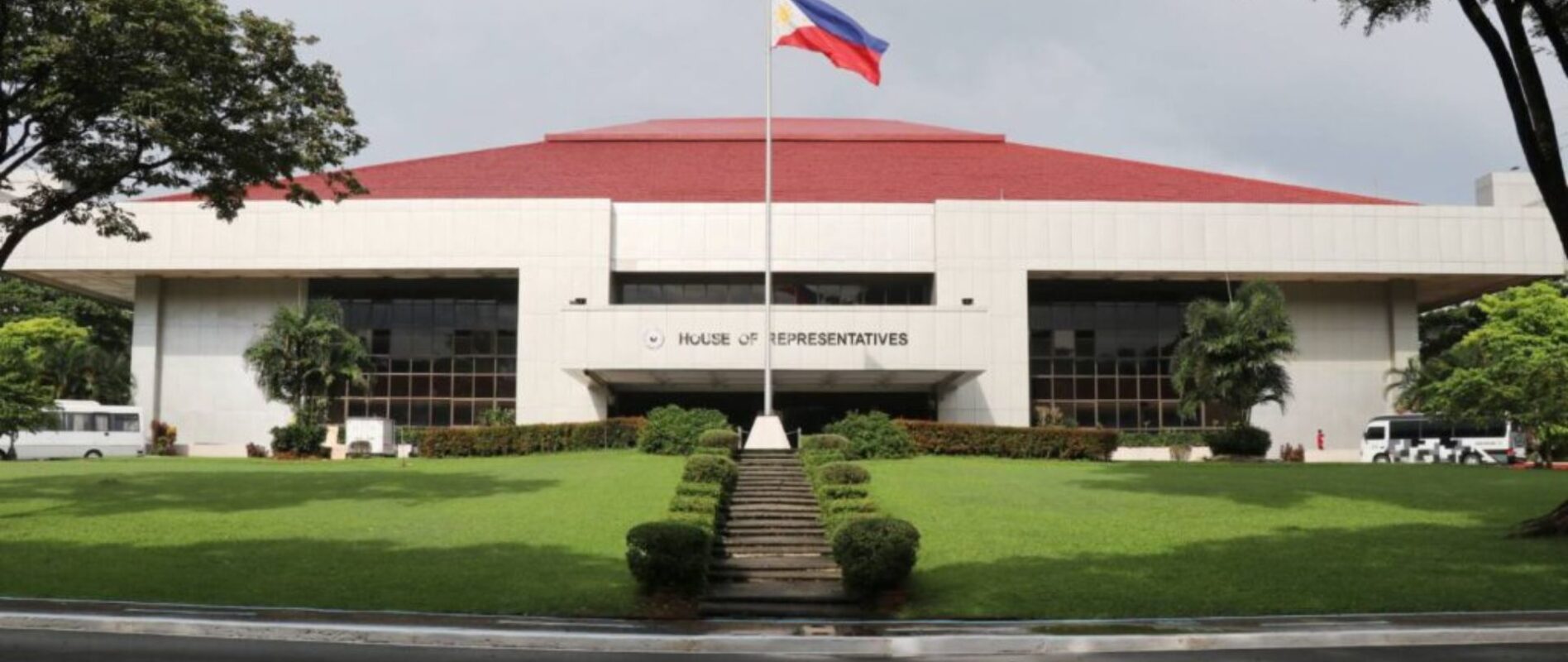
THE HOUSE of Representatives has approved on second reading a measure seeking to transform the government’s school feeding program into a broader national nutrition initiative that would benefit Filipino learners from early childhood through senior high school.
House Bill No. 9466 seeks to strengthen and expand Republic Act No. 11037, or the Masustansyang Pagkain Para sa Batang Pilipino Act, by establishing a more comprehensive and nutrition-centered approach to addressing hunger and undernutrition among learners.
The bill, identified as a priority measure of the Legislative-Executive Development Advisory Council (LEDAC), was principally authored by House Speaker Ferdinand Martin G. Romualdez and House Committee on Basic Education and Culture Chairman Roman Romulo, with the support of 86 co-authors.
During the sponsorship of the measure, Romulo underscored the continuing impact of hunger and poor nutrition on the education and overall development of Filipino children, particularly those living in vulnerable communities.
“For many of our learners, especially those in vulnerable communities, the classroom is difficult to navigate on an empty stomach. A child who is hungry cannot concentrate. A child who is undernourished struggles to grow, to learn, and to thrive,” Romulo said.
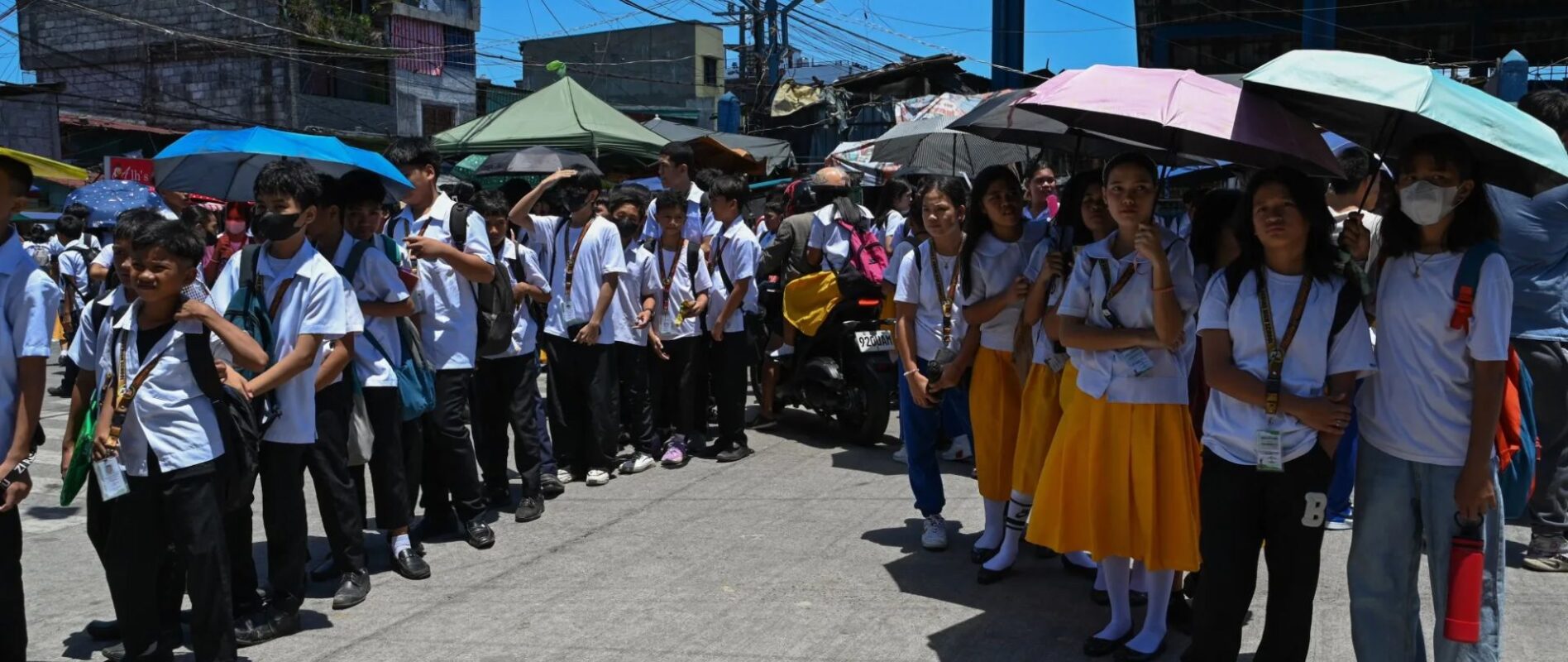
Under the proposed legislation, feeding assistance will be expanded to cover all learners from Kindergarten to Grade 3, as well as undernourished students from Grades 4 to 12. The number of feeding days will also be increased from the current program coverage to 200 days annually.
The measure likewise extends support to nutritionally at-risk pregnant learners, children with disabilities, indigenous learners, and other marginalized sectors.
Romulo said the proposal aims to move beyond the traditional concept of a feeding program by adopting a long-term, integrated, and multi-sectoral nutrition strategy.
“This measure recognizes that nutrition is not a one-time intervention. It is a continuing, integrated, and multi-sectoral responsibility,” he said.
The bill introduces a range of interventions designed to address micronutrient deficiencies, improve food quality, support child development and maternal nutrition, promote sanitation and health education, and strengthen local food sustainability initiatives.
A key provision of the measure is the enhancement of the milk feeding program through the prioritization of locally produced fresh milk and dairy products sourced from Filipino farmers and cooperatives.
According to Romulo, the initiative will not only improve the nutritional status of children but also create livelihood opportunities and help spur the growth of the local dairy industry.
The proposal also mandates that at least 30 percent of agricultural and fishery products used in the program be procured directly from local farmers and fisherfolk, particularly small-scale producers.
“This is not merely a feeding program. It is also an economic intervention that uplifts rural communities and strengthens food security,” Romulo said.
In addition to meal provision, the bill includes micronutrient supplementation, iron and folic acid interventions, deworming programs, sanitation and hygiene initiatives, nutrition education campaigns, and the establishment of central kitchens to improve food safety and meal distribution.
Romulo emphasized that the measure should be viewed not as a government expense but as a strategic investment in the nation’s future.
“This bill is therefore not merely an expenditure. It is a strategic national investment,” he said. “An investment in healthier children. An investment in stronger communities. An investment in a more productive and resilient Philippines.”