EDCOM 2: SMALLER CLASS SIZES IMPROVE LEARNING, SAFETY IN ARAL PROGRAMEDCOM 2: SMALLER CLASS SIZES IMPROVE LEARNING, SAFETY IN ARAL PROGRAM
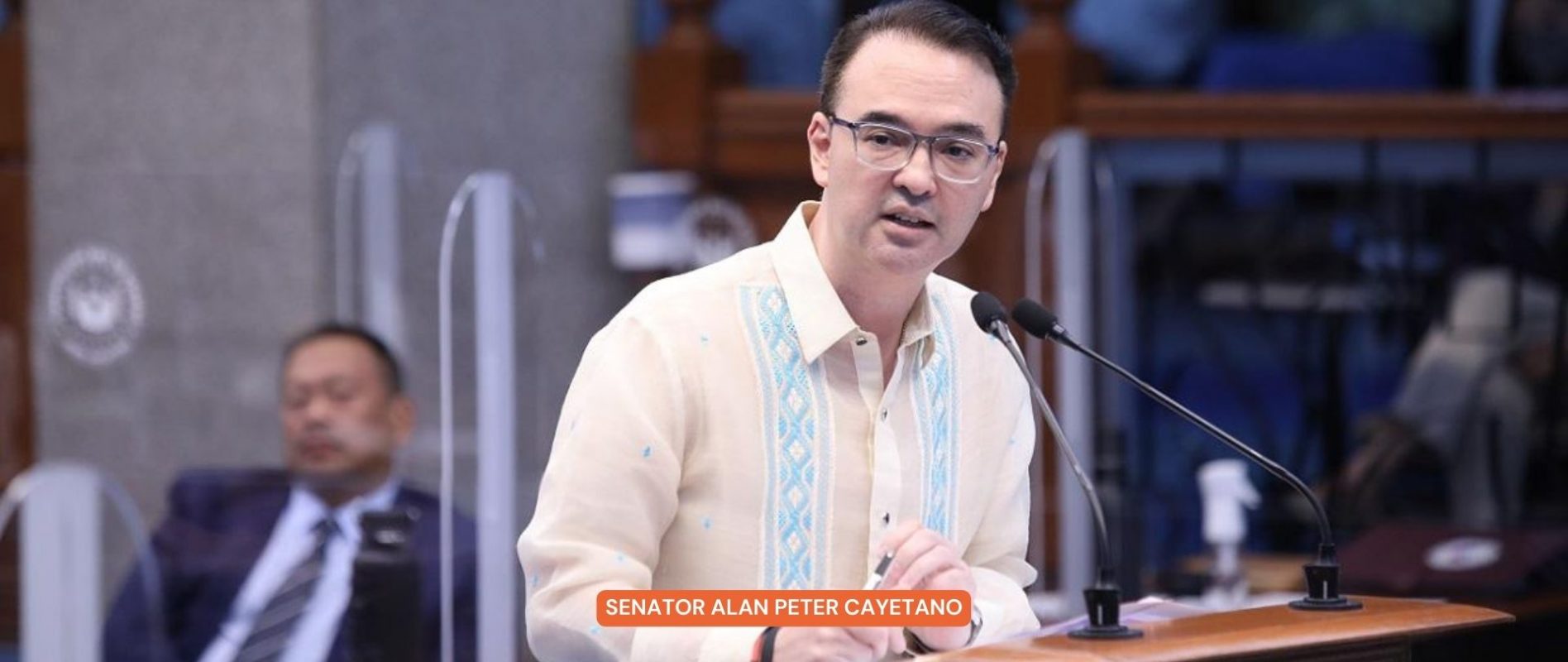
SMALLER class sizes under the government’s Academic Recovery and Accessible Learning (ARAL) Summer Program are helping students learn more effectively while fostering a safer and more supportive school environment, according to feedback gathered by the Second Congressional Commission on Education (EDCOM 2).
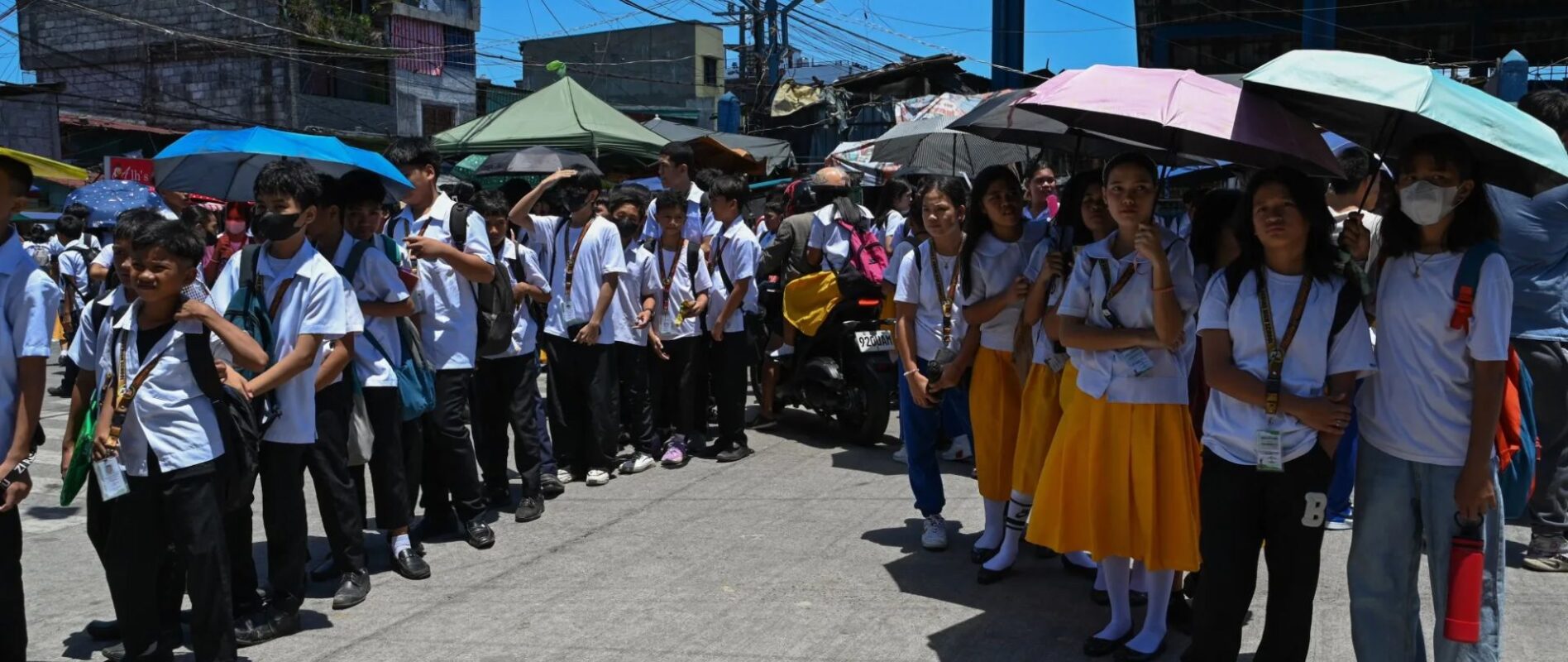
EDCOM 2 conducted a focus group discussion on May 28 with junior high school students from President Corazon C. Aquino High School in Manila’s Port Area to assess the implementation of the ARAL Program and identify challenges affecting learners.
Students from Grades 8 to 10 shared troubling experiences during the regular school year, citing overcrowded classrooms, bullying, and disruptive behavior that hinder both learning and safety.
Learners described their regular classes as noisy and chaotic, with incidents of bullying, physical aggression, theft of personal belongings, and verbal harassment occurring inside the school.
Some students said they were mocked because of their gender, while others experienced humiliation after making mistakes while reading aloud in class.
Several learners disclosed that bullying often escalates into physical violence, with some becoming targets of coordinated attacks by classmates. The fear of retaliation has reportedly caused some students to miss school for days.
One student said there was little sense of safety within the school, adding that conditions outside the campus were even more concerning. Others shared that participating in classroom activities often exposed them to ridicule, discouraging them from actively engaging in lessons.
Students also reported experiencing cyberbullying, including the unauthorized posting of photos and videos on social media platforms.
Despite these concerns, many learners admitted they are hesitant to report incidents because interventions have had limited impact. According to the students, disciplinary measures often fail to change the behavior of bullies and, in some cases, even worsen conflicts.
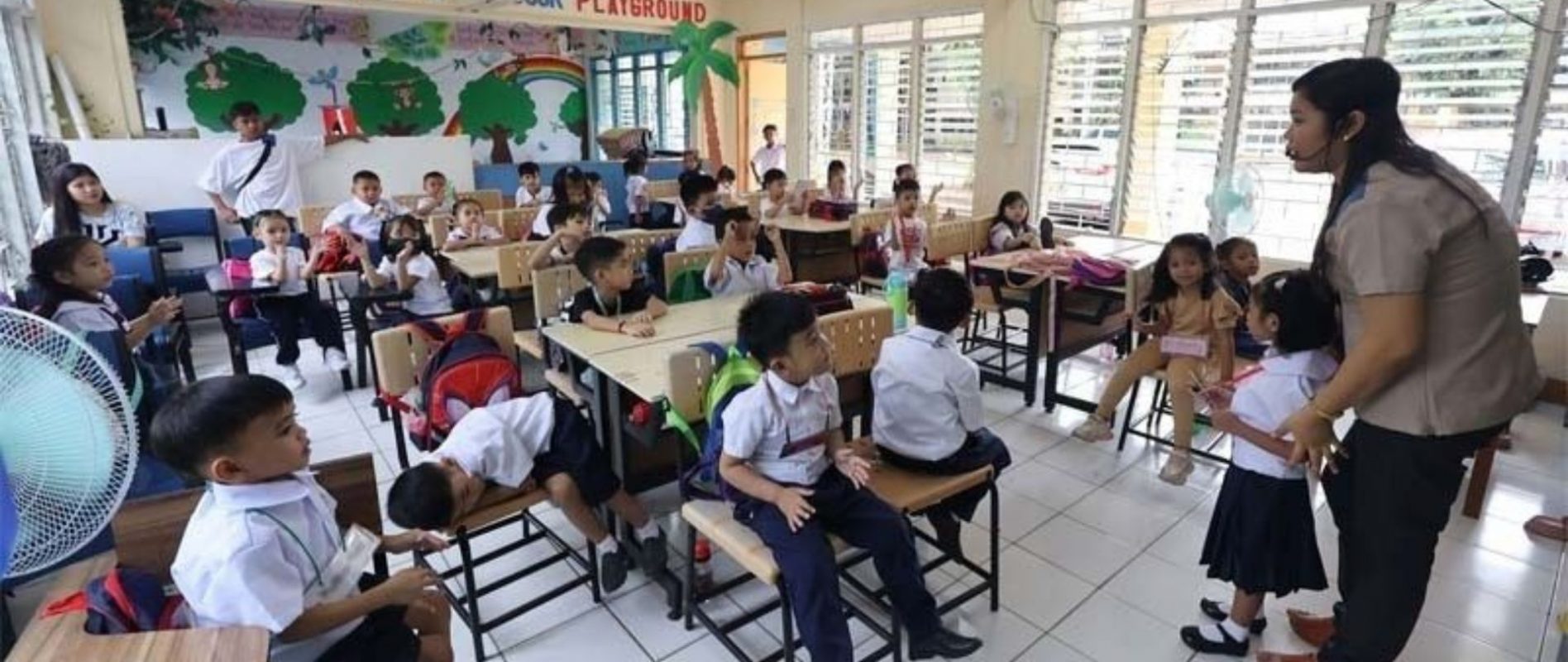
In contrast, participants praised the ARAL Summer Program for providing a more conducive learning environment. While regular classes in their school can accommodate as many as 60 students, ARAL classes are limited to a maximum of 10 learners.
Students said the smaller class sizes allow them to focus better, understand lessons more easily, and ask questions without fear of embarrassment or ridicule.
Beyond bullying, learners also raised concerns about overcrowded facilities, poor ventilation, and extreme heat, which they said negatively affect concentration and learning. Many expressed the need for additional electric fans or air-conditioning units to improve classroom conditions.
Students likewise pointed to scheduling challenges brought about by congestion, with some classes beginning as early as 5:30 a.m. to accommodate the school’s large student population.
EDCOM 2 Executive Director Karol Mark Yee said the findings underscore that students face challenges extending beyond academics.
“The experience of the students in Baseco, Tondo, teaches us that our students are struggling not simply due to academic challenges, but because of various factors, including bullying,” Yee said.
He emphasized that as the ARAL Program continues to be refined, policymakers must ensure that schools provide not only academic support but also safe learning environments that promote students’ physical and psychological well-being.
Dr. Therese Bustos, former dean of the University of the Philippines College of Education and a member of the EDCOM Standing Committee, said teachers should be equipped with strategies that reduce the stigma associated with learning difficulties.
She added that individualized and one-on-one support for struggling learners can help improve academic outcomes while fostering a more inclusive and supportive school environment.