4Ps STUDENTS TO GET PRIORITY ACCESS TO COLLEGE SUBSIDIES UNDER PROPOSED UAQTEA AMENDMENTS

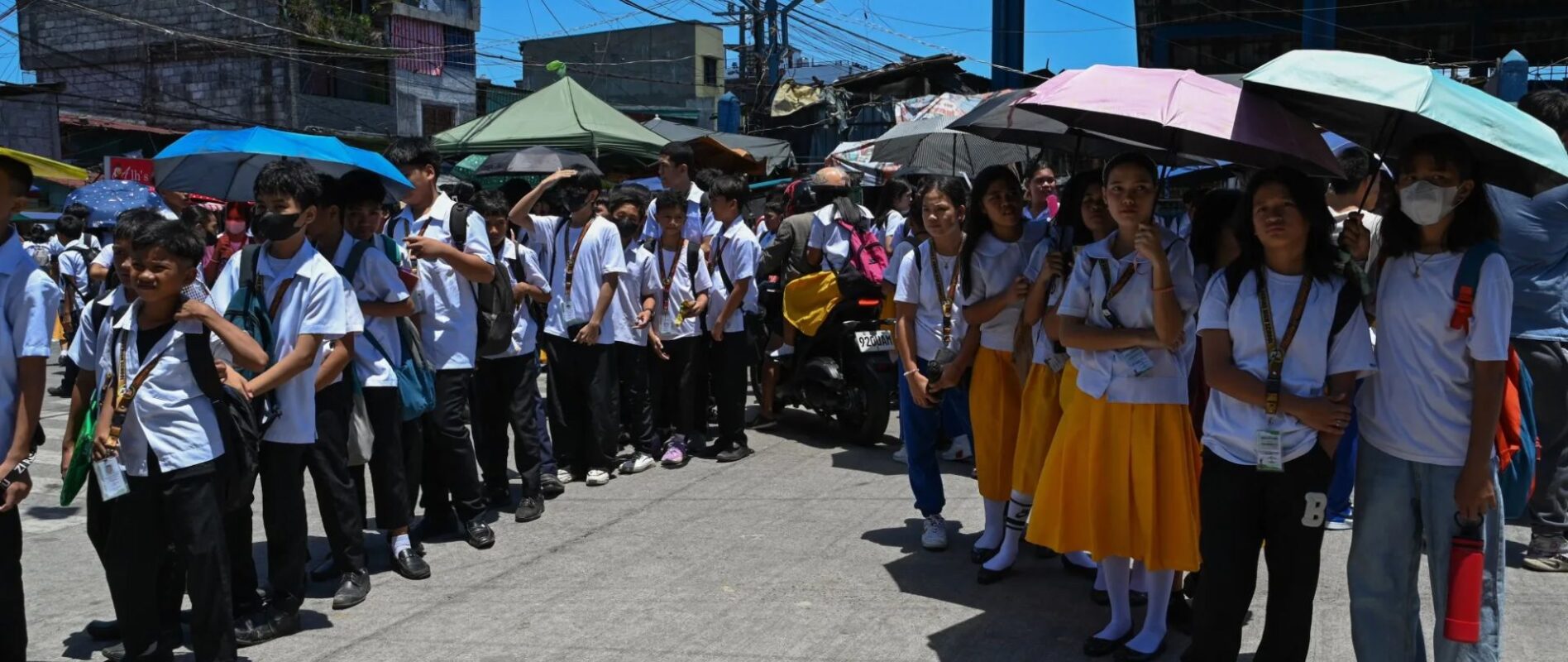
STUDENTS from families enrolled in the Pantawid Pamilyang Pilipino Program (4Ps) will be given top priority in receiving government tertiary education subsidies under proposed amendments to the Universal Access to Quality Tertiary Education Act (UAQTEA), following the approval of the measure by the bicameral conference committee on Monday.
The reconciled bill seeks to strengthen Republic Act No. 10931 by expanding financial assistance for disadvantaged learners and ensuring that all 4Ps graduates admitted to government-recognized technical-vocational education and training (TVET) institutions or higher education institutions are eligible for the Tertiary Education Subsidy (TES).
The proposal was crafted in response to findings by the Second Congressional Commission on Education, which showed that while the Free Higher Education Law has helped increase college participation among low-income families, the TES program has increasingly failed to reach its intended beneficiaries.
According to EDCOM 2’s final report, the proportion of TES recipients coming from the poorest households dropped sharply from 70.73 percent in 2018 to only 22.89 percent in 2022.
The report also found that just 4,746 of the 384,388 senior high school graduates from 4Ps households, or 1.23 percent, were able to access TES as first-year beneficiaries during Academic Year 2024-2025.
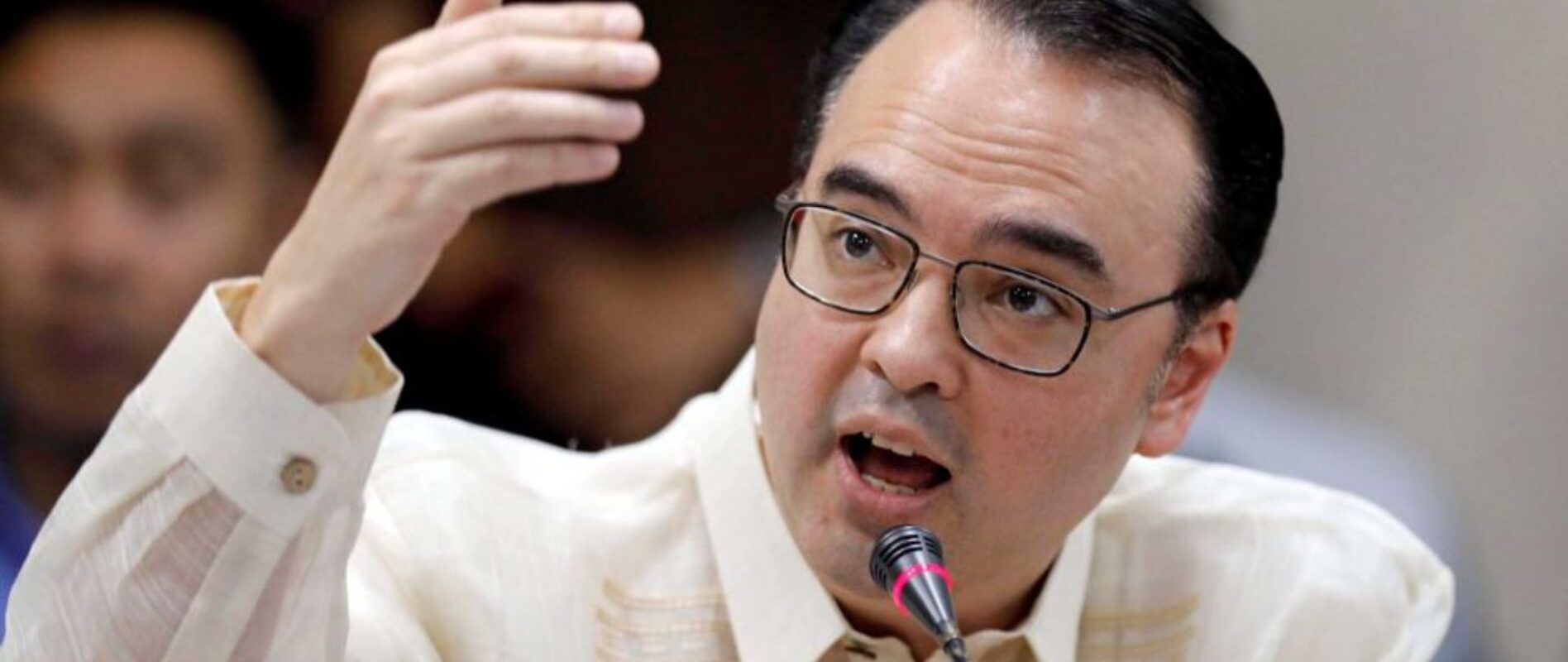
EDCOM 2 Co-Chairperson Roman Romulo said the findings highlight the gap between the promise of free tertiary education and the reality faced by many poor students.
“The commitment, the promise to the Filipino poor but deserving students especially those in the 4Ps program is but an illusion. Php 20,000 a year is impossible to make. So unahin muna natin sana yung 4Ps to be able to give them a TES amount sufficient to be able to finish a year,” Romulo said.
The EDCOM 2 report likewise noted that the size of the subsidy directly affects students’ ability to complete their studies.
In 2022, TES grants were reduced from P60,000 annually for students enrolled in private higher education institutions and P40,000 for those attending state and local universities and colleges to a uniform P20,000 per year. Although assistance for students in private institutions was later partially restored, EDCOM 2 warned that inadequate support increases the likelihood of students dropping out.
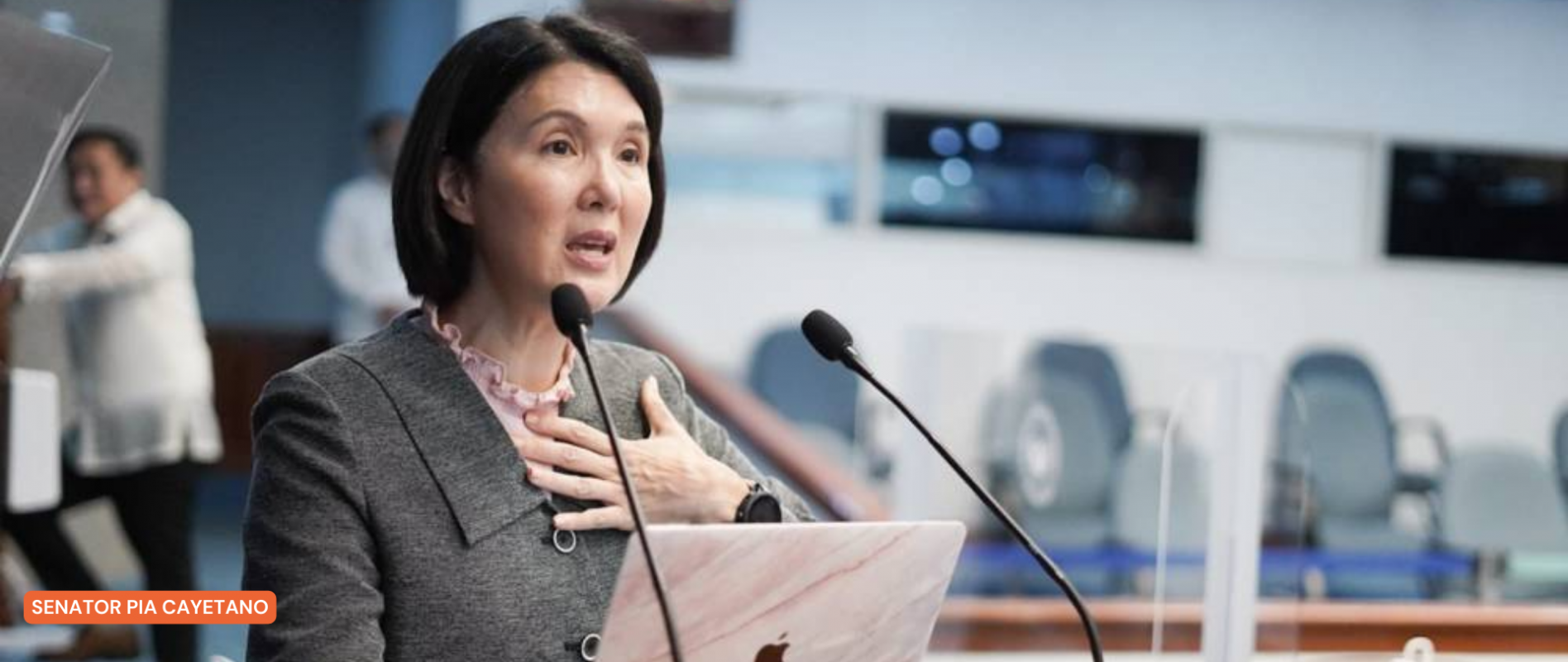
EDCOM 2 Co-Chairperson Loren Legarda said current subsidy levels no longer reflect the actual cost of pursuing higher education.
“Even the amount that you mentioned, it’s no longer realistic,” Legarda said, referring to the present TES grant. “We need to ensure that learners from 4Ps households are given top priority in the grant of tertiary education subsidy.”
The bicameral panel also approved the creation of a Private Education Assistance Program aimed at supporting students enrolled in private higher education institutions and technical-vocational schools.
Under the proposal, students taking government-identified priority courses in private institutions will receive financial assistance from the government.
EDCOM 2 Co-Chairperson Jude Acidre said the measure recognizes the important role of private institutions in expanding access to tertiary education.
“At the center of our work is the expansion of the tertiary education subsidy. We also proposed a private education subsidy for students enrolled in private higher education institutions comparable to the free higher education enjoyed by students in state universities and colleges,” Acidre said.
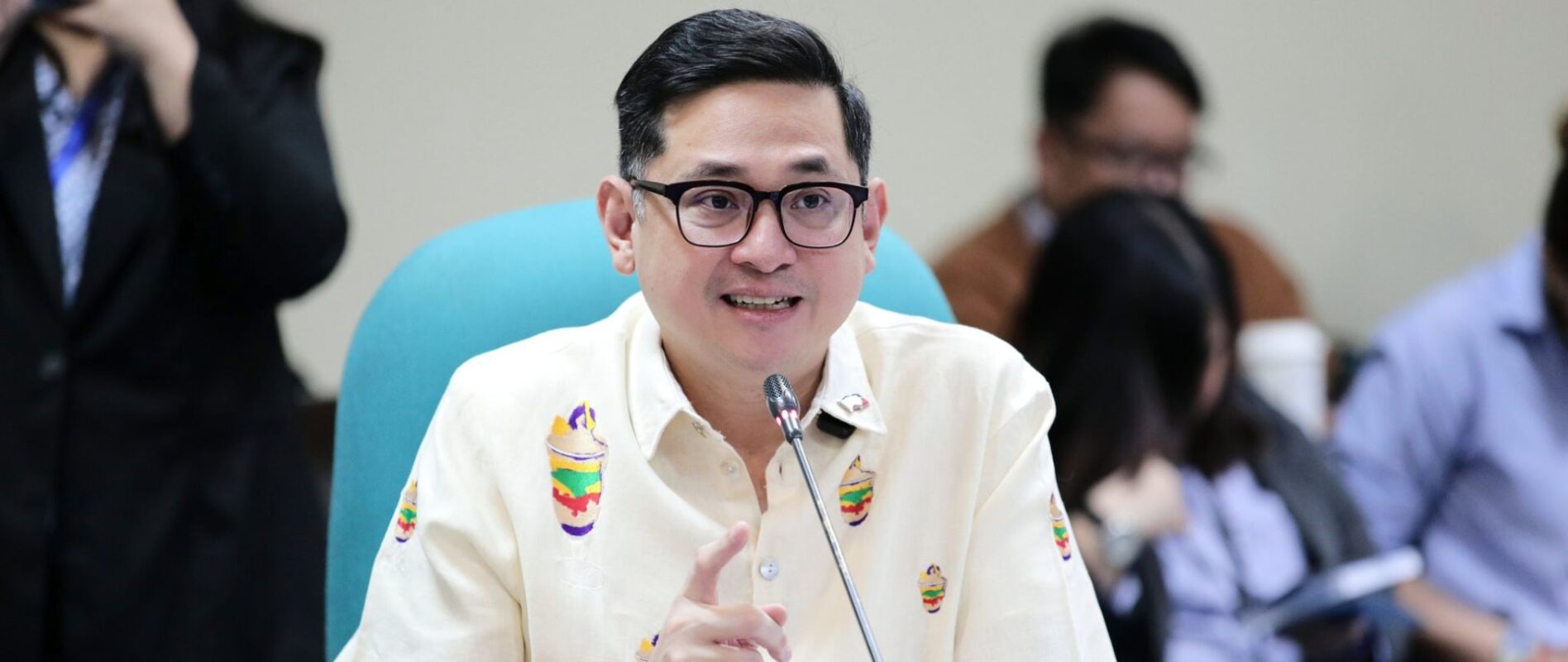
Meanwhile, Bam Aquino, an EDCOM 2 commissioner and principal author of the original Free Tertiary Education Law, said support for private school students was always part of the law’s intended framework.
“When we were drafting 10931, there was a commitment to also support the private schools with the free college law,” Aquino said. “We are in support of this provision so we can go back to the original intent, which is to support our students in public and private universities with assistance for their college tuition.”
The reconciled measure now awaits ratification by both chambers of Congress before being transmitted to the President for approval and possible enactment into law.