NUSP BLAMES GOVERNMENT NEGLECT, UNDERFUNDING FOR LEARNING CRISIS

THE NATIONAL Union of Students of the Philippines (NUSP) has rejected claims that weather-related class suspensions could worsen the country’s learning crisis, saying government neglect and inadequate funding are the deeper causes of declining education quality.
The group issued the statement following EDCOM 2 Executive Director Dr. Karol Mark Yee’s warning that repeated class suspensions due to inclement weather could further disrupt student learning.
NUSP maintained that suspending classes during severe weather conditions is necessary to protect students, teachers, and other school personnel, particularly when flooding and dangerous transportation conditions pose risks to their safety.
The group said students and teachers should not be expected to endanger themselves simply to meet academic targets, especially as the education sector continues to grapple with deteriorating school facilities, heavy teacher workloads, inadequate compensation, and insufficient student support services.
NUSP also criticized proposed reductions in education funding under the 2027 National Expenditure Program, saying these could further strain an already underfunded education system.
The student organization likewise raised concerns over cost-cutting measures in some private schools and universities, including hybrid learning arrangements and course consolidations that could result in larger class sizes.
At the same time, NUSP questioned the proposed increase in funding for infrastructure projects, warning that such allocations could become vulnerable to corruption and so-called ghost projects.
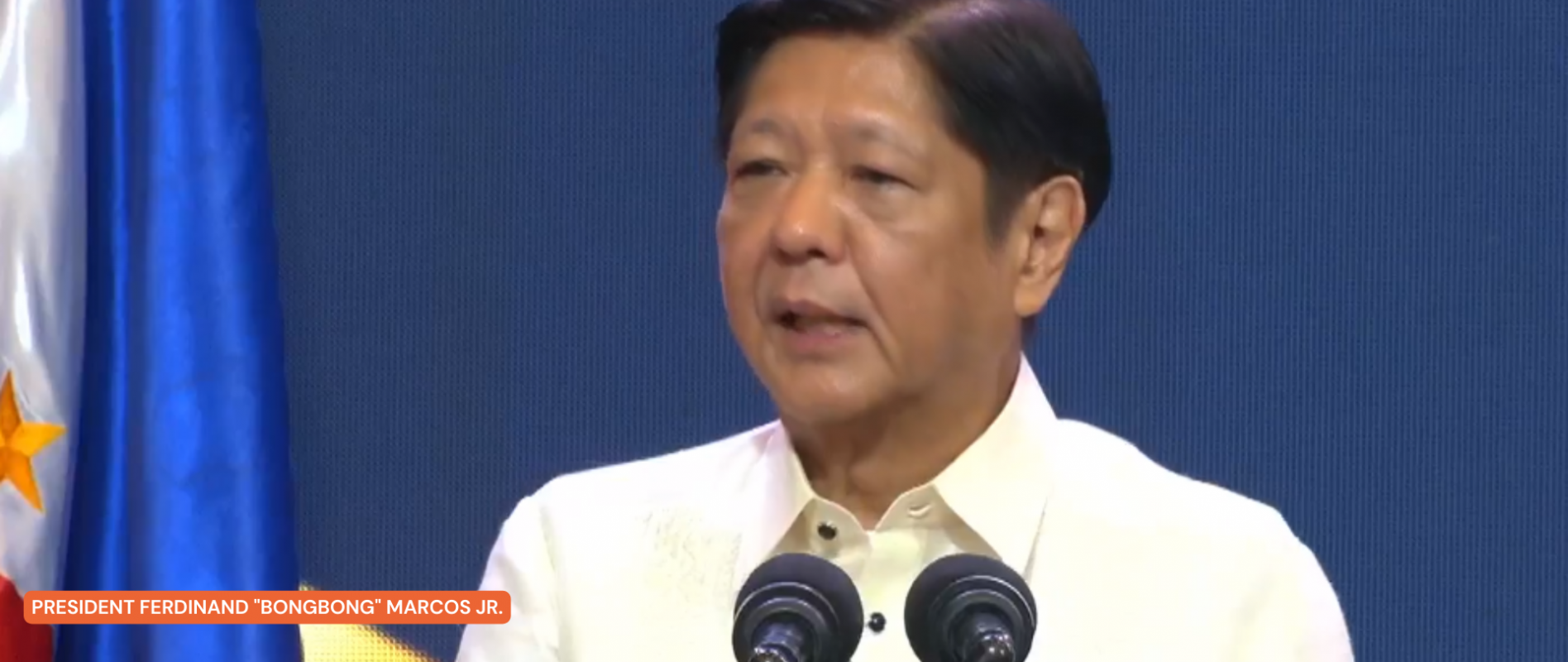
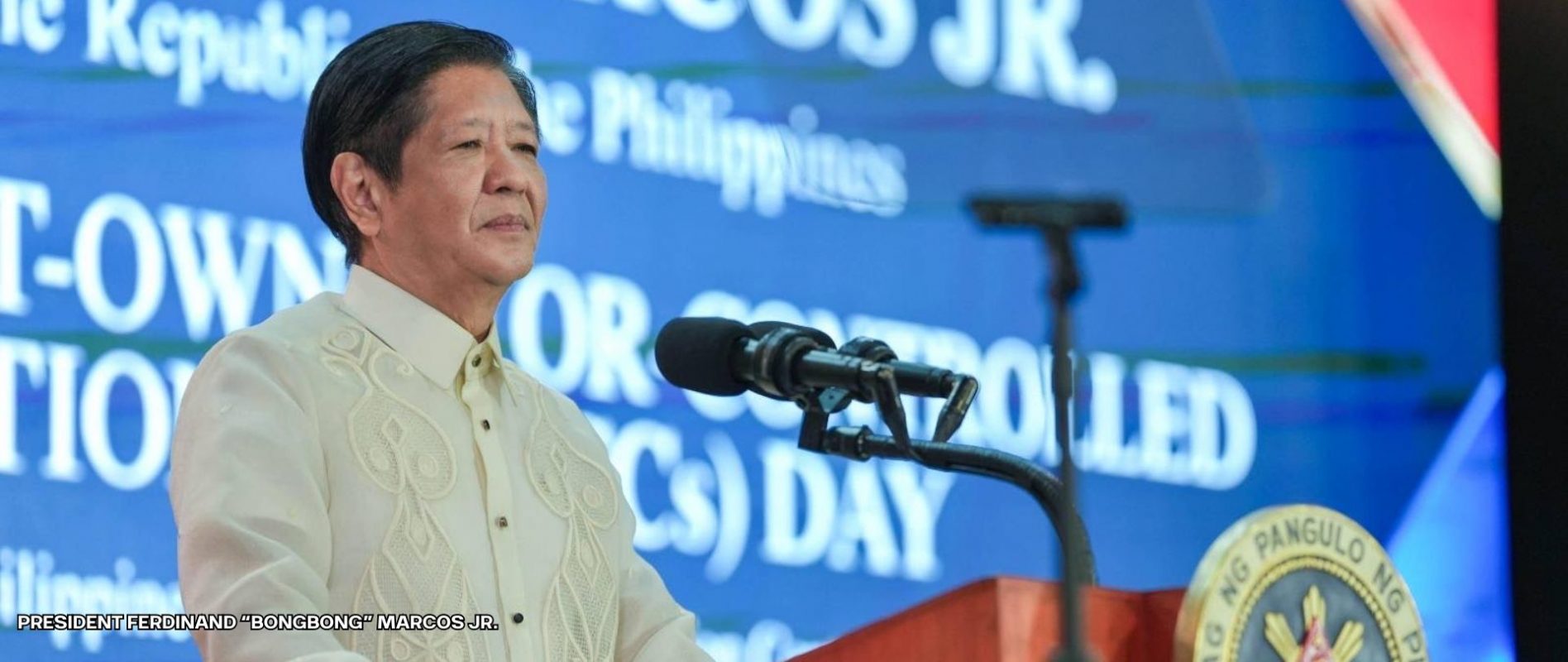
The group accused the administration of President Ferdinand “Bongbong” Marcos Jr. of shifting the burden of the learning crisis onto students and teachers despite what it described as persistent shortcomings in government support for education.
“Class suspensions do not create the learning crisis. Government neglect does. Chronic underfunding does. Corruption does. The commercialization and privatization of education do,” NUSP said.