SENATE PANEL TO CONDUCT COMPREHENSIVE REVIEW OF JUVENILE JUSTICE LAW IMPLEMENTATION
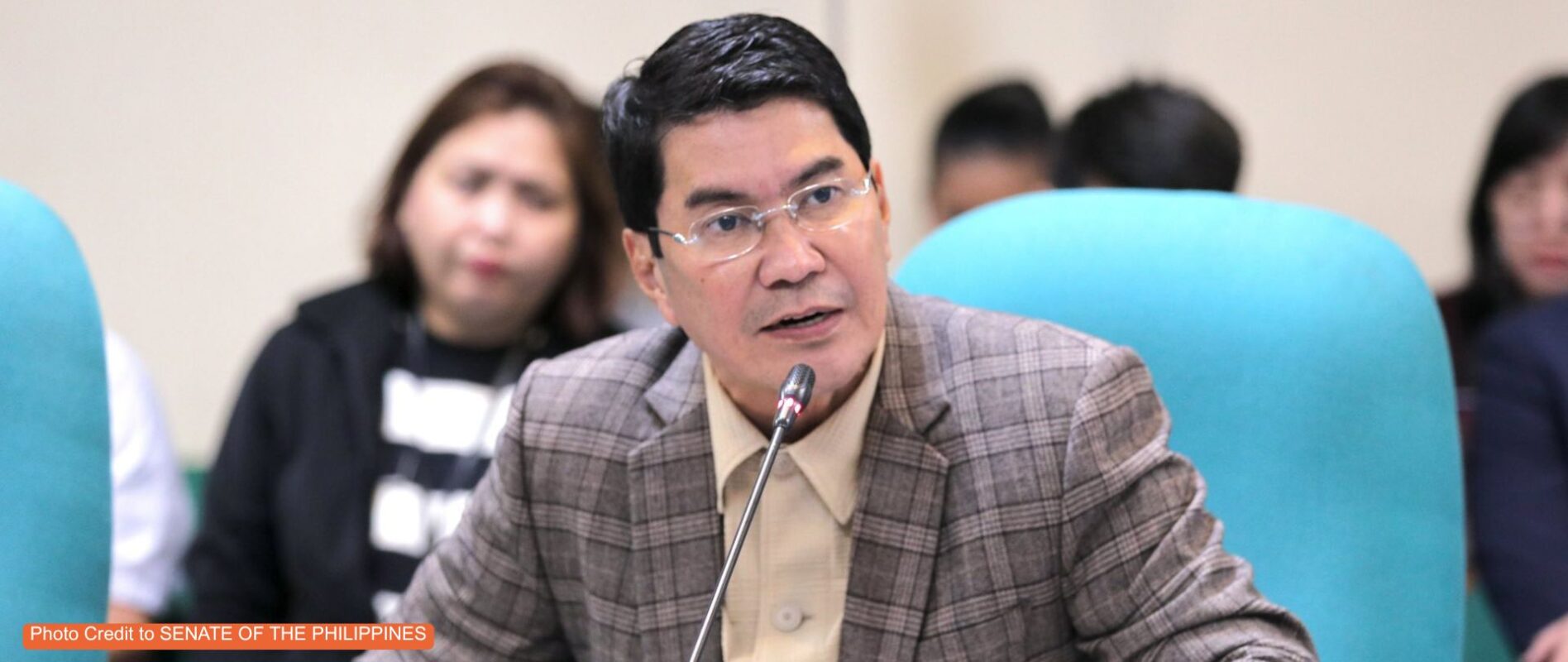
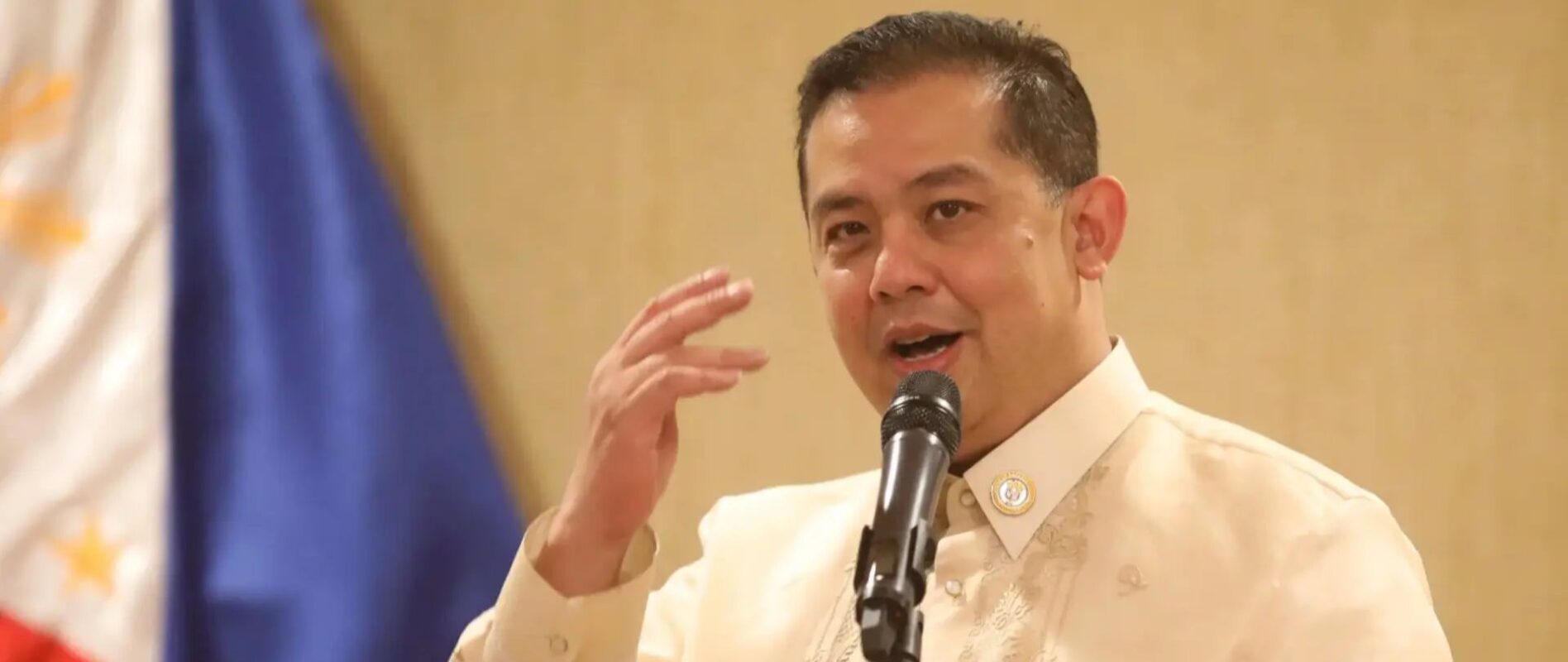
THE SENATE Committee on Social Justice, Welfare, and Rural Development, chaired by Senator Erwin Tulfo, will conduct a comprehensive review of the implementation of Republic Act No. 9344, or the Juvenile Justice and Welfare Act of 2006, following a series of high-profile crimes involving minors.
Tulfo said the legislative review was prompted by recent incidents, including the fatal school shooting in Tacloban City and separate stabbing cases in Negros Occidental and Cavite, which have renewed public concern over the country’s juvenile justice system.
The senator said he has long expressed concern over what he described as significant gaps in the implementation of the law, emphasizing that the review aims to address weaknesses in its enforcement rather than simply amend the legislation.
Tulfo noted that his concerns predate his entry into public office, recalling that as a media personality he encountered numerous victims of crimes involving minors who felt they had little recourse under the existing law.
He also cited his experience as Secretary of the Department of Social Welfare and Development, where he said he witnessed firsthand the systemic shortcomings in implementing the Juvenile Justice and Welfare Act.
According to Tulfo, the committee will examine the shortage of operational Bahay Pag-asa rehabilitation centers, assess the effectiveness of intervention programs for Children in Conflict with the Law (CICL) and Children at Risk (CAR), and review the enforcement of parental accountability provisions.
The panel will likewise revisit key provisions of the law, including the current minimum age of criminal responsibility, to determine whether these remain appropriate under present-day circumstances.
Tulfo said the review seeks to strike a balance between ensuring justice for victims and providing meaningful rehabilitation for children who come into conflict with the law.
He added that the committee will gather inputs from legal experts, law enforcement agencies, social welfare organizations, religious groups, medical professionals, and parents to ensure that all perspectives are considered as lawmakers work to strengthen the country’s juvenile justice system.