LAWMAKER SEEKS BROADER SUPPORT FOR EXPANDED SCHOOL FEEDING PROGRAM

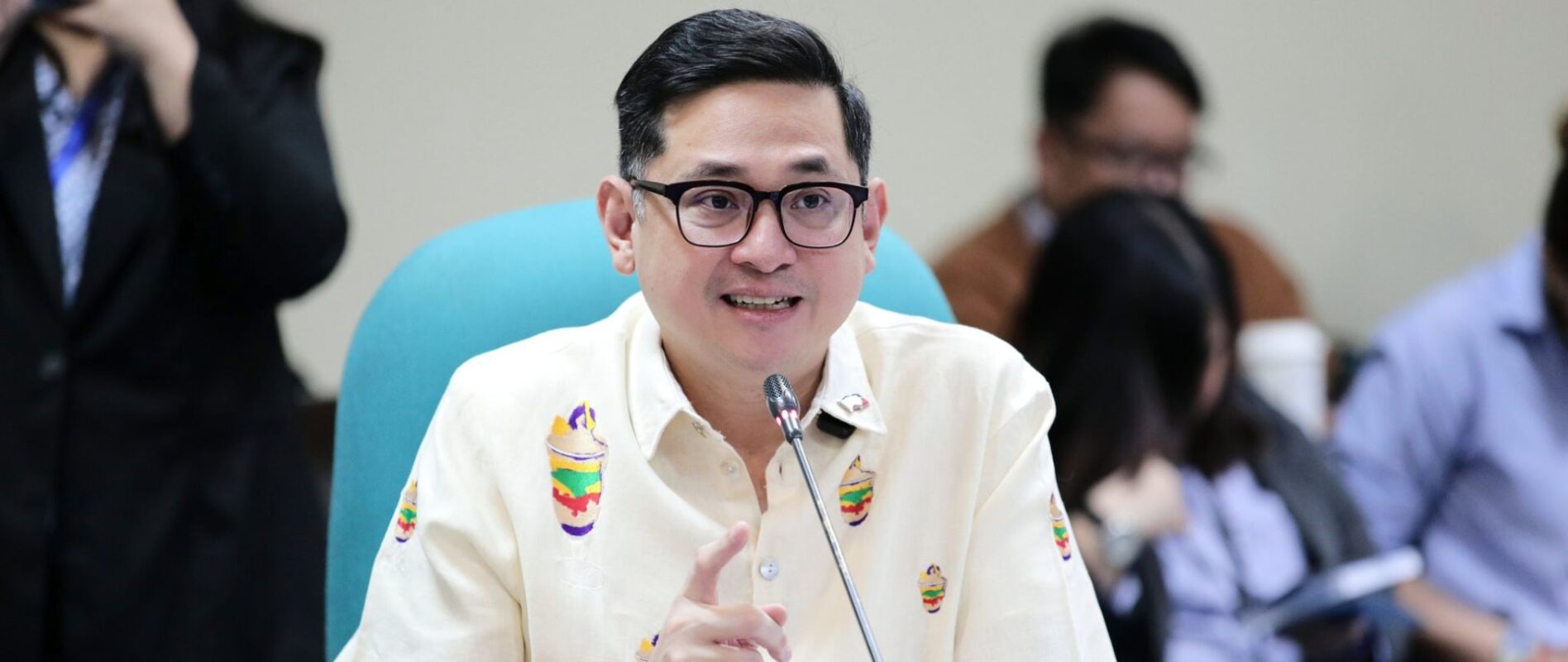
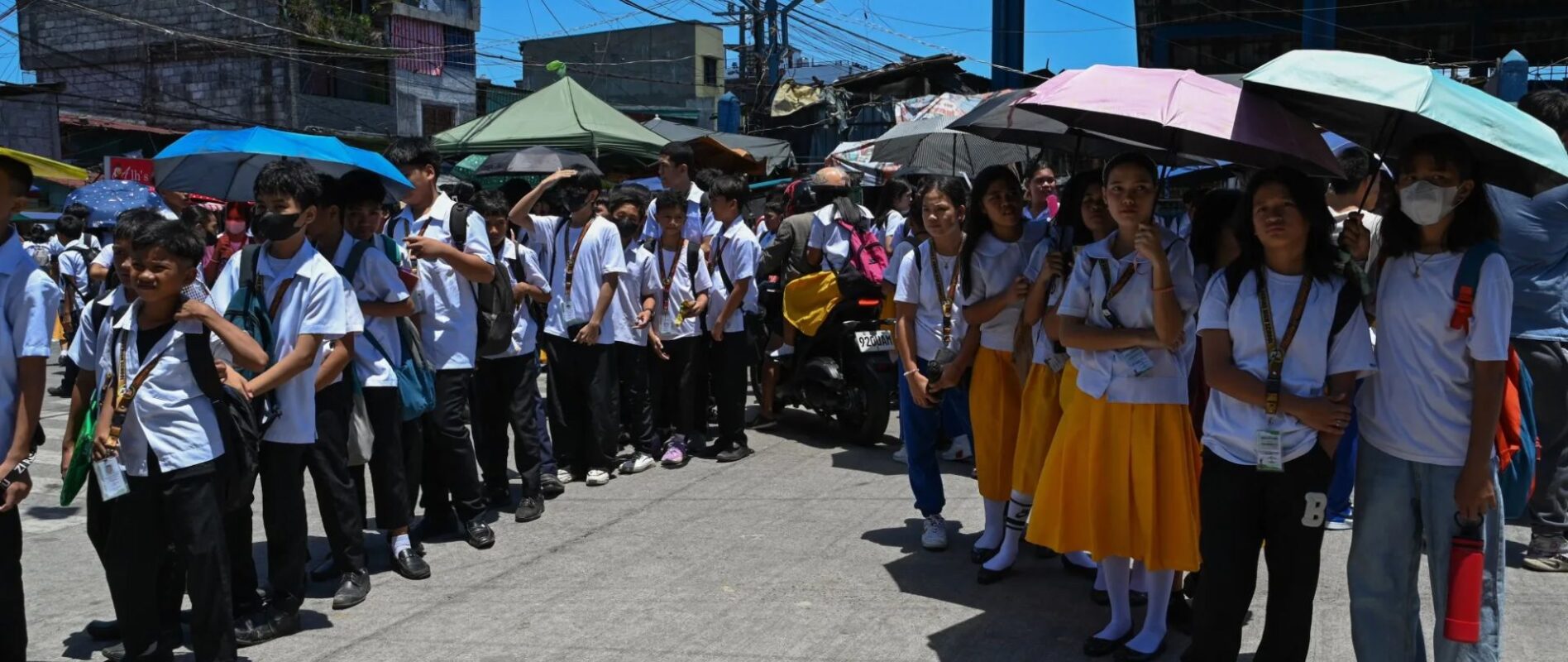
SENATOR Francis Pangilinan has called on government agencies, local government units (LGUs), and the private sector to support the implementation of an expanded national feeding program aimed at improving the nutrition, health, and academic performance of Filipino schoolchildren.
Pangilinan underscored the importance of fully implementing and strengthening Republic Act No. 11037 to ensure that learners have consistent access to nutritious meals in schools.
The lawmaker, who chairs the Senate Committee on Agriculture, Food, and Agrarian Reform, said the initiative goes beyond providing food assistance.
“Our goal is not only to feed Filipino children but to provide them with nutritious food that will strengthen their bodies, sharpen their minds, and improve their learning outcomes,” Pangilinan said.
Under the proposal, the current school-based feeding program would be expanded from 120 days to 200 days, allowing students to receive nutritious meals for a longer period during the school year.
According to Pangilinan, the measure seeks to address key issues affecting learners, including malnutrition, stunted growth, limited access to healthy food, and school absenteeism.
The proposed program is backed by a funding allocation of P25.7 billion.
Education advocates have long linked proper nutrition to improved classroom performance, better attendance, and overall student well-being.
Pangilinan said the expanded feeding initiative would help ensure that children are physically healthy and mentally prepared to learn.
The measure consolidates 11 Senate bills, including Pangilinan’s Senate Bill No. 219, which seeks to provide free breakfast to learners.
Beyond benefiting students, the senator said the program would also support local food producers.
The bill incorporates provisions of the Sagip Saka Act, allowing government agencies and LGUs to directly procure food from accredited farmers’ and fisherfolk cooperatives.
Under the proposal, at least 50 percent of the feeding program’s food requirements must be sourced directly from farmers and fisherfolk, creating a stable market for agricultural producers while ensuring schools receive fresh and nutritious food.
Pangilinan said the initiative would help address both educational and agricultural challenges by improving student nutrition and strengthening the livelihoods of farmers and fisherfolk.
“Through this program, we are not only feeding our children but also helping the farmers and fisherfolk who feed the nation,” he said.