SENATOR FLAGS ‘NATIONAL EMERGENCY’ IN LITERACY, PUSHES EDUCATION REFORMS
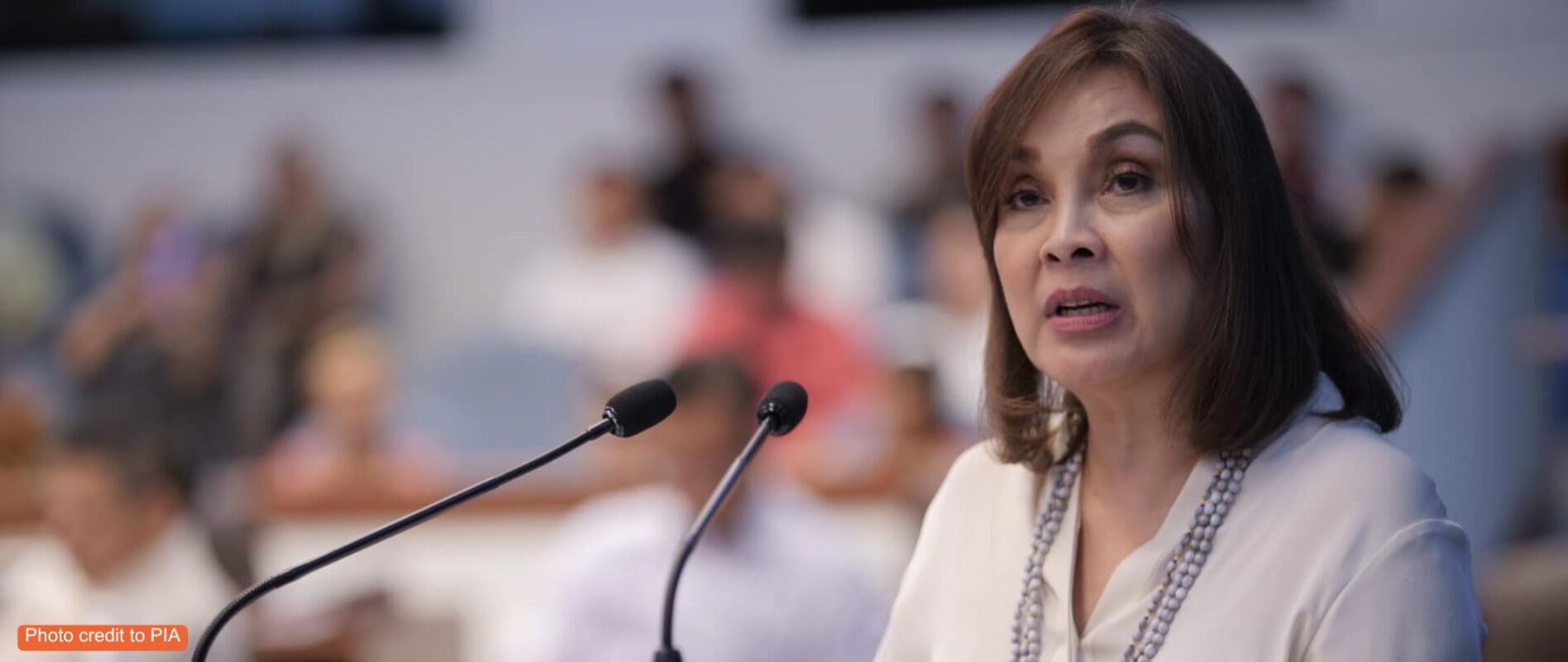
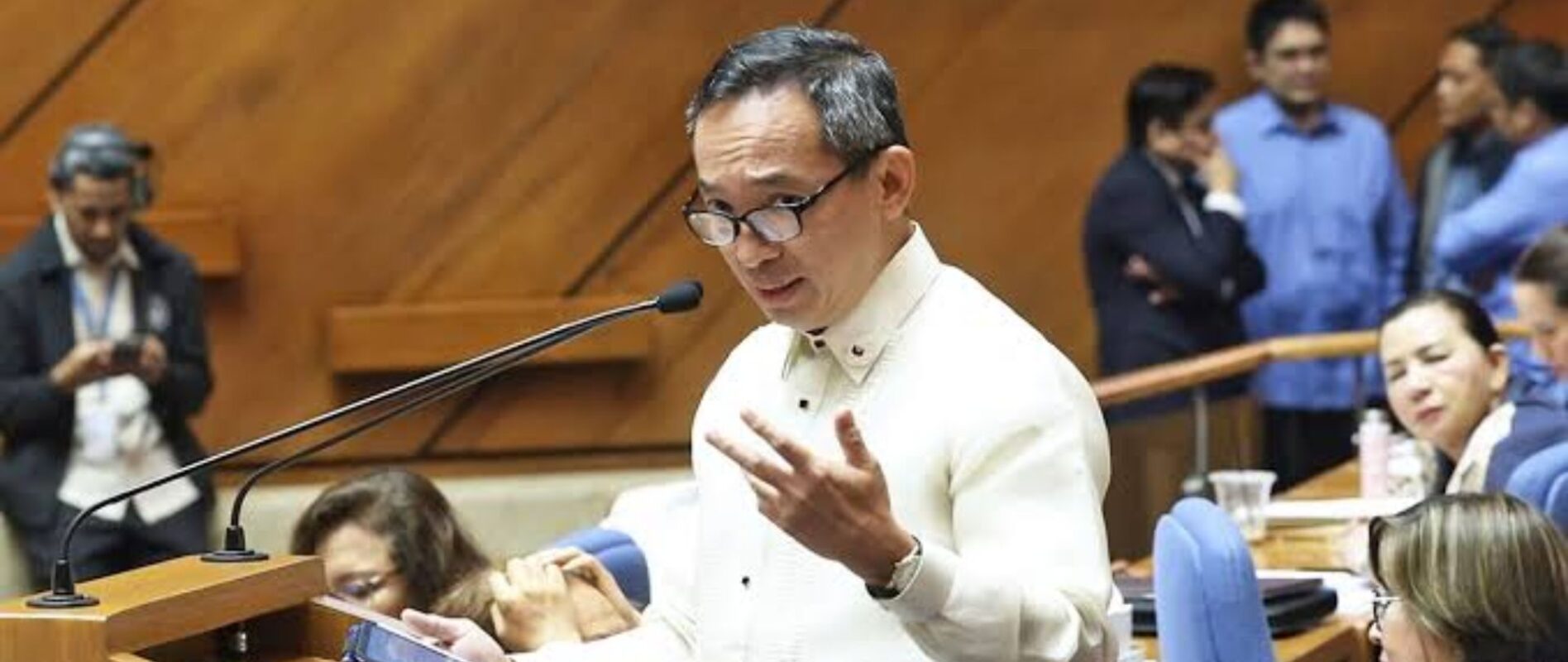
SENATE President Pro Tempore Loren Legarda raised alarm over what she described as a worsening literacy crisis in the country as she led her first briefing as chairperson of the Senate Committee on Basic Education and co-chairperson of the Second Congressional Commission on Education (EDCOM II).
Citing findings from EDCOM II, Legarda said many Filipino learners continue to struggle with basic reading skills despite advancing through grade levels.
According to the report presented during the briefing, many students remain unable to read by Grade 3, while one in four learners across all grade levels is considered a struggling reader.
The problem becomes more severe in Key Stage 3, covering Grades 7 to 10, where more than 80 percent of students reportedly experience reading difficulties. By Grade 11, around 87 percent were found not to be independent readers.
Calling the situation a “national emergency,” Legarda said the learning crisis requires immediate and coordinated action across the education sector.
As head of the Senate committee on basic education, Legarda said she intends to closely examine implementation gaps to ensure that education systems are functioning effectively.
She stressed that children should already possess strong reading and writing skills by age 10 and that learners who fall behind must receive targeted interventions.
To address the problem, Legarda outlined a multi-pronged strategy that includes strengthening early-grade reading programs, improving teacher training, ensuring the timely delivery of quality learning materials, and integrating culture and history into foundational education.
The senator also pushed for reviving a stronger reading culture in the country and called for greater support for local authors and publishers.
Beyond literacy, Legarda emphasized the role of education in strengthening national identity and cultural awareness. She said students should develop a deeper understanding of Philippine history and national heroes, including the contributions and ideals of Jose Rizal.
She also proposed expanding cultural mapping initiatives in partnership with the National Commission for Culture and the Arts, with teachers taking active roles in documenting and preserving local heritage in their communities.
Legarda likewise said legislated observances and commemorative activities should be integrated into classroom instruction instead of leading to class suspensions, allowing students to continue learning while appreciating civic and historical values.
The senator highlighted the importance of the ARAL Law, or Republic Act No. 12028, which she co-authored to strengthen reading interventions and address learning gaps.
Among the other measures she supports are proposed amendments to the Expanded Government Assistance to Students and Teachers in Private Education Act to establish a Basic Education Voucher Program, a proposed Classroom Building Acceleration Program to speed up the construction of resilient school facilities, and the proposed Masustansyang Pagkain Bill aimed at improving student nutrition.
A long-time advocate of education reform, Legarda also cited her role in advancing major education laws, including the Enhanced Basic Education Act of 2013, which institutionalized the K to 12 program; the Integrated History Act of 2016, which strengthened the inclusion of Philippine history and culture in schools; and the Universal Access to Quality Tertiary Education Act, which expanded access to free higher education.
“The solutions are within our reach, but they require urgency, coordination, and sustained political will,” Legarda said, emphasizing that every Filipino child should have the opportunity to read, understand, and actively contribute to nation-building.