SOLON HAILS 2026 BUDGET AS PEOPLE’S BUDGET, HIGHLIGHTS HISTORIC EDUCATION FUNDING
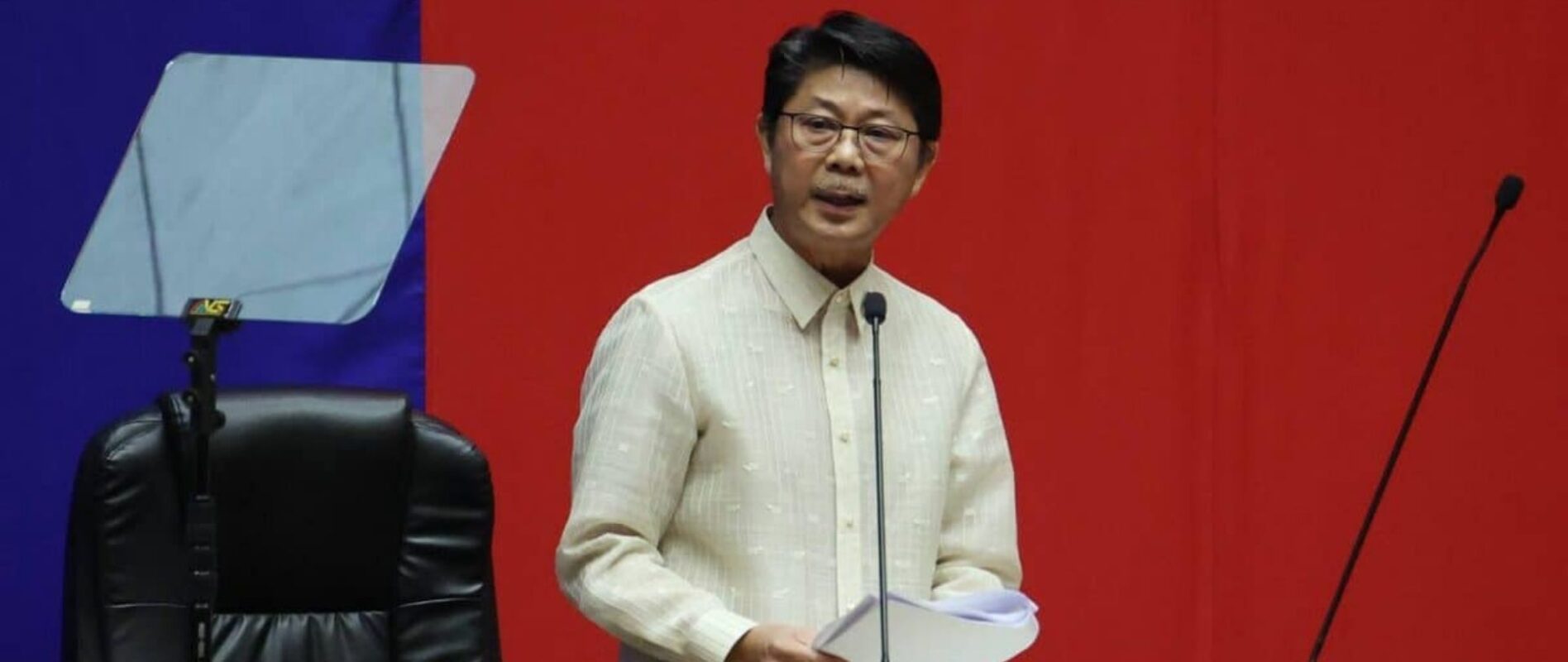
HOUSE Speaker Faustino Dy III on Monday welcomed the enactment of the 2026 General Appropriations Act describing it as a genuine People’s Budget that places education at the center of national development.
Dy made the statement after President Ferdinand Marcos Jr. signed into law the P6.793-trillion national budget during a ceremony at Malacañang.
He emphasized that Congress will exercise strict oversight to ensure that public funds, particularly those allocated for education, are spent lawfully, efficiently, and free from corruption.
“The signing of the budget is not the end of our work. This is just the beginning. It marks the start of congressional oversight,” Dy said. “Congress will make sure every peso is spent exactly as approved.”
According to the Speaker, the 2026 GAA reflects an inclusive, transparent, and accountable budget process that directly responds to the daily needs of Filipinos, with education receiving unprecedented support.
“This is the People’s Budget. It is open, accountable, and focused on improving lives—creating jobs, strengthening education, expanding health care, and ensuring food security,” he said, adding that the measure reflects the President’s clear directive that public funds must be responsibly managed and genuinely felt by the people.
Dy underscored that education is the centerpiece of the 2026 GAA, which carries the highest education allocation in Philippine history at Php1.34 trillion.
This marks the first time the country has exceeded the 4 percent international benchmark for education spending.
“The historic amount allocated for education is an investment in the Filipino youth and, ultimately, in the future of the Filipino nation,” the Isabela lawmaker said.
He also highlighted a major milestone for higher education, noting that for the first time since its passage in 2017, the Universal Access to Quality Tertiary Education program will be fully funded.
The program is expected to benefit around 2.4 million students enrolled in more than 100 state universities and colleges nationwide.
Dy said the full funding of the program will ease the financial burden on families, widen access to higher education, and help develop a more skilled and competitive workforce.