
SENATOR STRESSES NEED TO INSTITUTIONALIZE WPS EDUCATION AMONG ELEMENTARY STUDENTS TO FIGHT DISINFORMATION
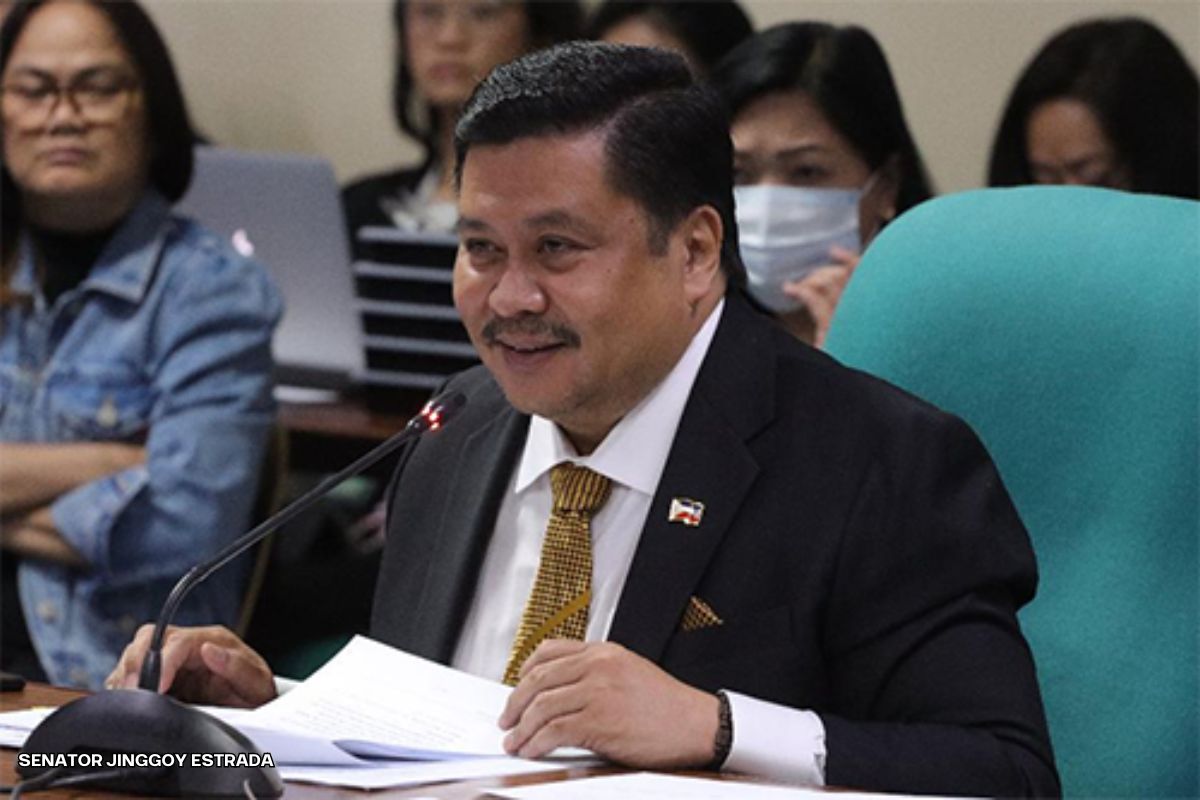
TO COUNTER the spread of disinformation fueled by elaborate networks and to enlighten the younger generation on the importance of the country’s territorial rights and maritime domain, Senator Jinggoy Ejercito Estrada has proposed a measure mandating the inclusion of information on the West Philippine Sea in the basic education curriculum.
Estrada said the initiative aims not only to strengthen patriotism among the youth but also to equip them with a clear and factual understanding of the Philippines’ sovereign rights under international law.
“It is imperative that we not only instill patriotism and pride in our youth, but also nurture a full understanding of our legitimate sovereign rights and entitlements under international laws, and empower our citizens with knowledge to defend and protect what is rightfully ours,” Estrada said, underscoring the importance of Senate Bill No. 1424.
“Our children deserve to know the truth about the West Philippine Sea – its history, its importance, and our rights over it. Education is our strongest defense against lies, distortion, and historical revisionism,” he stressed.
Estrada filed SB 1424, also known as the proposed “West Philippine Sea Mandatory Education Act,” following the Department of Education’s announcement on the planned inclusion of WPS topics in selected grade levels.
The bill builds on this initiative by making the study of the WPS permanent and mandatory in the curriculum of all public and private basic educational institutions nationwide.
The measure highlights the significance of the 2016 Arbitral Award, which invalidated China’s nine-dash line claim and affirmed China’s violation of the Philippines’ sovereign rights within its exclusive economic zone.
Under SB 1424, students will learn about the country’s’ Exclusive Economic Zone, the United Nations Convention on the Law of the Sea, relevant maritime laws, the environmental and economic value of the West Philippine Sea, and the experiences of Filipinos who have been fishing in the area .
The curriculum will also address illegal incursions and encroachments, and their impact on food security and marine resources, among others.
The Department of Education will lead the development of the curriculum in coordination with the Department of Foreign Affairs, the National Historical Commission of the Philippines, and other relevant agencies and academic institutions to ensure that lessons are factual, balanced, and age-appropriate.
Schools will likewise be required to maintain updated maps and reference materials in their libraries.
If passed, SB 1424 will institutionalize WPS education, ensuring that future generations grow up with a clear understanding of the country’s maritime rights and responsibilities, while strengthening national identity and resolve, Estrada said.