SENATOR SEEKS TO EXPAND USE OF SPECIAL EDUCATION FUND TO ADDRESS GAPS IN LOCAL EDUCATION SYSTEM
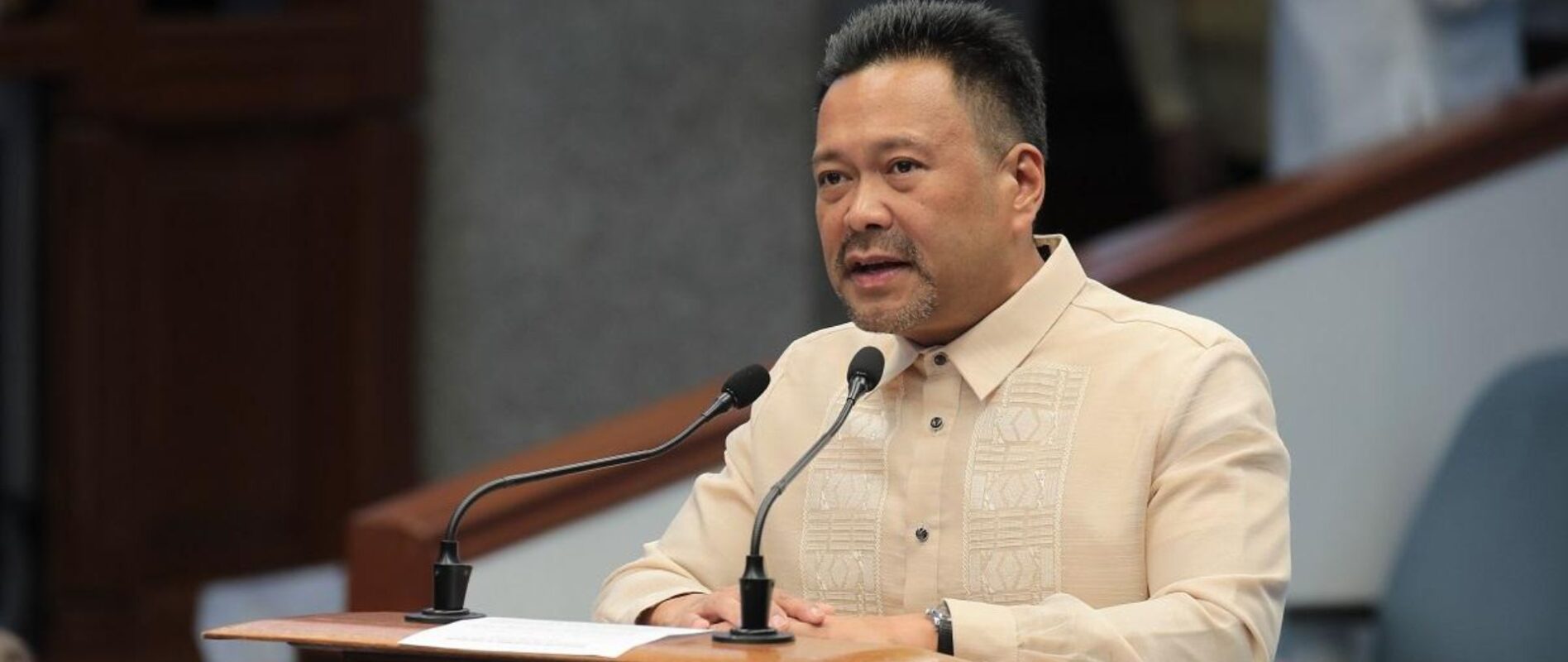
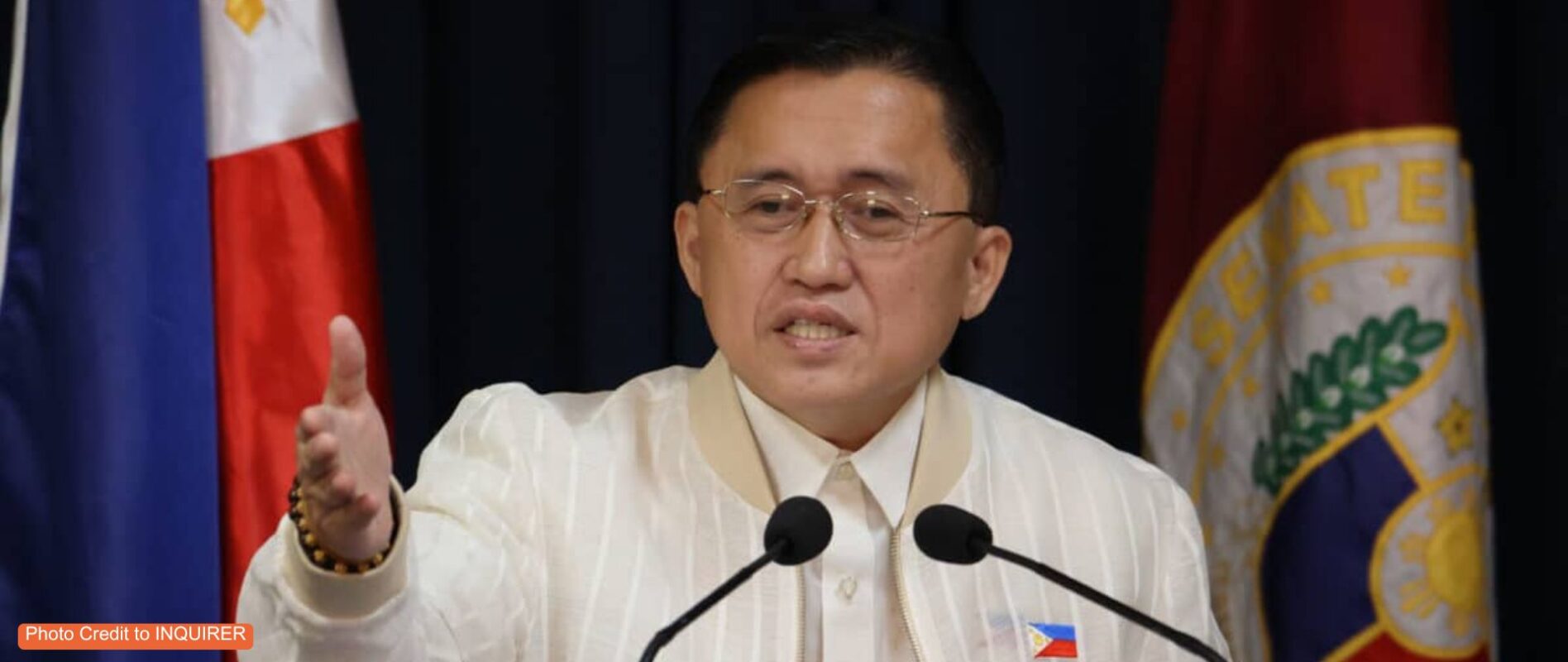
SENATOR JV Ejercito has filed a measure seeking to broaden the purpose and application of the Special Education Fund (SEF) to address long-standing gaps in the country’s local education system by providing clearer guidelines on how the fund should be utilized.
Ejercito’s Senate Bill 1621 aims to amend Section 272 of Republic Act No. 7160, or the Local Government Code of 1991, to maximize the SEF’s impact on education services and infrastructure nationwide.
Under the Local Government Code, provinces, cities, and municipalities within Metro Manila are authorized to levy an additional one percent tax on the assessed value of real property. The proceeds are allocated exclusively to the SEF, which is supervised and disbursed by local school boards.
Citing data from the Department of the Interior and Local Government, Ejercito noted that as of June 2025, about 77.67 percent of local government units (LGUs) had used the SEF to build and improve classrooms. This translates to 1,332 LGUs utilizing at least 85 percent of their SEF collections for education-related projects, facilities, and programs benefiting millions of Filipino learners.
The senator also pointed out that the Union of Local Authorities of the Philippines has recognized the SEF’s potential to support educators through timely interventions, particularly in providing relief to overworked and underpaid teachers.
However, despite its proven benefits, the SEF has suffered from significant underutilization. Data from the Second Congressional Commission on Education showed that between 2018 and 2022, large portions of SEF collections remained unused. In 2022 alone, around ₱15 billion worth of SEF funds went unutilized, with cities recording the highest underutilization rate at 57 percent.
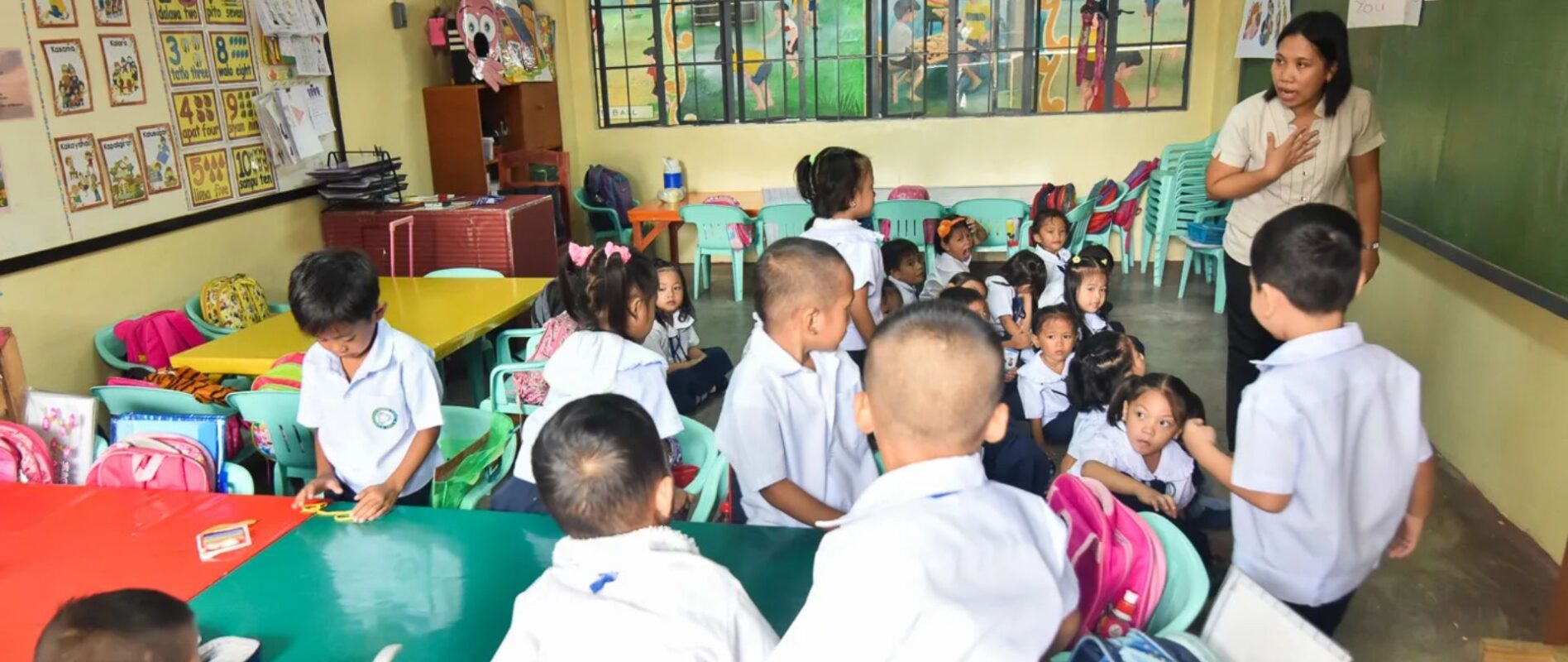
Ejercito said the inefficient use of the SEF is disproportionate to the persistent challenges faced by the education sector, including classroom shortages, inadequate facilities, lack of teachers, insufficient learning resources, and weak program implementation.
“The SEF is not just meant to sustain the education system but to improve it,” the senator said, emphasizing the need to adapt to the evolving needs of both teachers and students.
The proposed legislation seeks to establish definitive guidelines to ensure that SEF resources are used effectively to provide accessible facilities, qualified teaching personnel, and a comprehensive curriculum.
Ejercito stressed that strengthening SEF implementation is a critical step toward empowering Filipino learners—the country’s pag-asa ng bayan—through quality education and urged the swift passage of the measure.