SENATOR PUSHES NATIONWIDE VOUCHER REFORM TO EASE SCHOOL CONGESTION, EXPAND STUDENT ACCESS
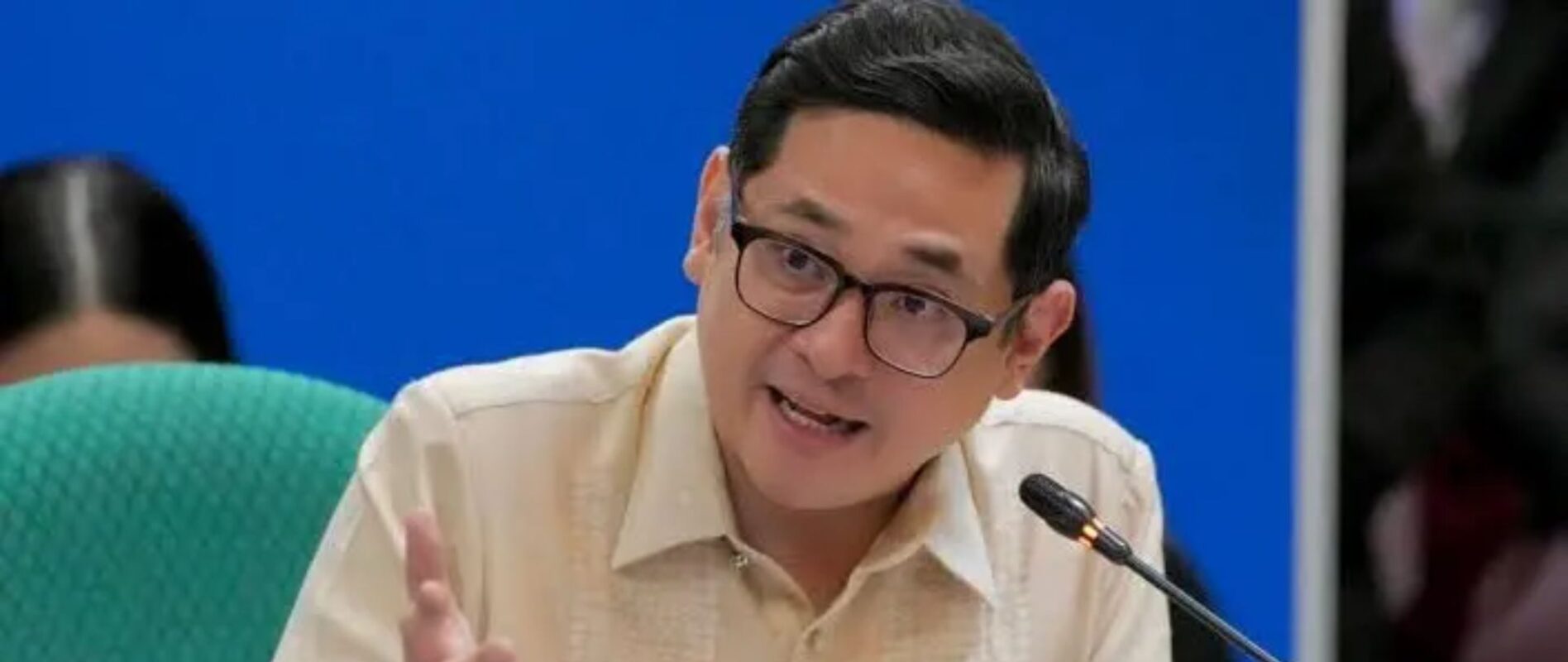
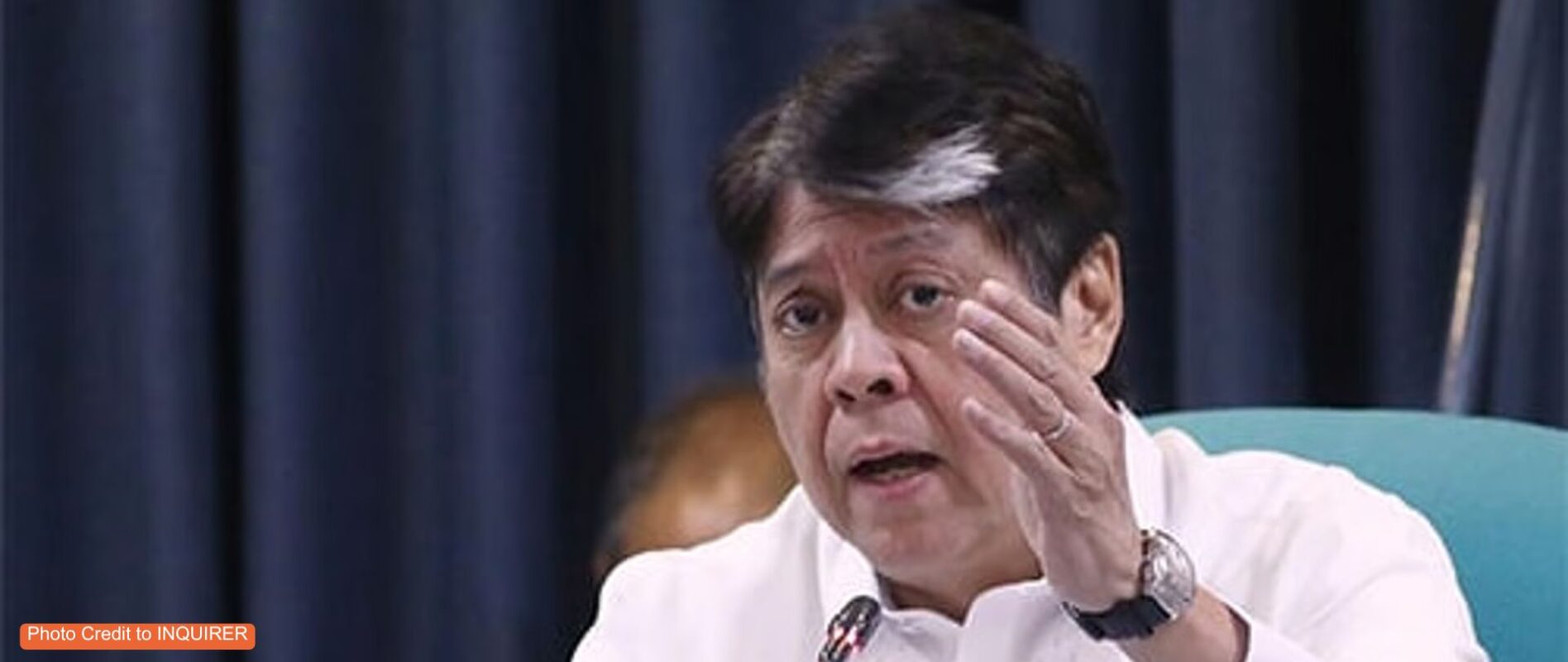
SENATOR Bam Aquino is advocating the passage of a measure that seeks to institutionalize a nationwide private education voucher program, aimed at providing financial relief to families, improving learning environments, and easing congestion in public schools.
Senate Bill No. 1981, or the proposed Private Basic Education Voucher Program Act, seeks to repeal Republic Act No. 6728 (GASTPE) and replace it with a more comprehensive and unified system of education assistance.
In his sponsorship speech, Aquino—chairperson of the Senate Committee on Basic Education—said the reform is designed to address three key issues: classroom congestion, limited access to quality education, and the need to strengthen safeguards against corruption.
“Ang ating reporma ay tutugon sa tatlong pangunahing isyu: congestion, access, at pagpapatibay ng sistema laban sa corruption,” he said.
The proposed program would allow students, particularly those from overcrowded public schools, to enroll in private institutions with available capacity through government-funded vouchers. Aquino emphasized that the initiative would directly benefit families by reducing expenses related to tuition, transportation, and other school needs.
“Mahalaga ang programang ito dahil direktang natutulungan ang mga pamilya—lalo na ang mga nakatira malapit sa mga pribadong paaralan, at ang mga mag-aaral na nangangailangan ng Special Education o SPED,” he added.
The measure also aims to strengthen support for participating private schools and teachers through subsidies and institutional assistance, while helping decongest public school classrooms. The country currently faces an estimated shortage of around 165,000 classrooms.
Under the bill, voucher assistance will be expanded to cover all levels of basic education—from Kindergarten to Grade 12—and will consolidate existing voucher programs under a single legal framework.
Priority beneficiaries include students from Pantawid Pamilyang Pilipino Program (4Ps) households, those living in geographically isolated and disadvantaged areas, Indigenous Peoples communities, foster homes, and other vulnerable sectors, including learners with disabilities who require special education services.
Aquino said the measure also introduces stronger safeguards to prevent fraud and abuse. These include administrative and criminal penalties, such as fines and possible imprisonment, for violations.
“Titiyakin po natin na wala nang ghost students at wala nang magsasamantala sa sistema,” he said.
He urged fellow lawmakers to support the bill, describing it as a critical step in addressing the country’s education challenges and ensuring that more Filipino students have access to safe, inclusive, and quality learning environments.
“Sa pamamagitan nito, masisigurado natin na mas marami pang kabataang Pilipino ang makakapag-aral sa maayos na kapaligiran at makakatanggap ng dekalidad na edukasyon. Tiyakin nating walang batang maiiwan,” Aquino said.