LAWMAKER RAISES CONCERNS OVER SHARP INCREASE IN DEPED CLASSROOM BUDGET

SENATOR Imee Marcos raised concerns over the significant increase in the budget for classroom construction under the Department of Education (DepEd), citing the agency’s low absorption rate of about 23 percent.
During the bicameral conference committee deliberations on the disagreeing provisions of House Bill No. 4058, or the proposed 2026 national budget, Marcos questioned the wisdom of sharply increasing the allocation for classroom construction despite DepEd’s difficulty in fully utilizing previously approved funds.
Under the proposed budget, funding for classroom construction is set to rise from about P28 billion in 2025 to as much as P85 billion in 2026.
“I am not opposed to the construction of classrooms. But are we doing right? They are not spending, yet we keep adding and adding to the budget for classroom construction while the accomplishment is only 23 percent,” Marcos said.
The senator stressed that the issue goes beyond the size of the budget, emphasizing the need to examine whether existing strategies and implementation mechanisms can effectively deliver results for both students and teachers.
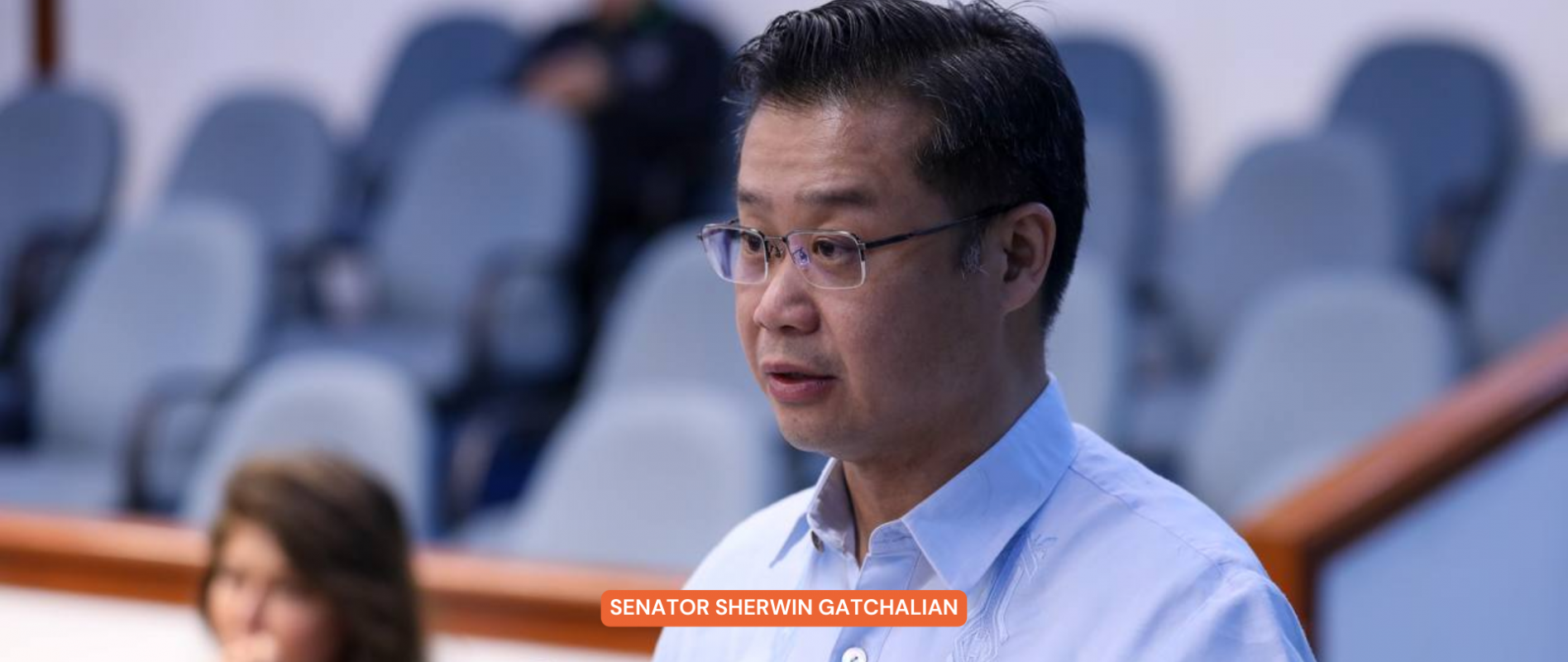
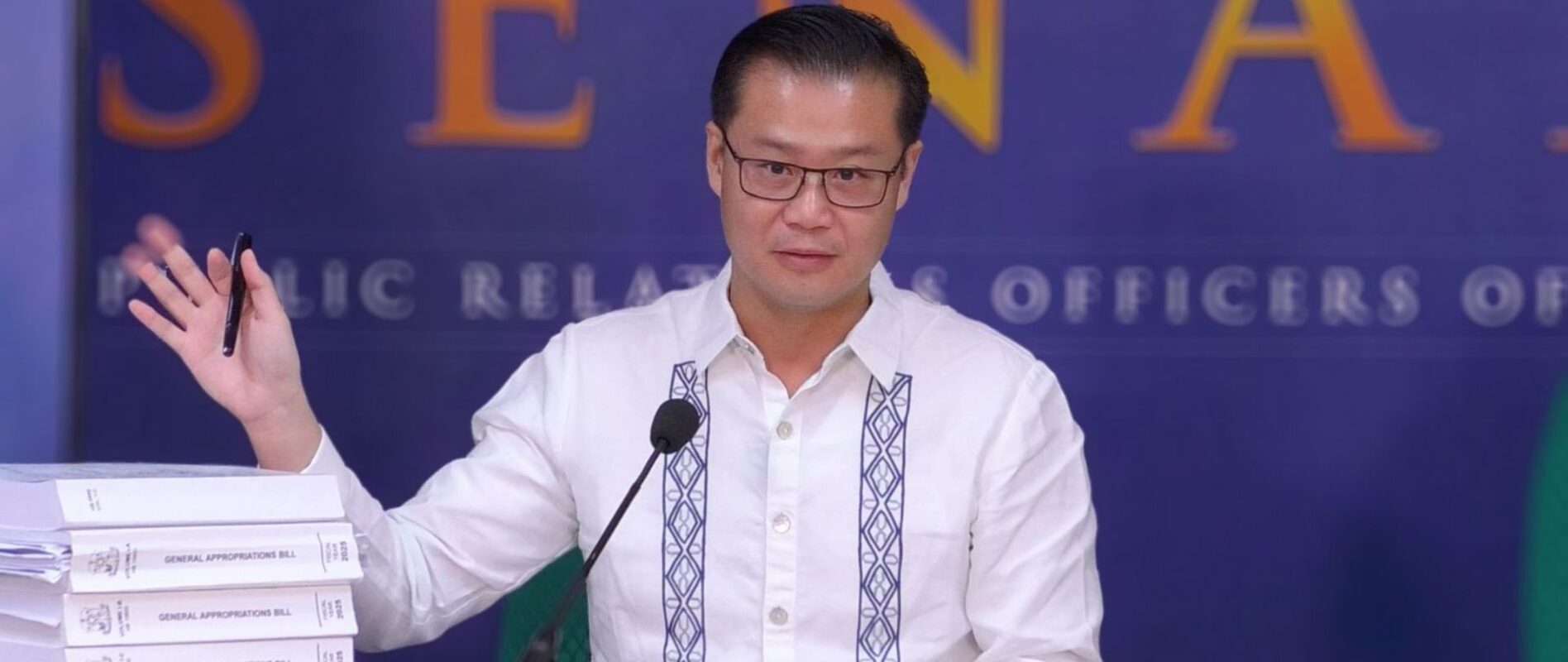
In response, Senate Finance Committee Chairman Sherwin Gatchalian said the country continues to face a massive classroom backlog estimated at around 165,000 classrooms.
He noted that addressing the shortage would require an estimated P400 billion in total funding.
Gatchalian explained that the increased allocation for 2026 is primarily intended to decongest overcrowded classrooms, particularly in highly urbanized areas.
To improve implementation, he said DepEd plans to adopt multiple approaches, including public-private partnerships, collaboration with local government units, and partnerships with civil society and non-government organizations.
In previous years, Gatchalian added, classroom construction was handled exclusively by the Department of Public Works and Highways, which contributed to delays and limited output.
“Let us make sure that this money goes to education—and not to corruption,” he said.