LAWMAKER QUESTIONS DEPED SCREENING PROCESS FOR E-GASTPE PROGRAM
/ 21 January 2026

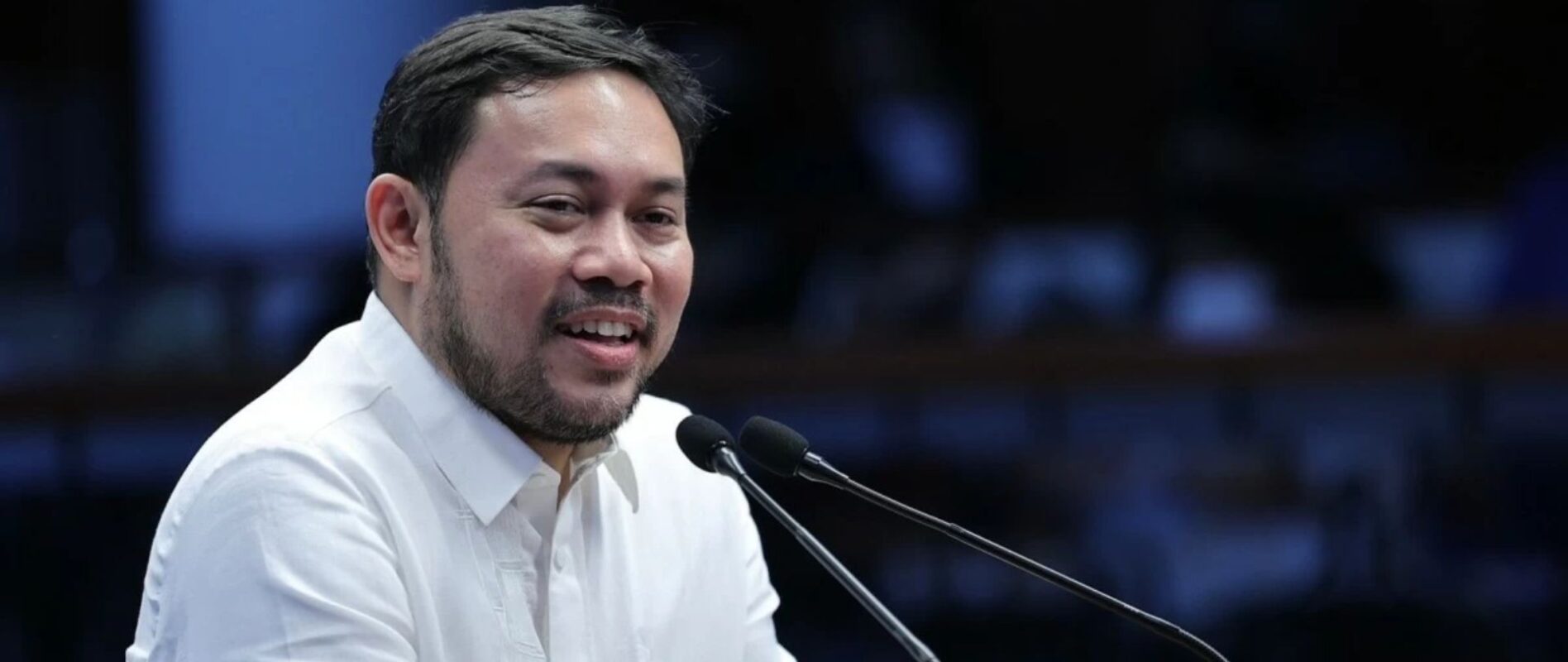
SENATOR Raffy Tulfo has raised concerns over the screening and implementation of the Department of Education’s Expanded Government Assistance to Students and Teachers in Private Education or E-GASTPE program, warning that the multibillion-peso initiative is vulnerable to abuse due to weak vetting and monitoring systems.
During a hearing of the Senate Committee on Basic Education, Tulfo scrutinized DepEd’s application and selection process for E-GASTPE beneficiaries, questioning how the agency ensures that only qualified students are admitted into the program.
Tulfo stressed that DepEd must conduct stricter vetting to confirm that beneficiaries genuinely come from congested public schools, noting the agency’s admission that it lacks sufficient capacity to thoroughly screen applicants.
He emphasized that the core objective of E-GASTPE is to decongest overcrowded public schools by allowing eligible students to enroll in private institutions, adding that the program’s system must be reviewed and improved to achieve this goal.
At present, about 1.2 million students are enrolled under E-GASTPE.
However, Tulfo questioned whether the locations of participating schools have been properly identified and whether student beneficiaries are being effectively monitored throughout the duration of the program.
The senator also said the program should prioritize the poorest of the poor, but claimed to have received reports of favoritism, with many voucher recipients allegedly coming from non-poor households.
“On paper, the program is good, but it fails to meet its objectives because of various abuses—ghost students, fly-by-night institutions posing as private schools, patronage politics, and other irregularities,” Tulfo said.
He added that some officials reportedly treat the voucher system like other assistance programs where personal connections determine who receives aid, resulting in wasted public funds that could have supported the education of millions of Filipino youth.
Despite his criticisms, Tulfo said he supports institutionalizing the E-GASTPE program, citing the P41.18-billion allocation for the initiative in the proposed 2026 national budget. However, he stressed that this should be done only under strict conditions.
Tulfo called for full transparency in every stage of the voucher program, saying all stakeholders—students, teachers, communities, and both public and private school institutions—must be informed and able to track how funds are allocated.
He also underscored the need for proper documentation, clear criteria in selecting beneficiary areas, students, and private schools, as well as regular auditing to ensure accountability.
Finally, Tulfo directed DepEd to submit a complete list of participating schools so lawmakers can assess whether the E-GASTPE program is being properly managed and effectively implemented.