LAWMAKER BACKS BILL STRENGTHENING SUPPORT FOR REMOTE SCHOOLS

SENATE Minority Leader Alan Peter Cayetano backed the Senate approval of a bill aimed at ensuring that every Filipino has access to quality education, regardless of how remote their community may be.
The support comes after Cayetano signed Committee Report No. 43 on the proposed Geographically Isolated and Disadvantaged Areas (GIDA) Schools Act, prepared by the Senate Committee on Basic Education.
The measure seeks to promote inclusive access to education for vulnerable and disadvantaged learners living in secluded communities.
Cayetano has long emphasized that improving the education system is key to creating more opportunities and securing a better future for Filipinos.
“When the education system becomes number one in the priority, talagang gaganda ang buhay ng mga Pilipino. Much more opportunities will come,” the minority leader said.
The proposed law aims to strengthen government support for schools located in remote, conflict-affected, and indigenous communities where students often face significant challenges such as long travel times, poor infrastructure, and limited learning resources.
Under the bill, schools may be classified as GIDA if they lack electricity, operate in makeshift classrooms, hold multi-grade classes, require more than an hour of difficult travel to reach, serve a large number of Indigenous learners, or are located in disaster-prone or conflict-affected areas.
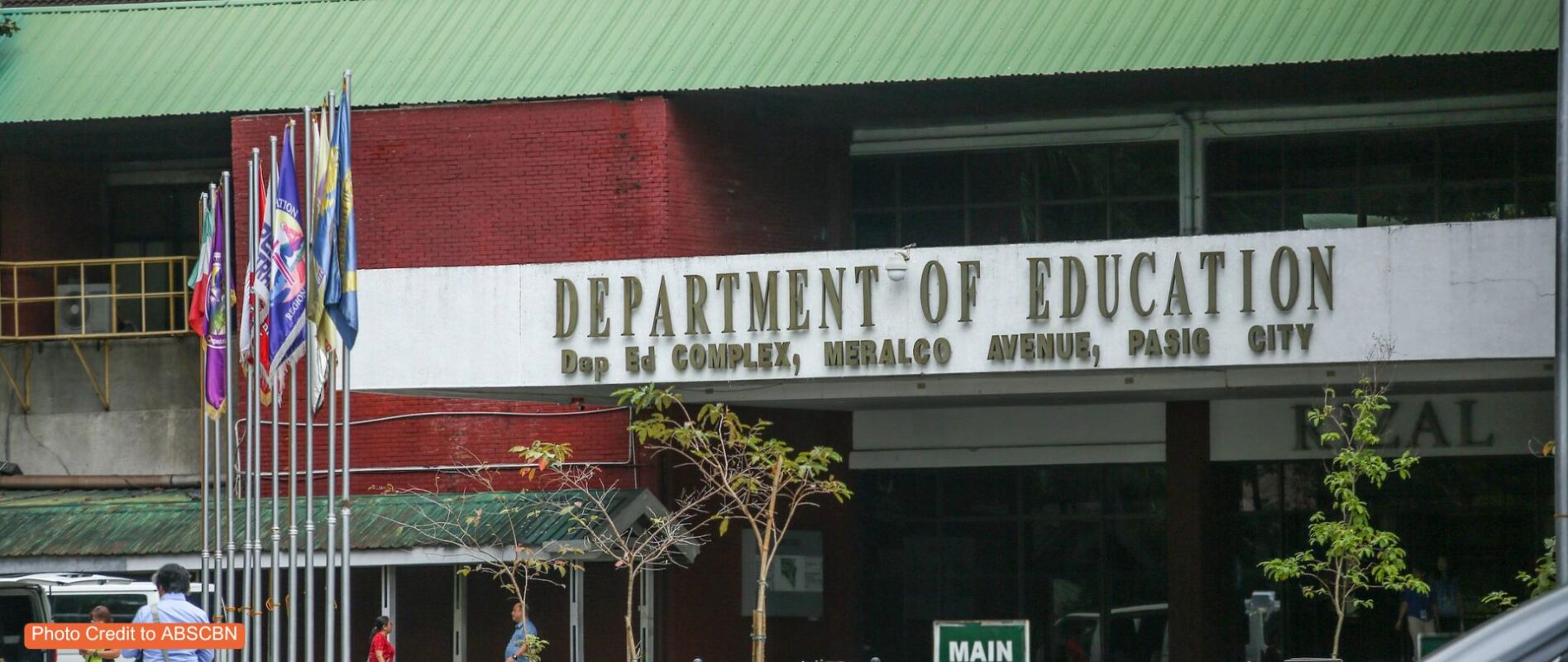
The measure directs the Department of Education to establish a National GIDA Schools Mapping System to help identify and prioritize schools that need urgent government support.
It also mandates the adoption of an accessibility standard to ensure that students have access to a school within three kilometers of their homes or are provided with safe transportation options.
The bill further requires stronger coordination among government agencies. The Department of Public Works and Highways will assist in building access roads, the Department of Energy will support electrification, the Department of Information and Communications Technology will help improve internet connectivity, and the National Commission on Indigenous Peoples will ensure that the rights of Indigenous communities are respected.
Teachers assigned to GIDA schools will receive additional benefits, including hardship pay, housing assistance, and priority access to professional training.
Local School Boards will also be required to allocate funds to support these schools, while the Department of Education must submit annual progress reports to Congress.
A longtime education reform advocate, Cayetano previously served as co-chairperson of the Second Congressional Commission on Education and chaired the Senate Committee on Higher, Technical, and Vocational Education during the 19th Congress.
“Whatever we do now, that is what we will see in 2035, 2045, and 2050,” the senator said, emphasizing the long-term impact of education reforms.