HOUSE PANEL APPROVES MEASURE SEEKING TO AMEND HIGHER EDUCATION MODERNIZATION ACT
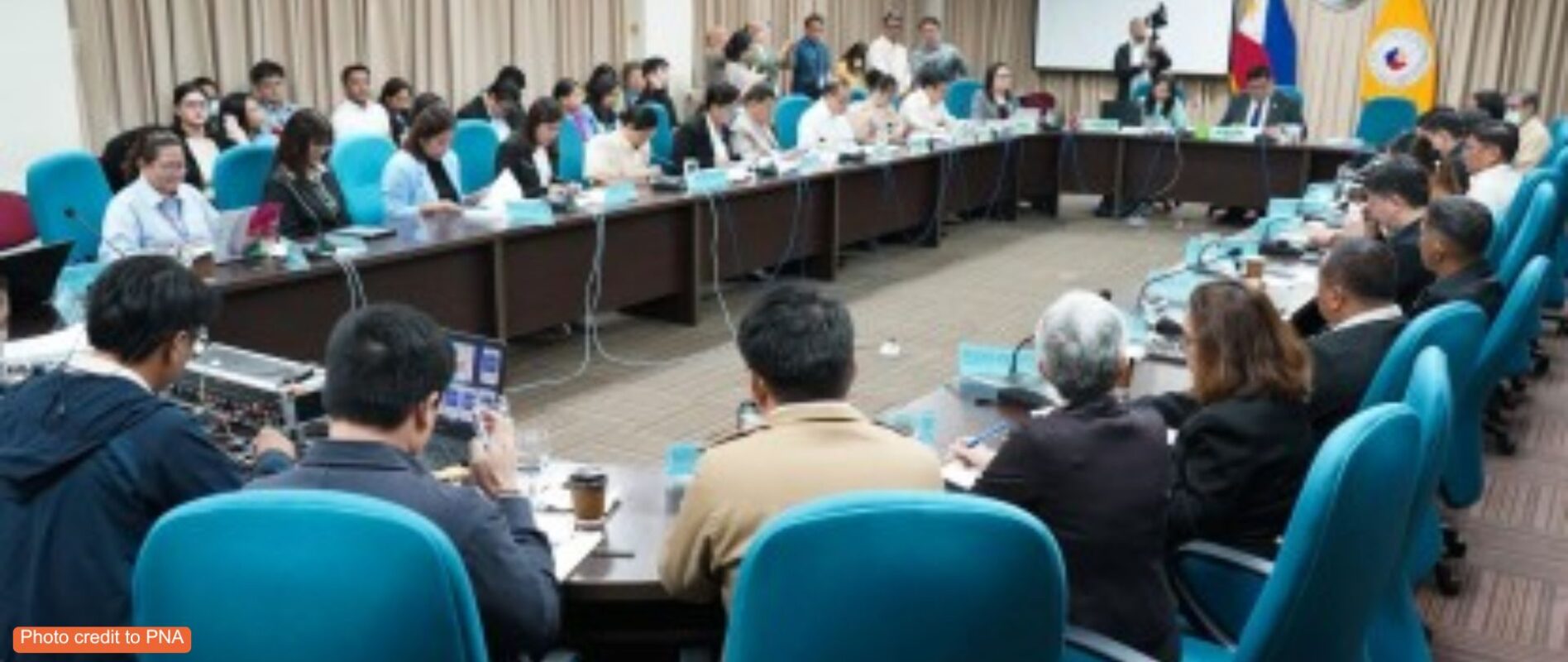
THE HOUSE Committee on Higher and Technical Education has consolidated and approved House Bills 4799 and 5042—measures seeking to amend Republic Act 8292, or the Higher Education Modernization Act of 1997—to strengthen the governance of State Universities and Colleges (SUCs).
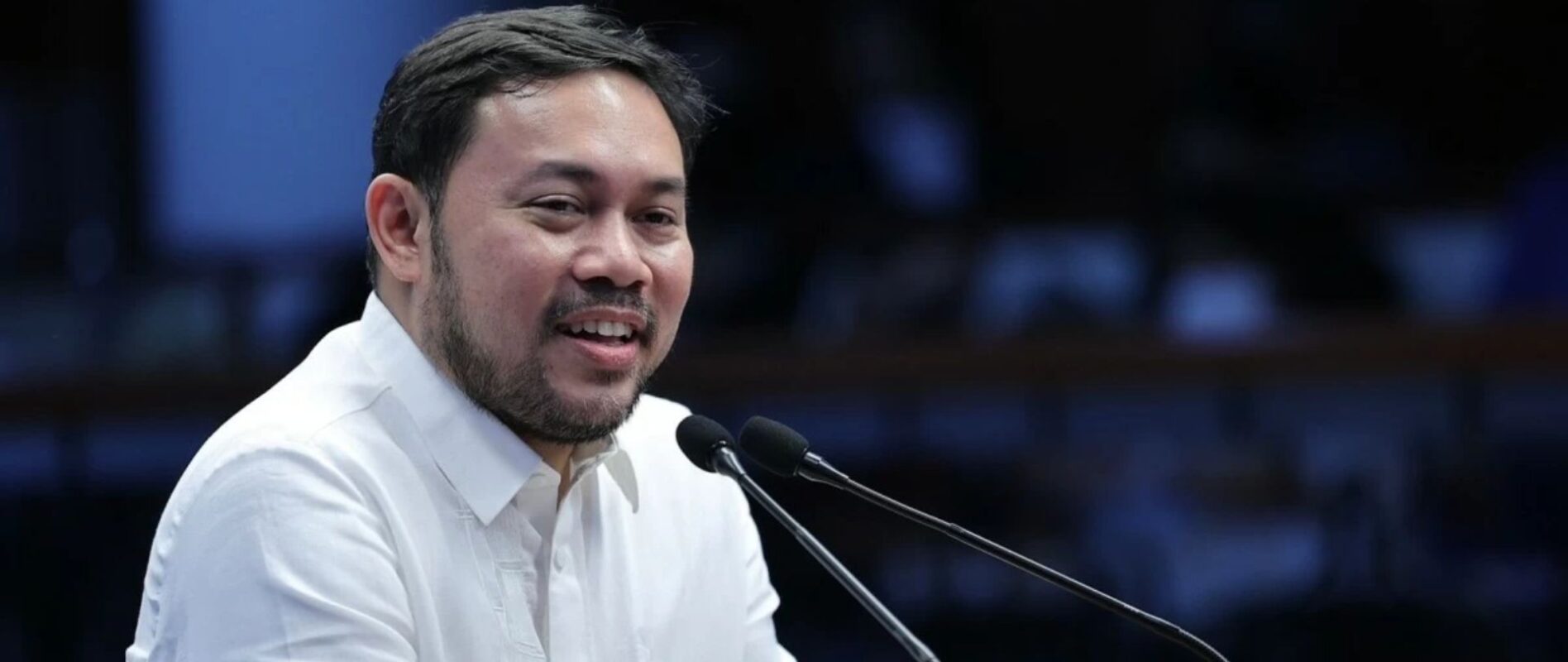
The panel is chaired by Jude Acidre of the TINGOG Party-list, who co-authored HB 4799 with Rep. Andrew Julian Romualdez.
The consolidated measure aims to clarify the role of the Commission on Higher Education (CHED), reinforce SUC governance structures, and introduce a system of differentiated autonomy tied to institutional performance.
Acidre and Romualdez noted that nearly three decades after the passage of RA 8292, SUCs continue to face bureaucratic hurdles, insufficient financing, and unclear governance mechanisms that limit the full realization of the law’s original intent.
“If enacted, we can empower our SUCs to become true centers of academic excellence, innovation, and public service,” the co-authors said.
For his part, Lanao del Sur Rep. Zia Alonto Adiong, author of HB 5042, said the proposed amendments are anchored on his vision of future-ready SUCs that can continuously update academic programs, strengthen industry linkages, and uphold academic freedom while remaining accountable to the Filipino people.
During deliberations, Dr. Karol Mark Yee, executive director of the Second Congressional Commission on Education, flagged coordination gaps among education agencies.
Citing EDCOM II findings, Yee said 62 percent of high school teachers are teaching subjects outside their field of specialization.
He attributed this partly to poor alignment between the Department of Education and CHED, noting that some SUCs continue to offer teacher education programs that are not responsive to the actual needs of public schools.
Yee also expressed support for the proposal on differentiated autonomy, pointing out that CHED supervises 113 SUCs with only five commissioners.
Under the proposal, SUCs that meet higher standards of quality and performance would be granted greater autonomy in academic, fiscal, and administrative management.
Yee said the approach would incentivize institutions to improve performance in exchange for expanded self-governance.
As part of forward-looking reforms, Yee also proposed including the Director General of the Technical Education and Skills Development Authority (TESDA) in the governing boards of polytechnic and technological universities.
He said this would help bridge long-standing coordination gaps and align higher education institutions more closely with high-level skills development and industry needs.