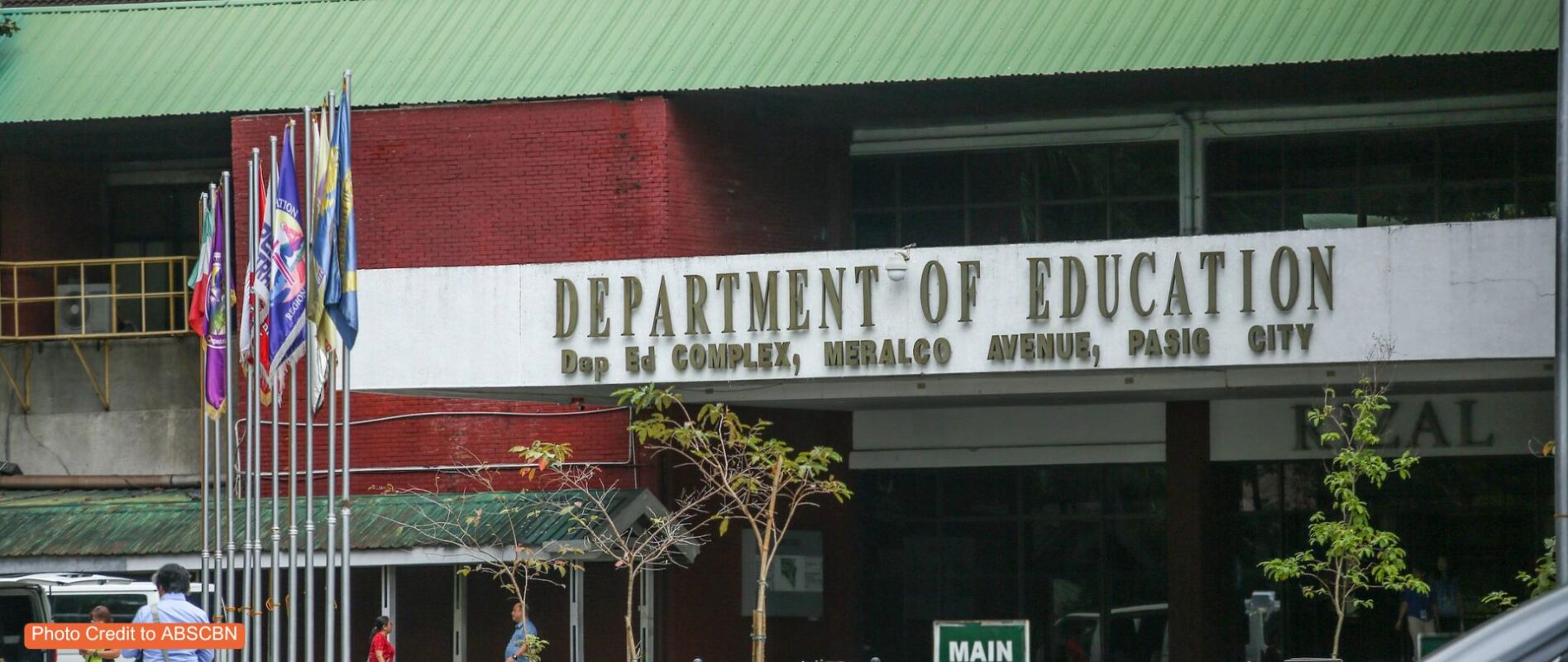
HOUSE ADVANCES EDUCATION-FOCUSED REFORMS AS LEDAC BILLS MOVE THROUGH 20TH CONGRESS
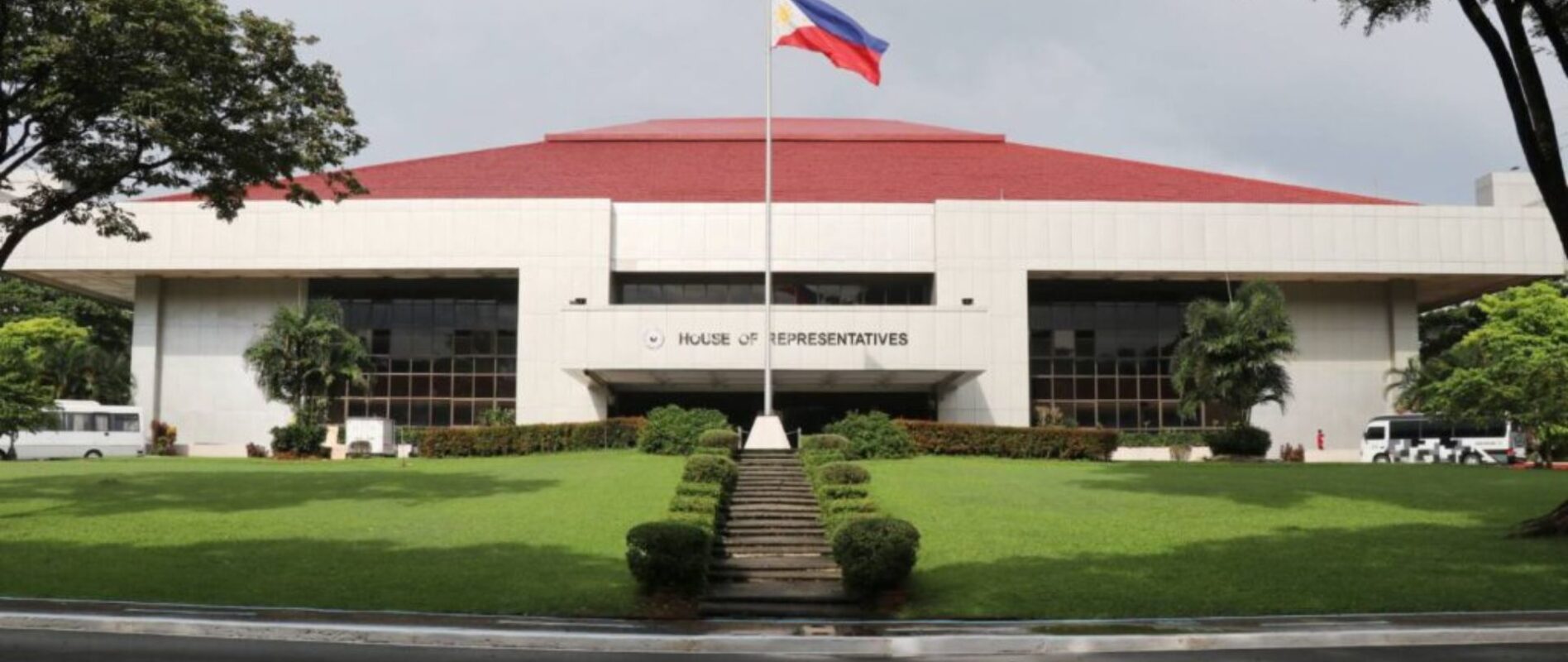
EDUCATION-RELATED reforms are among the key measures advancing in the House of Representatives as lawmakers step up work on priority bills endorsed by the Legislative-Executive Development Advisory Council (LEDAC) during the first regular session of the 20th Congress.
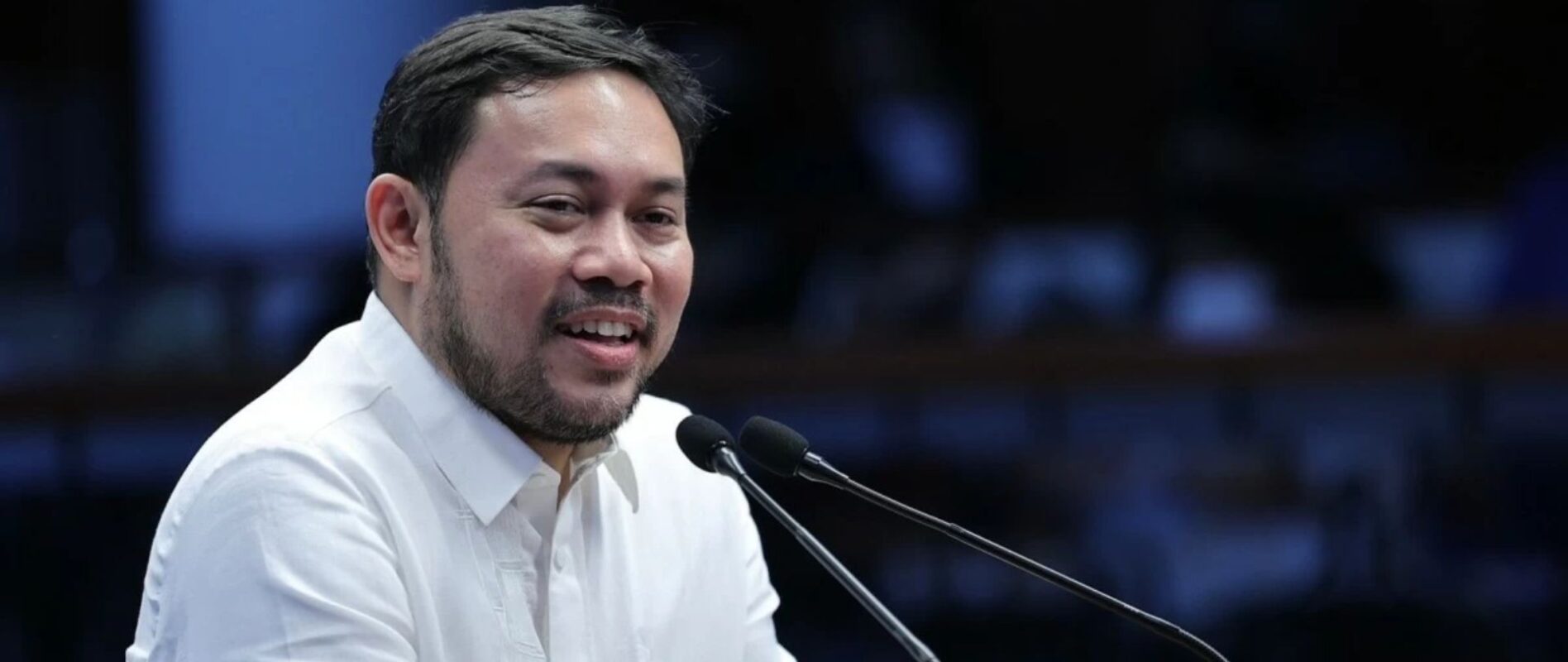
House Majority Leader Sandro Marcos reported that 7,030 bills and 645 resolutions were filed over 22 session days, with 86 measures already approved, including 12 LEDAC-endorsed bills.
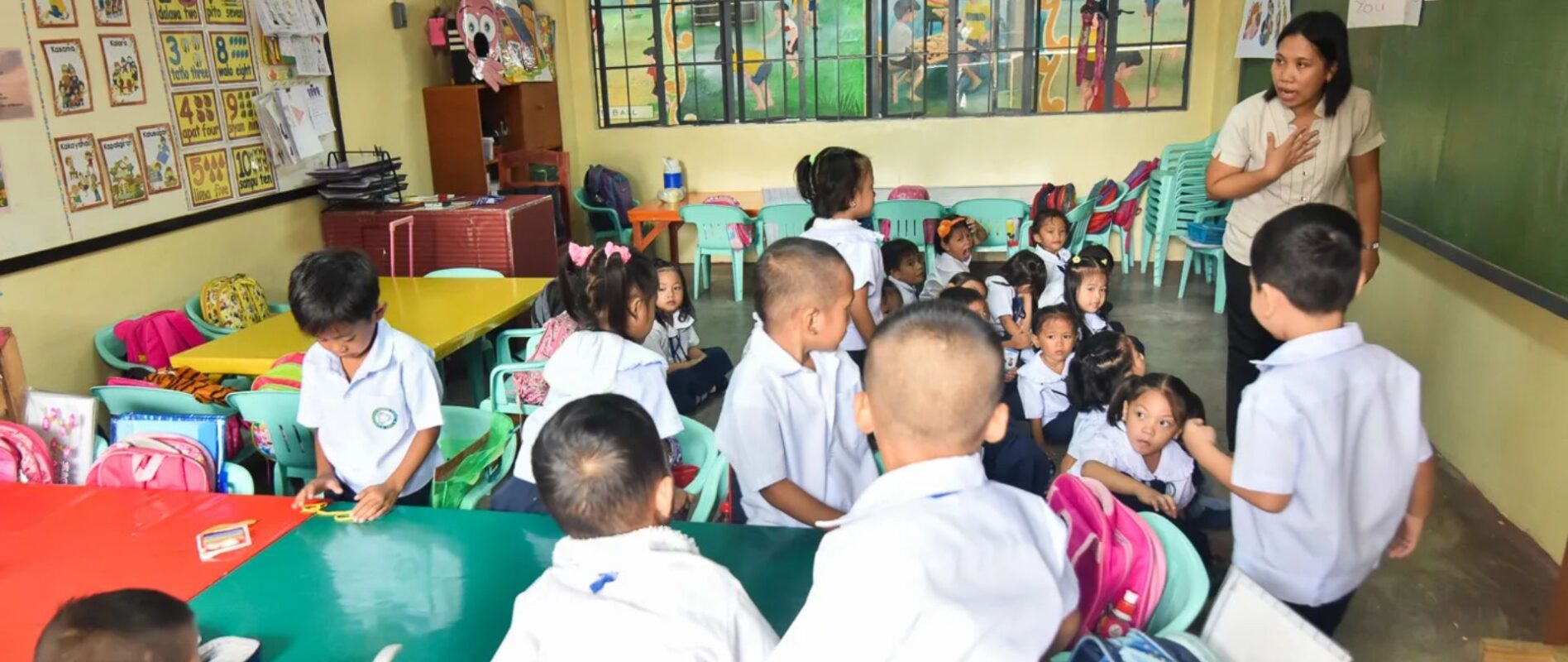
Several of these measures directly affect the education sector, teachers, and students, reflecting the chamber’s push to strengthen learning outcomes and expand access to education.
Among the LEDAC measures that have passed third and final reading are amendments to the Government Assistance to Students and Teachers in Private Education (GASTPE) Act, aimed at improving support for learners and educators in private schools, and amendments to the Teachers Professionalization Act, which seek to enhance standards, welfare, and professional development for teachers.
Other education-related reforms are progressing through various stages of the legislative process.
Marcos said proposed amendments to the Universal Access to Quality Tertiary Education Act—intended to further expand and refine free college education and student assistance programs—have cleared their main committees and are awaiting review by the Appropriations and Ways and Means panels.
Also advancing is the proposed Presidential Merit Scholarship Program, designed to support academically outstanding but financially challenged students.
Meanwhile, measures with significant implications for basic education are undergoing committee and technical working group deliberations.
These include proposed amendments to the Local Government Code on the Special Education Fund, which could affect funding for school facilities and programs, and the Classroom-Building Acceleration Program, aimed at addressing the persistent nationwide classroom shortage.
The House has also passed the PHP6.793-trillion 2026 General Appropriations Act, which Marcos said underpins the government’s education agenda by ensuring funding for priority programs and reforms.
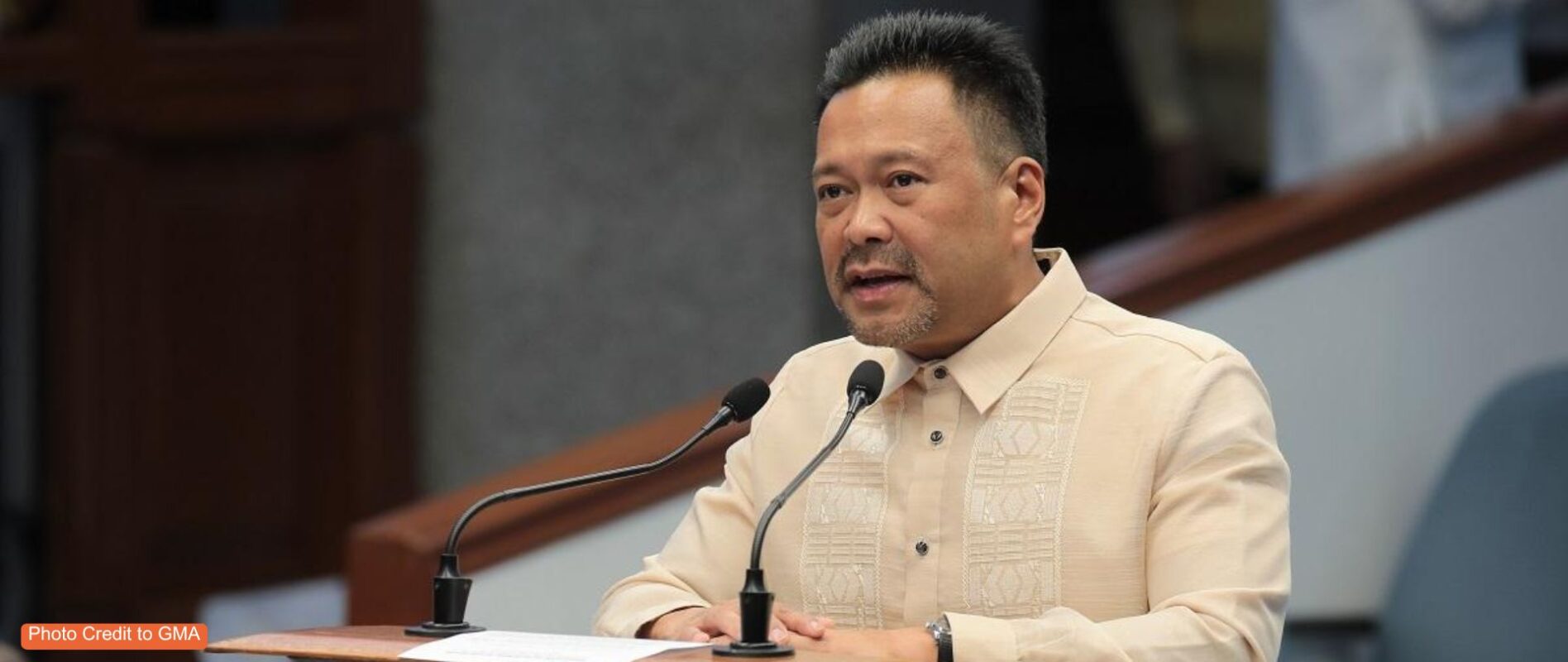
“Under the leadership of Speaker Bojie Dy, we wanted the first months of the 20th Congress to send a clear signal that the House is serious about delivering on the LEDAC,” Marcos said, noting that education—alongside social protection and health—remains a top priority.
As Congress resumes session on January 26, Marcos said the House will focus on moving education and other social development measures from the committee level to the plenary.
“These are the same bills that touch classrooms, teachers, students, and communities,” he said, underscoring the administration’s goal of aligning legislative action with the needs of the education sector and the broader public.