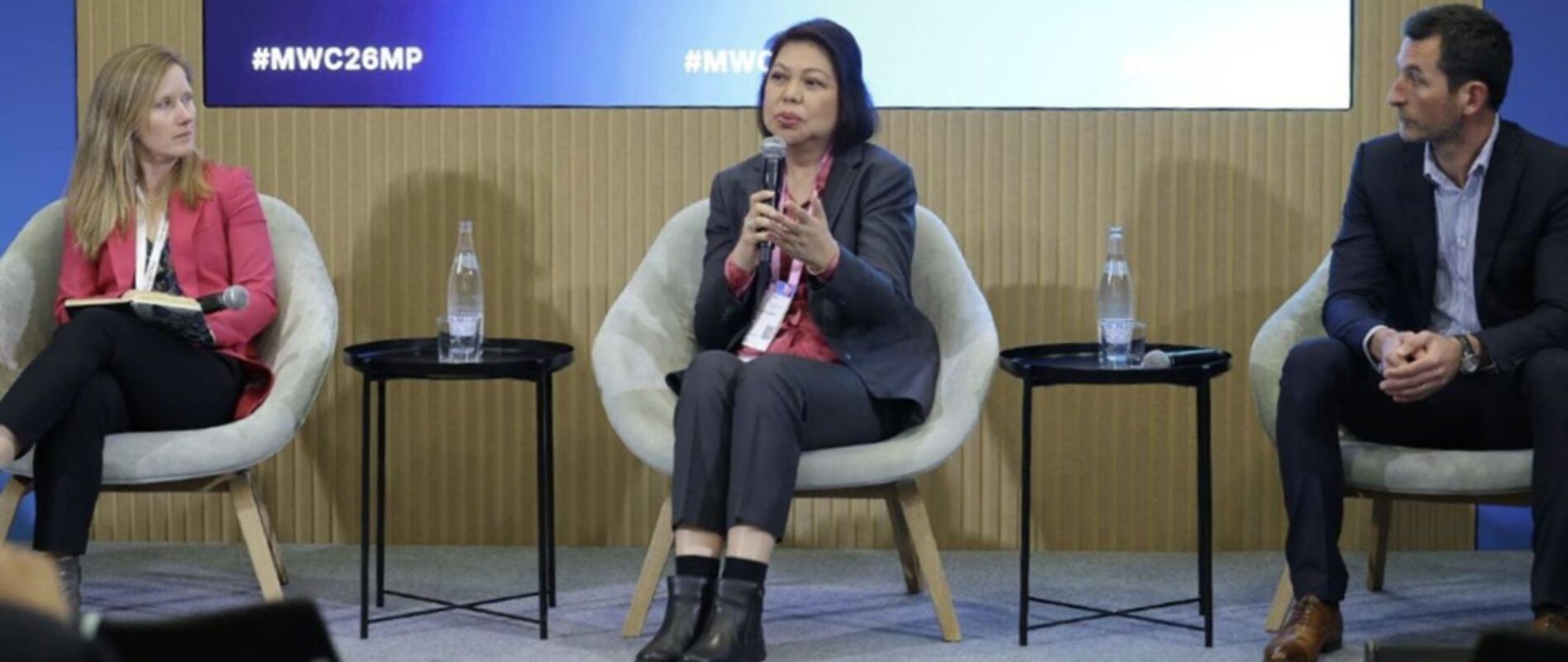
GOV’T STEPS UP REFORMS TO ADDRESS K-12 GAPS, BOOST SHS EMPLOYABILITY
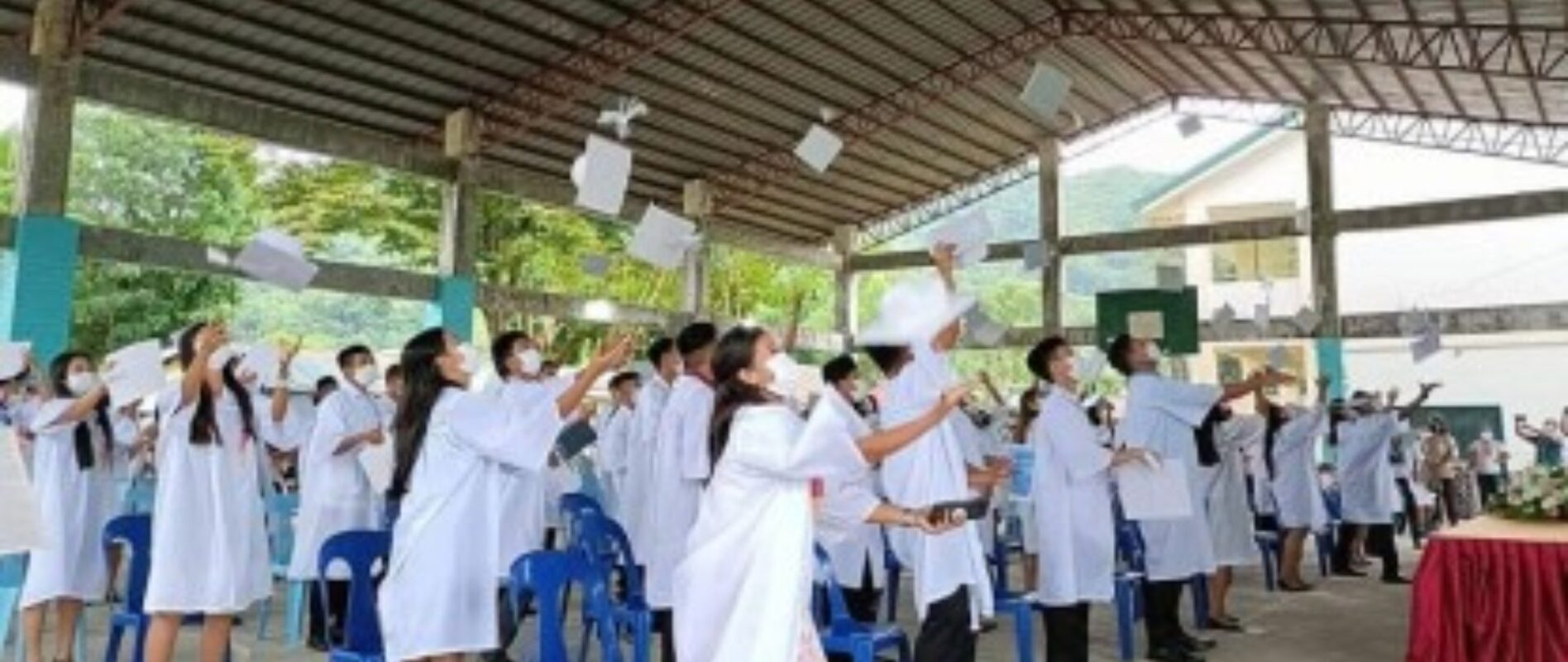
EDUCATION officials said Tuesday the government is intensifying efforts to address long-standing concerns on the K to 12 program, particularly on the employability and readiness of senior high school (SHS) graduates.
In a Palace press briefing, Technical Education and Skills Development Authority (TESDA) Secretary Jose Francisco Benitez said one of the key issues identified was whether SHS graduates are employable.
Benitez said TESDA has focused on ensuring SHS graduates are job-ready through free assessments and certification, noting that funds were allocated for the free assessment of SHS students, allowing them to obtain National Certificates (NC) II and III.
He said TESDA, with funding support from the President and Congress, rolled out free competency assessments for SHS students in 2025, an initiative that will continue in 2026.
“We have reached almost 190,000 senior high school students who were properly assessed and certified as employable with National Certificates (NC) II and NC III in accordance with the courses that they would have taken in senior high school,” Benitez said, adding that the program ensures graduates who undergo assessment are job-ready.
Commission on Higher Education (CHED) Chairperson Shirley Agrupis said the K to 12 program has been a priority agenda of the education sector’s first joint Management Committee meeting involving the Department of Education (DepEd), TESDA, and CHED, marking the first time the three agencies formally aligned their policies.
Agrupis said a major challenge lies in ensuring the readiness of incoming freshmen for their chosen college courses.
“Ang challenge namin dito sa K to 12 is iyong readiness ng estudyante na pupunta sa pinili niyang kurso. So, ang immediate na ginagawa namin is may bridging program (The challenge here in K to 12 is the readiness of students to enter the course they have chosen. So, what we are doing immediately is implementing a bridging program),” she said.
Agrupis said CHED is also pushing for a standardized entrance assessment to better guide students into appropriate higher education pathways, while harmonizing evaluation standards with TESDA to reduce skills mismatch in the workforce.
Education Secretary Sonny Angara said DepEd has already revised the SHS curriculum to respond to criticisms that it was overly congested.
“Dahil ‘yung criticism masyadong cluttered, 33 subject, ginawa na lang natin five required subject, tapos iyong rest parang electives na noong bata (Because the criticism was that 33 subjects were too cluttered, we streamlined it to five core subjects, and the rest became more like electives for the students),” Angara said.
He added that the revised curriculum allows learners to combine academic and technical-vocational subjects, a shift aimed at preparing students for a rapidly changing labor market, including the impact of artificial intelligence.
Angara added that industry linkages have been strengthened by increasing required job immersion hours from a maximum of 300 hours to 640 hours, equivalent to nearly one academic semester.
Benitez said TESDA and CHED are further aligning training standards and curricula to support seamless pathways between technical-vocational education and higher education, allowing students multiple entry and exit points within the formal education system.
Meanwhile, Angara noted that under the fully funded Academic Recovery and Accessible Learning (ARAL) program, about 448,000 tutors will be hired nationwide in 2025, supported by an increased budget.
The program is expected to benefit about 6.7 million learners this year, more than double last year’s 3 million beneficiaries.
Angara said DepEd was also able to save more than PHP200 million after uncovering and removing “ghost students” from enrollment records, following a system review under his leadership.
The three education officials said the ongoing reforms aim to ensure that the K to 12 program fulfills its original promise of producing graduates who are both academically prepared and employable. (PNA)