EDCOM 2 SUBMITS LANDMARK EDUCATION REFORM REPORT TO BANGSAMORO PARLIAMENT
THE SECOND Congressional Commission on Education (EDCOM 2) formally submitted its Year 3 Final Report to the Bangsamoro Parliament, highlighting urgent reforms and opportunities to improve education outcomes in the Bangsamoro Autonomous Region in Muslim Mindanao (BARMM).
The ceremonial turnover took place during the 4th Meeting of the Philippine Congress–Bangsamoro Parliament Forum, where EDCOM 2 presented its comprehensive findings in a report titled “Turning Point: A Decade of Necessary Reform (2026–2035).”
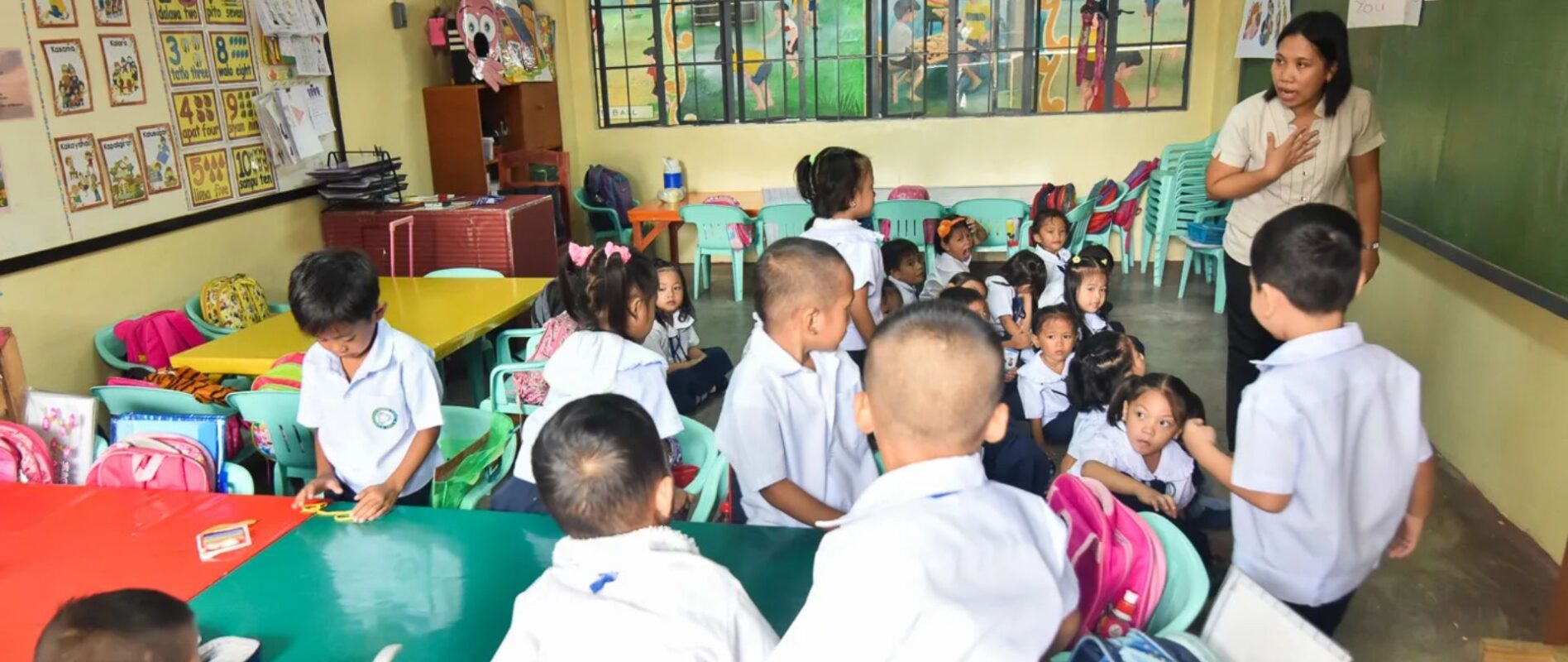
The report reveals persistent challenges in BARMM, including high rates of childhood stunting (34.3%), anemia (16.9%), and food insecurity (48.2%), all of which contribute to poor learning outcomes. Functional literacy in the region stands at just 64.7%, with nearly half of early-grade learners classified as struggling readers.
EDCOM 2 Executive Director Karol Mark Yee emphasized that pandemic-related learning loss has further worsened these conditions, leaving students reportedly three to four years behind expected curriculum levels. He stressed the need to expand early childhood interventions, particularly the First 1,000 Days program, and to prioritize reading proficiency by Grade 3.
Despite these challenges, the commission highlighted a “bright spot” in mathematics, noting that Grade 3 learners in BARMM performed above the national average in several competencies—evidence, Yee said, of the region’s untapped potential.
Co-Chair Jude Acidre underscored that the turnover signals a long-term commitment rather than the conclusion of a study. “This report is not the end—it is the beginning of accountability,” he said, stressing the need for institutional collaboration beyond individual leadership.
Fellow Co-Chair Loren Legarda echoed the call for stronger partnerships, describing the forum as a platform for coordination and shared problem-solving to ensure reforms translate into improved outcomes on the ground.
To address systemic gaps, EDCOM 2 recommended key policy actions, including:
- The creation of a Bangsamoro Teacher Education and Development Reform Code
- Rollout of a 10-year roadmap for early childhood care under the ECCD System Act
- Stronger coordination between national agencies and the regional education ministry
Bangsamoro officials welcomed the findings. Mohagher Iqbal, head of the Ministry of Basic, Higher, and Technical Education, acknowledged the urgency of reforms and pledged to recalibrate programs to prioritize early childhood development, school infrastructure, and reading interventions.
In response, lawmakers approved the creation of a dedicated Technical Working Group (TWG) for Education within the forum. Proposed by Ziaur-Rahman Alonto Adiong, the TWG will serve as a regular platform to align policies and programs between national agencies—such as the Department of Education, Commission on Higher Education, and Professional Regulation Commission—and the Bangsamoro government.
The TWG is expected to address coordination gaps, clarify institutional roles, align funding mechanisms, and streamline teacher accreditation and licensure processes in the region.
“We are at a turning point in Philippine education,” Yee said.
“We must confront these challenges with resolve and unity—because every child can succeed when communities work together.”