AQUINO SHOWCASES KEY EDUCATION REFORMS, GAINS IN 10-MONTH REPORT

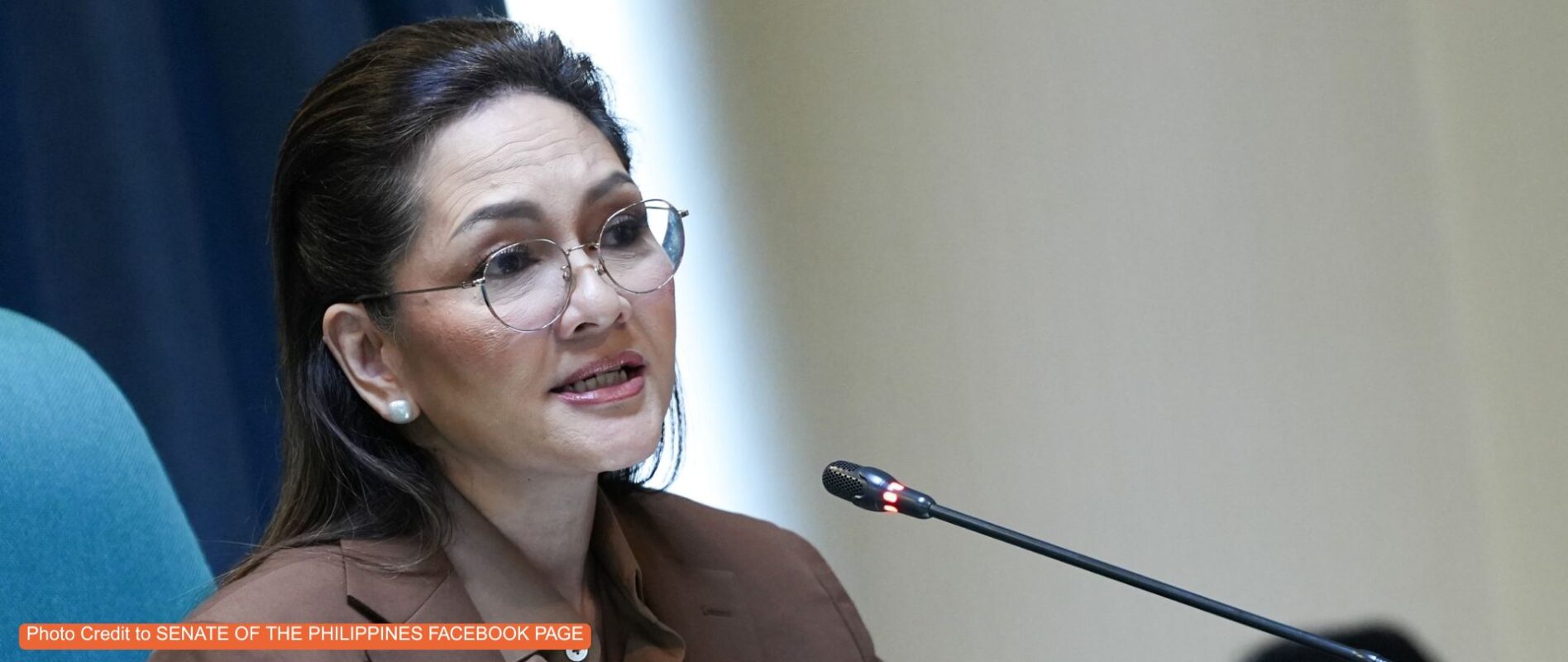
SENATOR Bam Aquino highlighted key reforms, programs, and gains aimed at improving the country’s education system in a progress report covering his 10-month stint as chairperson of the Senate Committee on Basic Education.
Aquino released the report following a recent Senate leadership change that saw him lose his committee chairmanship and move to the minority.
“Sa loob ng 10 buwan, ginawa po natin ang ating mandato, tinupad ang mga pangako, at nagtrabaho para sa inyo. Sinulit po natin ang bawat araw na ibinigay sa akin upang maipasa ang mga kailangang repormang tumutugon sa ating education crisis,” he said in a Facebook video.
At the start of his term, Aquino laid out a seven-point agenda focused on urgent education concerns, including student nutrition, classroom shortages, access to textbooks and connectivity, teacher support, learning gaps, and employability.
Among the major initiatives during his chairmanship was the establishment of the 10-year National Education and Workforce Development Plan (NatPlan) 2026–2035, designed to address long-standing challenges in the sector.
The plan responds to alarming data from the Comprehensive Rapid Literacy Assessment, which showed that 48.76 percent of learners were not reading at grade level by Grade 3 in school year 2024–2025. Proficiency rates further declined from 30.5 percent in Grade 3 to just 0.40 percent by Grade 12.
It also seeks to tackle child stunting—affecting 23.6 percent of young learners—and the country’s 166,000-classroom backlog.
Aquino also cited securing the historic P1.34-trillion education allocation under the 2026 national budget—the largest in the country’s history—as a key achievement.
The budget includes P67.9 billion for the construction of 25,000 classrooms; P37 billion for the implementation of the Free College Law, including expanded Tertiary Education Subsidy; and P25.7 billion for the expanded School-Based Feeding Program.
“Ipinakita po natin na kapag sineryoso, may sense of urgency, at kapag sinasantabi ang mga away pulitika, masosolusyonan ang krisis sa education,” Aquino said.
Despite these gains, he acknowledged that significant work remains, including reforms to the K to 12 program, strengthening school-to-employment pathways, and advancing the proposed School Safety Act.
“Ang pangako ko po, kahit hindi na tayo chairman ng Committee on Education, tuloy pa rin ang trabaho at tuloy pa rin ang pag-alaga sa kinabukasan ng ating susunod na henerasyon. Dahil ang laban para sa edukasyon hindi natatapos sa isang posisyon lang,” he added.
In a separate post, Aquino said two of his sponsored measures—the proposed Geographically Isolated and Disadvantaged Areas and Last Mile Schools Act, and the Curriculum Flexibility Act—are now awaiting the President’s signature.
He also led the passage on third and final reading of the Class-Building Acceleration Program Act and the Basic Education Voucher Program Act, and was set to sponsor the National Nutrition Program Act.
In total, Aquino filed 12 education-related bills, authored and co-authored 22 measures, and sponsored or co-sponsored nine others. He also conducted numerous hearings, meetings, and consultations as co-chairperson of EDCOM II.