SENATOR URGES RELIEF FOR TEACHERS, ACTION ON STEM SHORTAGE
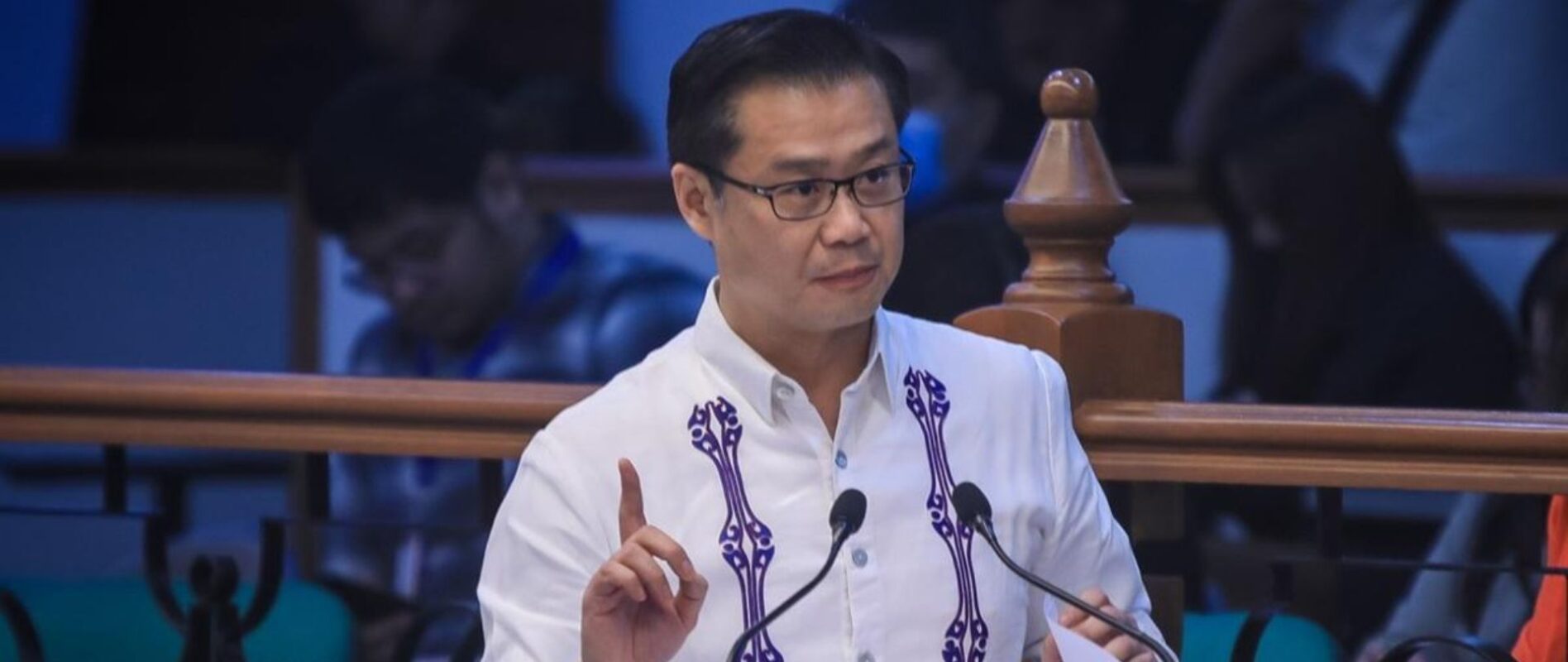
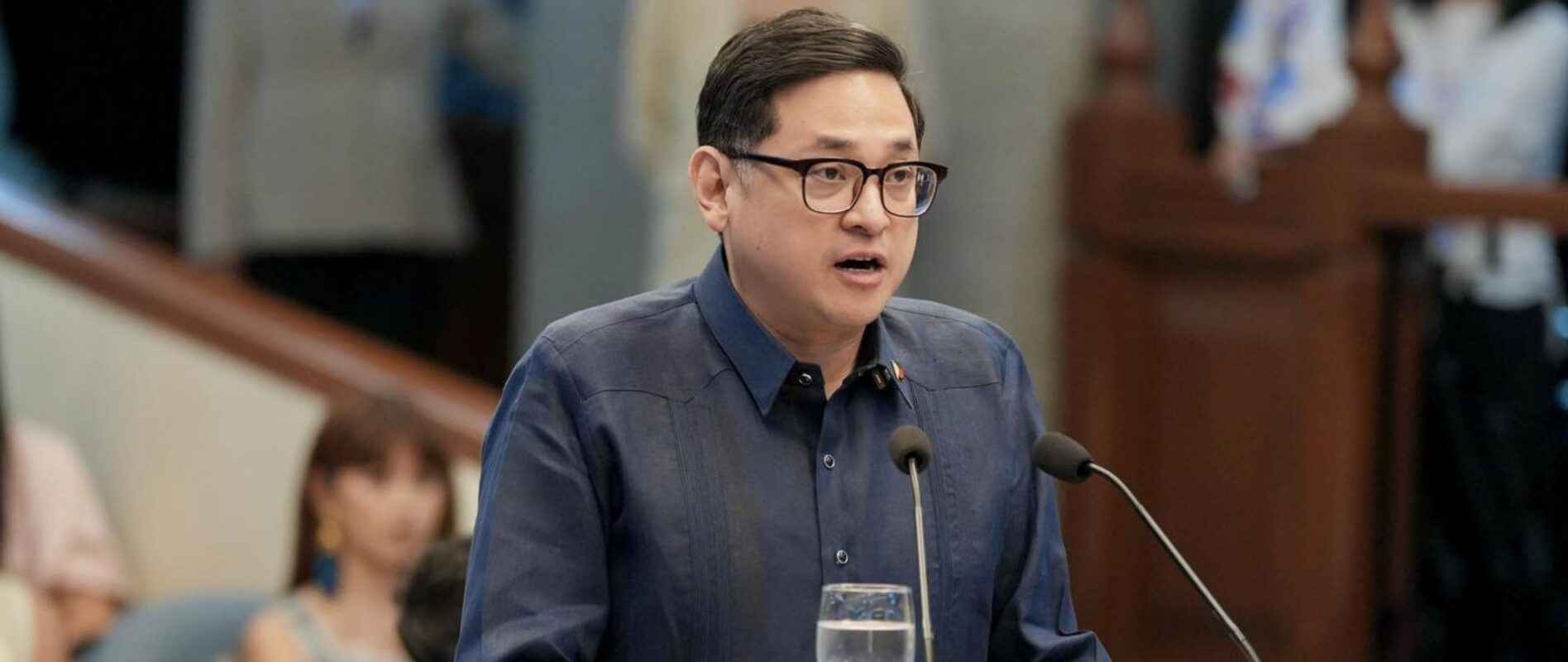
SENATOR Sherwin Gatchalian has called for urgent measures to ease teachers’ workload and address critical gaps in science and mathematics education, citing troubling data on teacher training in the Philippines.
Gatchalian referenced findings from the Teacher Education Council showing that only about 2 percent of Filipino teachers—35 out of 1,500 assessed—met the standards for centers of excellence. He attributed this to heavy workloads and limited access to professional development.
“Believe it or not, one of the basic complaints of our teachers, aside from salary, is that they are overworked,” Gatchalian said.
While teachers are required to teach six hours a day, many exceed this and take on additional non-teaching duties, including student health monitoring, extracurricular supervision, and administrative work. These responsibilities reduce time for lesson preparation and training.
To address this, Gatchalian said the proposed 2026 national budget includes funding to hire 20,000 administrative personnel for deployment across the country’s roughly 47,000 schools.
“This is a big step to unburden our teachers with non-teaching responsibilities,” he said, while noting that further support is needed.
The senator also raised concerns about a mismatch between teachers’ academic specializations and the subjects they handle. He noted that around 62 percent of high school teachers are teaching subjects outside their field of expertise—an issue he warned is especially damaging in science, technology, engineering, and mathematics (STEM).
“We are very weak in STEM, and STEM is the building block of innovation,” Gatchalian said, pointing out that countries like Singapore and Malaysia have prioritized these fields to drive technological growth.
Due to the shortage of qualified STEM educators, some schools assign teachers from unrelated disciplines—such as English or social studies—to teach subjects like physics or biology, affecting the quality of instruction and student outcomes.
To help close the gap, the Teacher Education Council is encouraging educators to specialize in high-demand areas, particularly STEM, although Gatchalian acknowledged that addressing the shortage will take time.