SENATOR BACKS AMENDMENTS TO STRENGTHEN FREE COLLEGE LAW
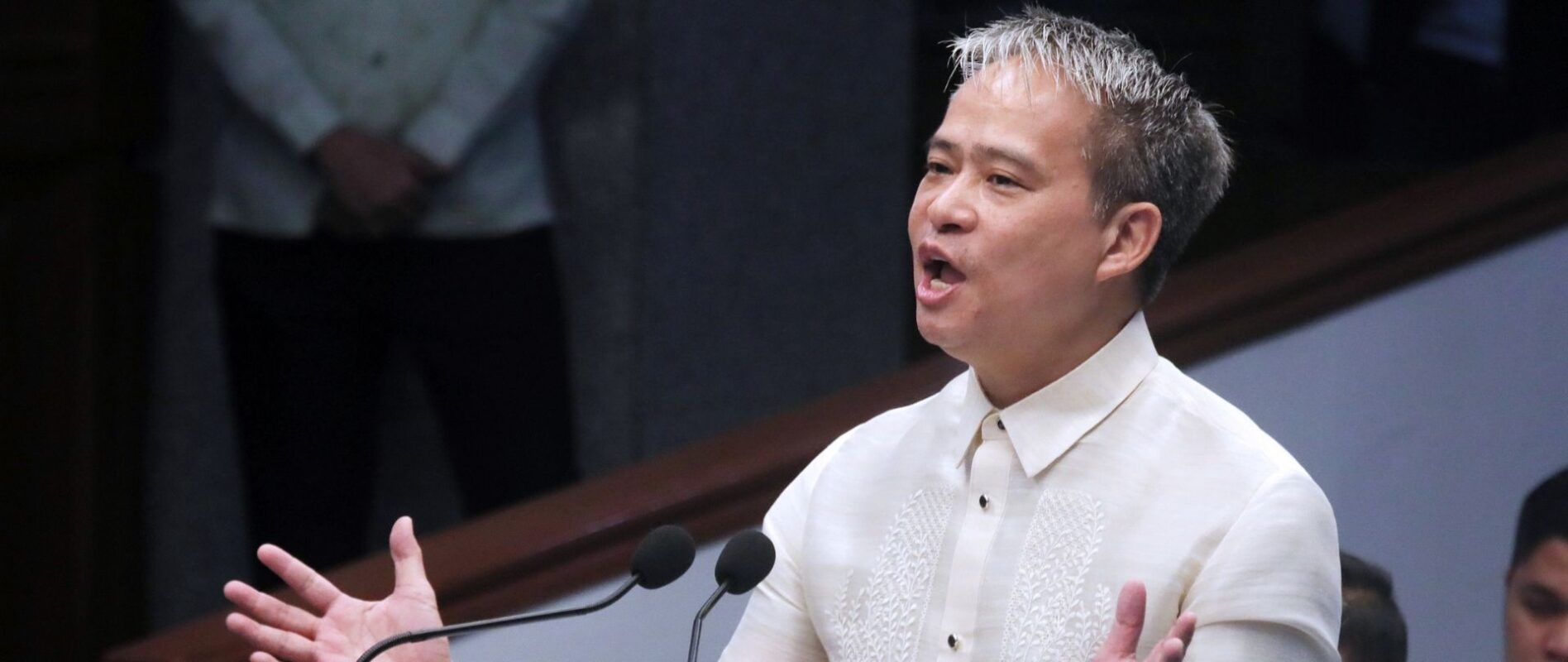
SENATOR Joel Villanueva underscored the need for reforms to ensure truly universal and meaningful access to higher education.
He noted that nearly a decade has passed since the implementation of the Free College Tuition Act, marking significant progress in expanding access to tertiary education.
“Malayo na po ang ating narating. But we must also admit — malayo pa ang ating tatahakin,” Villanueva said, stressing that more work is needed to make higher education genuinely accessible to all.
Citing data from the Philippine Statistics Authority, he pointed out that as of 2024, nearly 11 million Filipino children and youth are classified as out-of-school. Of these, 68.5% belong to the 20–24 age group, while 15.6% are aged 15–19 — demographics that should largely be pursuing tertiary education.
“These findings serve as a pressing call to review and strengthen existing education policies to ensure that every student has equitable access to learning opportunities and that no one is left behind,” he said.
Villanueva emphasized that access to education goes beyond tuition-free enrollment.
“It is about completion. It is about persistence,” he said, adding that economic hardship, geographic barriers, and systemic gaps continue to push students out of school.
The proposed amendments aim to strengthen the law by ensuring that free education is not merely nominal but fully accessible to disadvantaged learners. Key provisions include:
Expanding school fee coverage to include essential instructional, laboratory, and clinical internship expenses.
Institutionalizing equity and inclusion policies in admissions.
Enhancing the Tertiary Education Subsidy to cover out-of-pocket costs such as books, transportation, lodging, and licensure requirements.
Mandating periodic adjustment of subsidies to keep pace with rising education costs.
Villanueva described education as the nation’s “greatest equalizer” but stressed that it must be accessible, sustainable, and responsive to students’ realities to fulfill that role. He urged colleagues to support the immediate passage of the measure.