STRATEGIC VOUCHER EXPANSION CAN EASE CONGESTION IN PUBLIC SCHOOLS, EDCOM II SAYS
THE SECOND Congressional Commission on Education (EDCOM II) said a more strategic expansion of the government’s education voucher program could significantly reduce congestion in public schools operating on double or even triple shifts.
During a joint public hearing of the Senate Committee on Basic Education, EDCOM II presented key proposed amendments to the voucher bill, stressing that the program should be guided by data-driven strategies to effectively decongest overcrowded public schools.
EDCOM II Executive Director Dr. Karol Mark Yee shared results from an analysis conducted with the Education Center for AI Research, which used Department of Education data to map student congestion in public schools against available capacity in private schools.
The analysis revealed that in the most congested regions—the National Capital Region, Central Luzon, and Calabarzon—there are about 536,000 learners enrolled in public schools, while private elementary schools in these areas have around 136,573 available seats.
“Based on ECAIR findings, if all private schools are considered, up to 22.5 percent of students could be accommodated,” Yee said.
However, he noted that this figure drops to just 9.4 percent if eligibility is limited to private schools currently participating in the Education Service Contracting program, highlighting the need for a more nuanced and flexible voucher design.
Yee emphasized that voucher expansion should not be treated as a stand-alone solution but should complement the Department of Education’s ongoing efforts in classroom construction, repair, and leasing.
He said the data indicate that vouchers can provide immediate relief in highly congested areas, particularly in schools operating on double, triple, or multiple shifts.
He also urged DepEd to conduct a detailed mapping of overcrowded public schools and nearby private schools, factoring in travel time for students.
“This approach will help identify isolated public schools or areas where students would need to travel more than an hour to reach alternative schools,” Yee explained.
“This exercise will enable DepEd to determine where it is most urgent to prioritize construction and ensure that there are no overlaps in interventions,” he added.
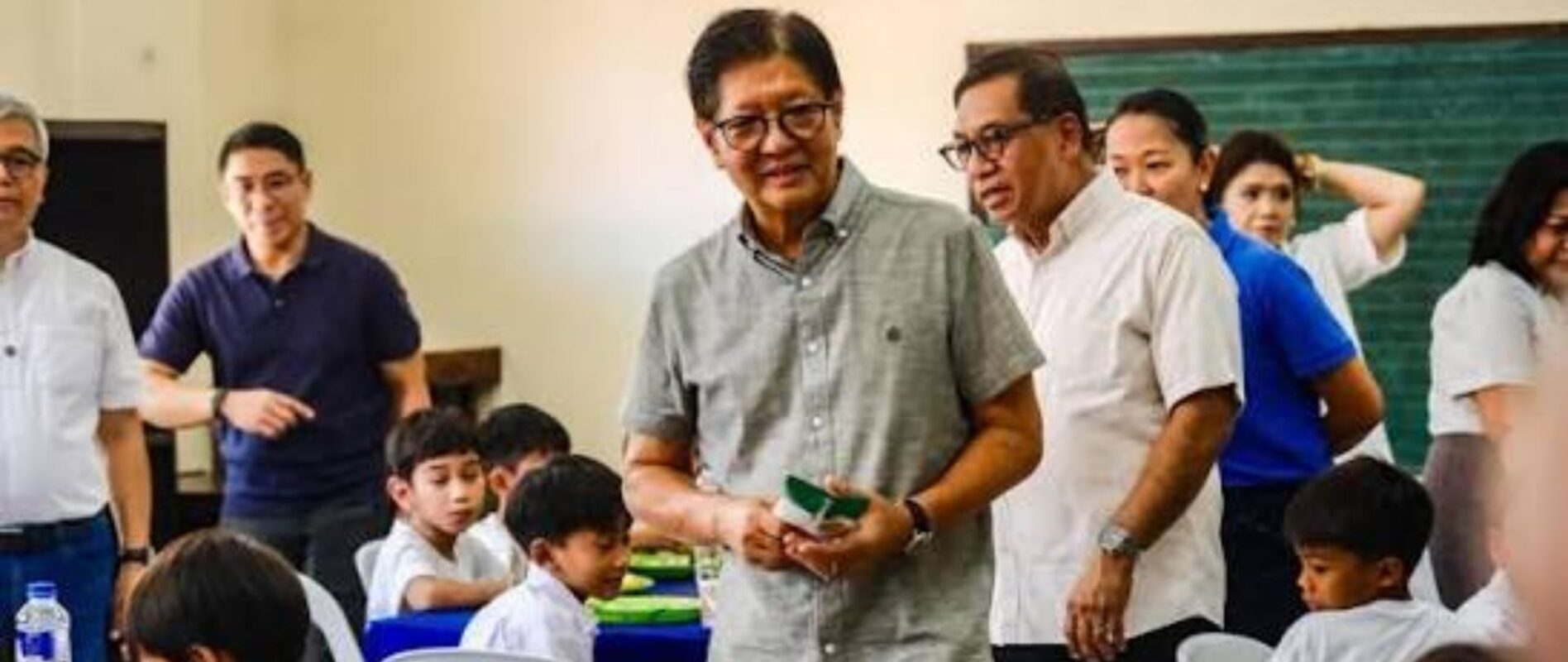
Senate Committee on Basic Education Chairperson Senator Bam Aquino welcomed EDCOM II’s recommendations, noting that the voucher program is a critical tool for decongestion but must be integrated with broader education reforms.
“We have to look at all the different methodologies for decongestion together as one program, and hopefully that will make this program more strategic down the line,” Aquino said.
Aquino, who also serves as EDCOM II co-chair, backed the recommendation to consider travel time as a key factor in selecting participating private schools. He said distance and travel duration to congested public schools should be included as criteria to ensure the program benefits learners who need it most.