DEPED EXPANDS MENTAL HEALTH SERVICES TO SUPPORT STUDENTS
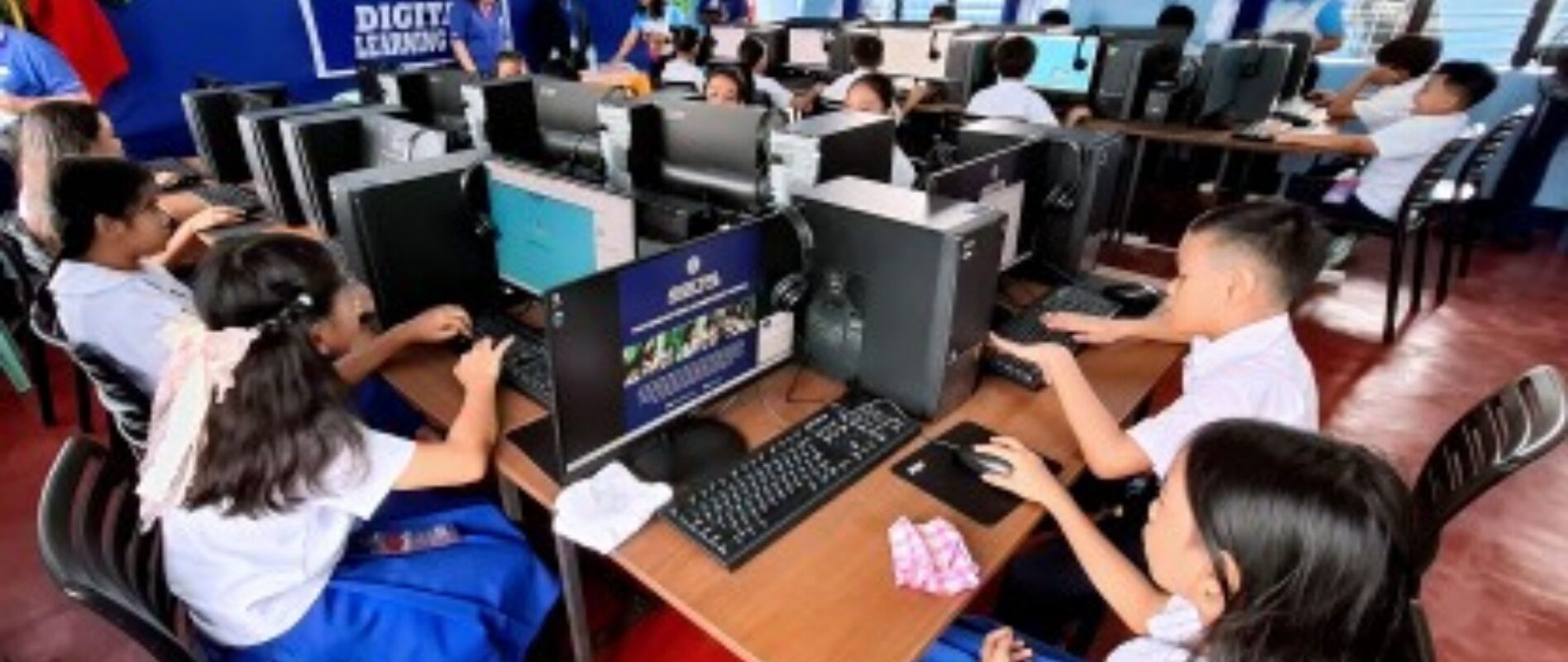
TO STRENGTHEN learner well-being in public schools, the Department of Education is expanding school-based mental health and anti-bullying support by formally involving parents, guardians, and caregivers as partners in learner protection.
Under DepEd Memorandum No. 002, s. 2026, the Kaagapay program enlists parents and guardians as co-educators who reinforce values formation, positive discipline, and learner well-being at home—directly supporting classroom instruction and school-based guidance programs.
Education Secretary Sonny Angara said the initiative strengthens the support system around learners by actively involving families.
“Bilang magulang din, alam natin kung gaano kabigat na responsibilidad ang pag-aalaga at paggabay sa bata. Kaya kapag magkakasama ang pamilya at paaralan sa paghubog ng asal at pag-unawa sa pinagdadaanan ng anak, mas napapangalagaan ang learners at mas gumagaan ang trabaho ng mga guro,” Angara said.
With a nationwide allocation of P100 million, Kaagapay is implemented through parent engagement sessions and advocacy campaigns designed to translate school policies into practical, everyday actions at home.
According to DepEd, the sessions use participatory and experiential methods such as sharing best practices, guided reflection, and action planning. These approaches help parents better understand learner behavior, socio-emotional needs, and early signs of bullying or distress.
The sessions guide parents in situating their role within DepEd’s curriculum and learner development priorities before moving on to discussions on socio-emotional support, values formation, positive discipline, bullying awareness, and home–school–community partnership.
To ensure wider participation, schools may conduct sessions face-to-face, modular, or asynchronously, accommodating parents’ schedules, backgrounds, and circumstances.
The program is open to all parents and caregivers of learners in public elementary and secondary schools, ensuring representation across different family structures and socioeconomic backgrounds.