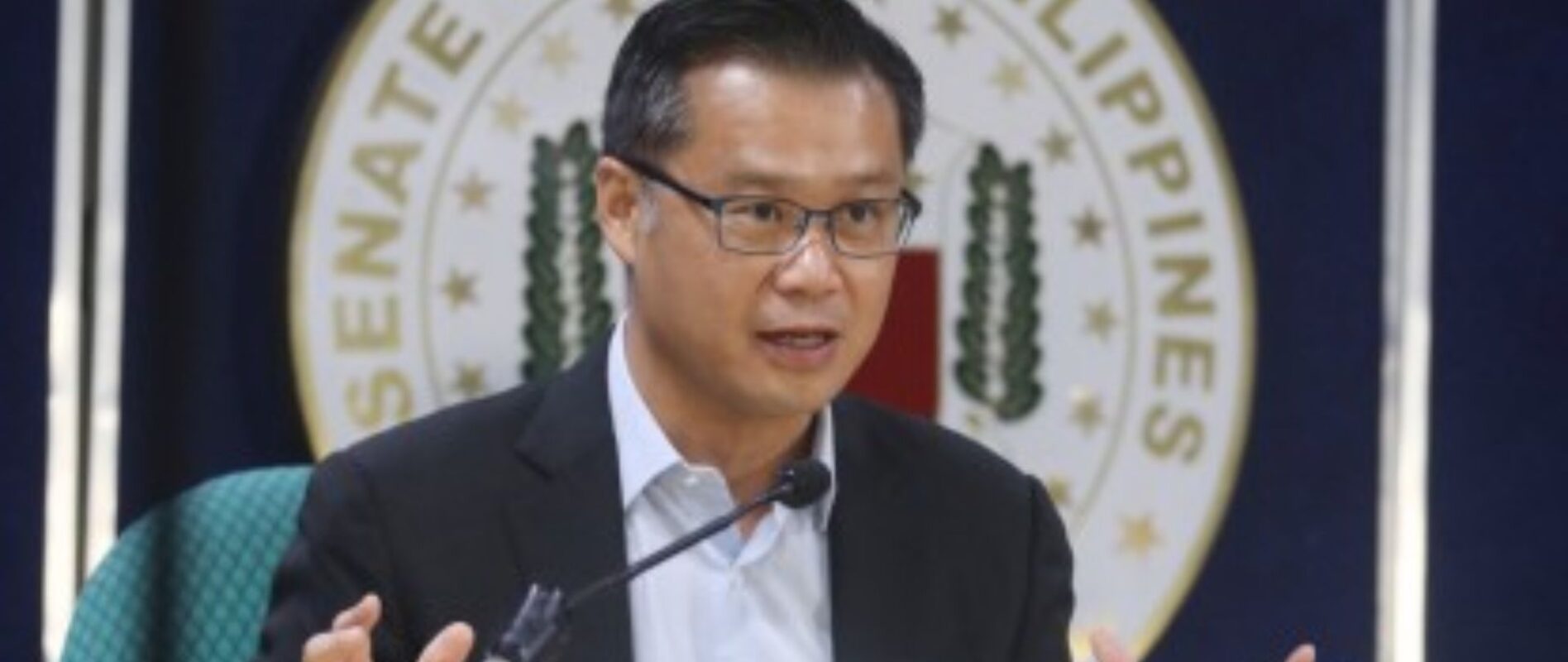
SENATOR STRESSES NEED TO CONFRONT K TO 12 PROBLEM

SENATE Minority Leader Alan Peter Cayetano said the country must first confront the problem of the K to 12 system before attempting to solve the classroom shortage, warning that building more classrooms alone will not fix the education crisis rooted in chronic underfunding.
During deliberations on Senate Bill No. 1482, or the Classroom Acceleration Program Act, Cayetano said the government has long delayed making a clear decision on K to 12 despite years of warnings and available data.
“There are three approaches: go back to K to 10 or go back to K to 11; second, create reforms; and third, fully fund K to 12,” he said.
Cayetano traced the problem to the country’s shift to K to 12, saying the expansion of grade levels was not matched by adequate funding for classrooms, teachers, and facilities.
He cited findings showing a wide gap between what the country claims to deliver and what students actually receive, particularly since many public schools implement shifting schedules to accommodate students.
“We’re telling the world, ‘trust Philippine education’ because we have 13 years of education, but in actuality, it’s only 7.5 years,” he said.
Cayetano said the shortage is most visible in highly urbanized areas where schools operate on two to three shifts, cutting class time to about four hours a day.
“Obviously, doon sa mga one-shift ang klase, walang problema sa classroom. Pero doon sa two or three shifts, na four hours na lang sila sa isang araw, may problema na tayo,” the senator said.
While acknowledging that the proposed Classroom Acceleration Program Act would help address shortages, Cayetano warned that it still avoids the core issue.
“This is better than doing nothing. Pero habang ’di natin ito dinidesisyunan, it’s like a dike. Nagdadagdag lang tayo ng daliri para takpan ’yung butas,” he said.
Cayetano stressed that even with increased funding, results will take years to be felt, while students continue to lose valuable learning time.
He also warned that passing partial reforms without resolving the K to 12 issue could raise expectations the system cannot meet.
“The problem is extraordinary. If we don’t give an extraordinary solution, this law will do good, but it can also give false hope,” he said.